Toward Each Other: Europe Looks East, Russia Looks West
For the past four years, Europe has been acquiring an eastern wall. A wall, precisely: a border is something you cross; a wall is something you stand at. Everything that lay beyond it fell out of the European agenda. Gas, rails, academic exchanges, correspondent accounts — link after link was cut, and each time this was called “hygiene”.
The Hour of the Hawks
Washington has once again chosen pressure over talks. On 18 September, President Trump signed a law named in honour of the late Senator Lindsey Graham. The press has already dubbed it the “sanctions from hell.” The law provides for tariffs of up to 100% against the largest buyers of Russian energy and of up to 500% on Russian goods. The sanctions extend to banks, defence and energy companies, the “shadow fleet” and almost the entire Russian leadership.
Putin Sends Europe a Signal
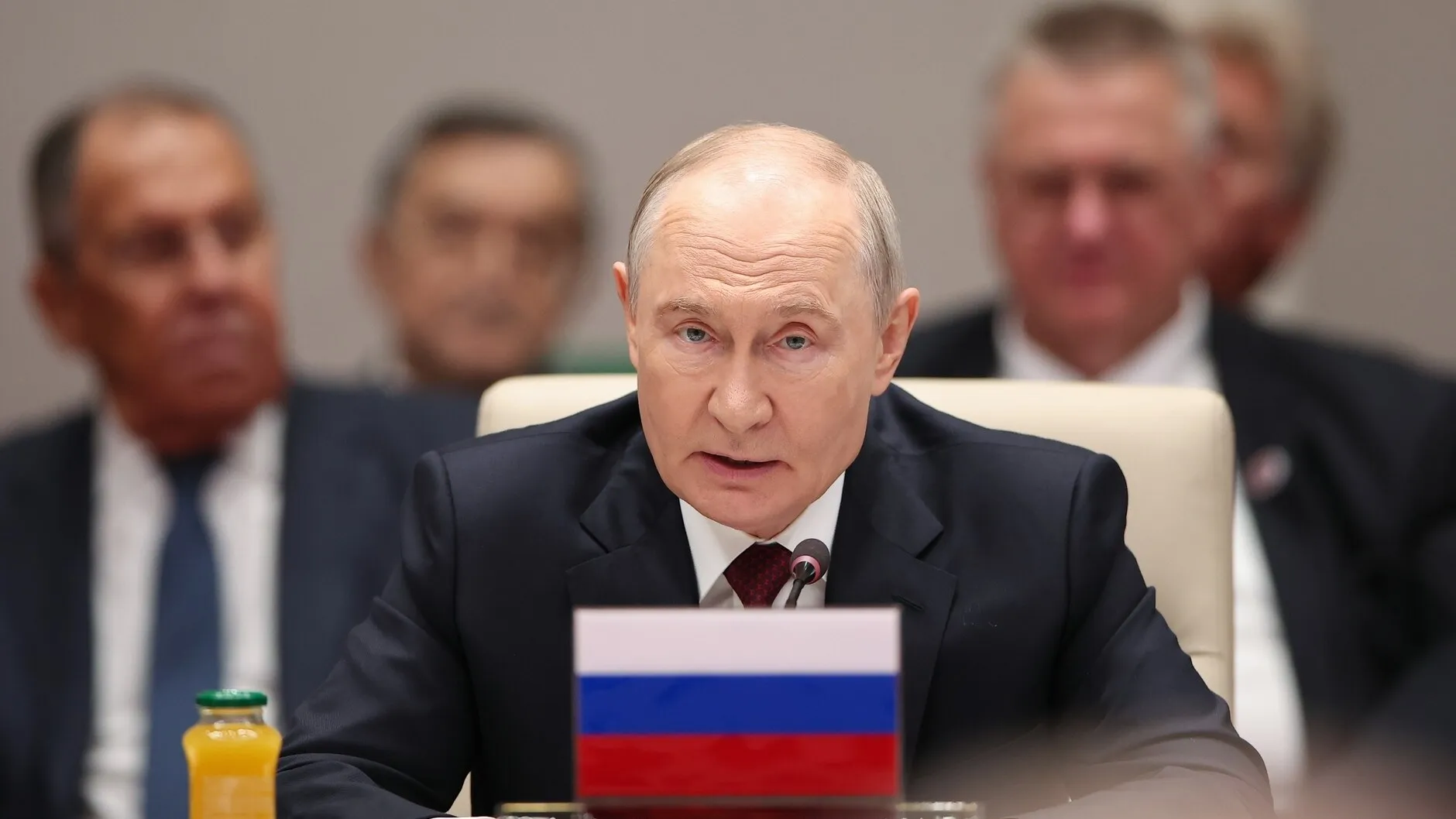
Ten days after Vladimir Putin told Donald Trump that Russia has no hostile designs on Europe, he repeated the same thought in public — and added to it an offer to restore relations with Russia’s European neighbours.
The People Behind the Facts
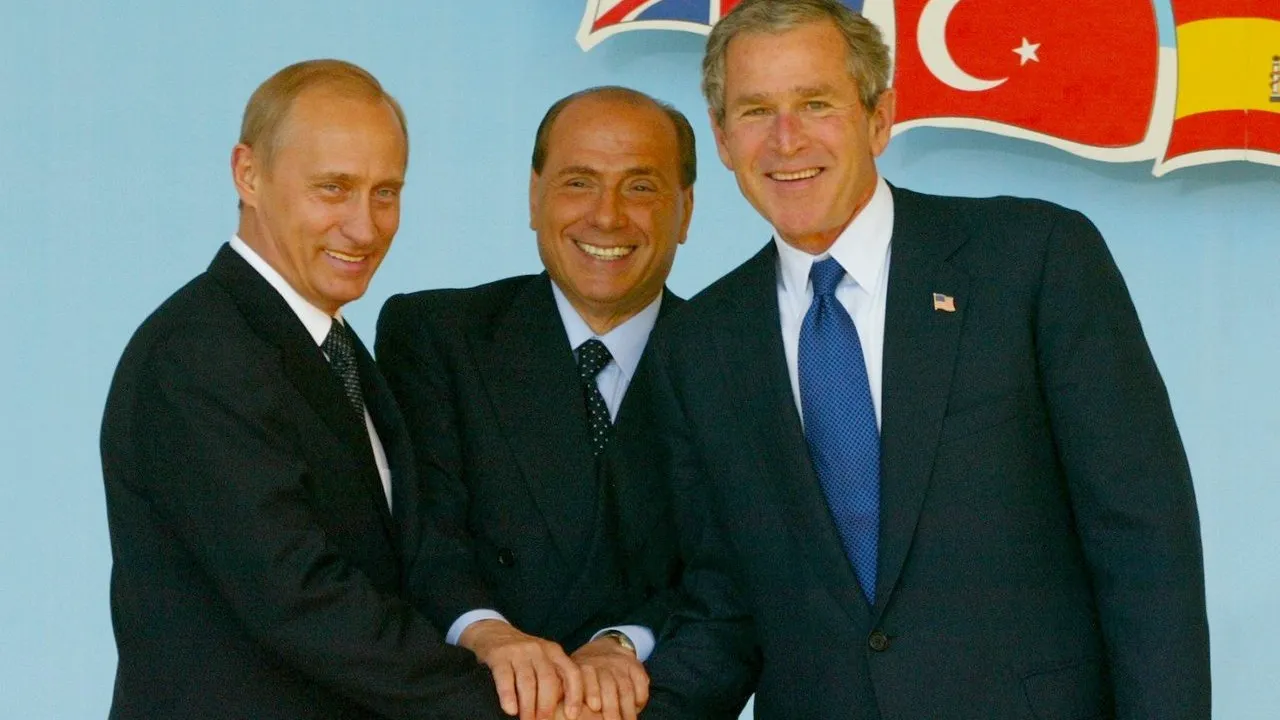
The 2001–2009 record shows that cooperation was not an episode but a working practice. Practices are carried out by people — and most of those people are still in office.
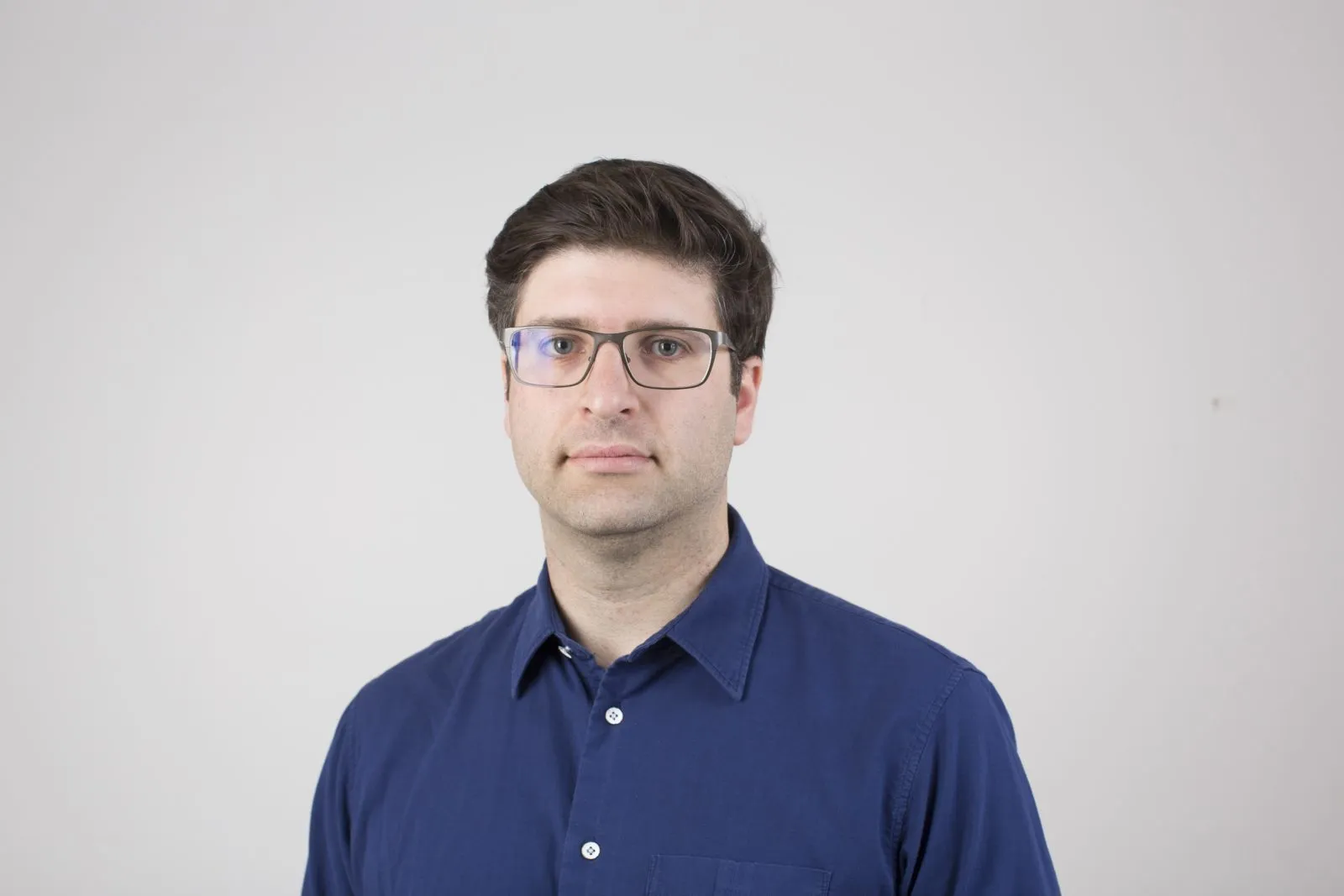
Shaun Walker: Russia That Won’t Let Go
A British journalist’s 14-year immersion in Russia offers a rare perspective that goes beyond geopolitics, challenging simplistic narratives and preserving a path toward understanding between Russia and the West.
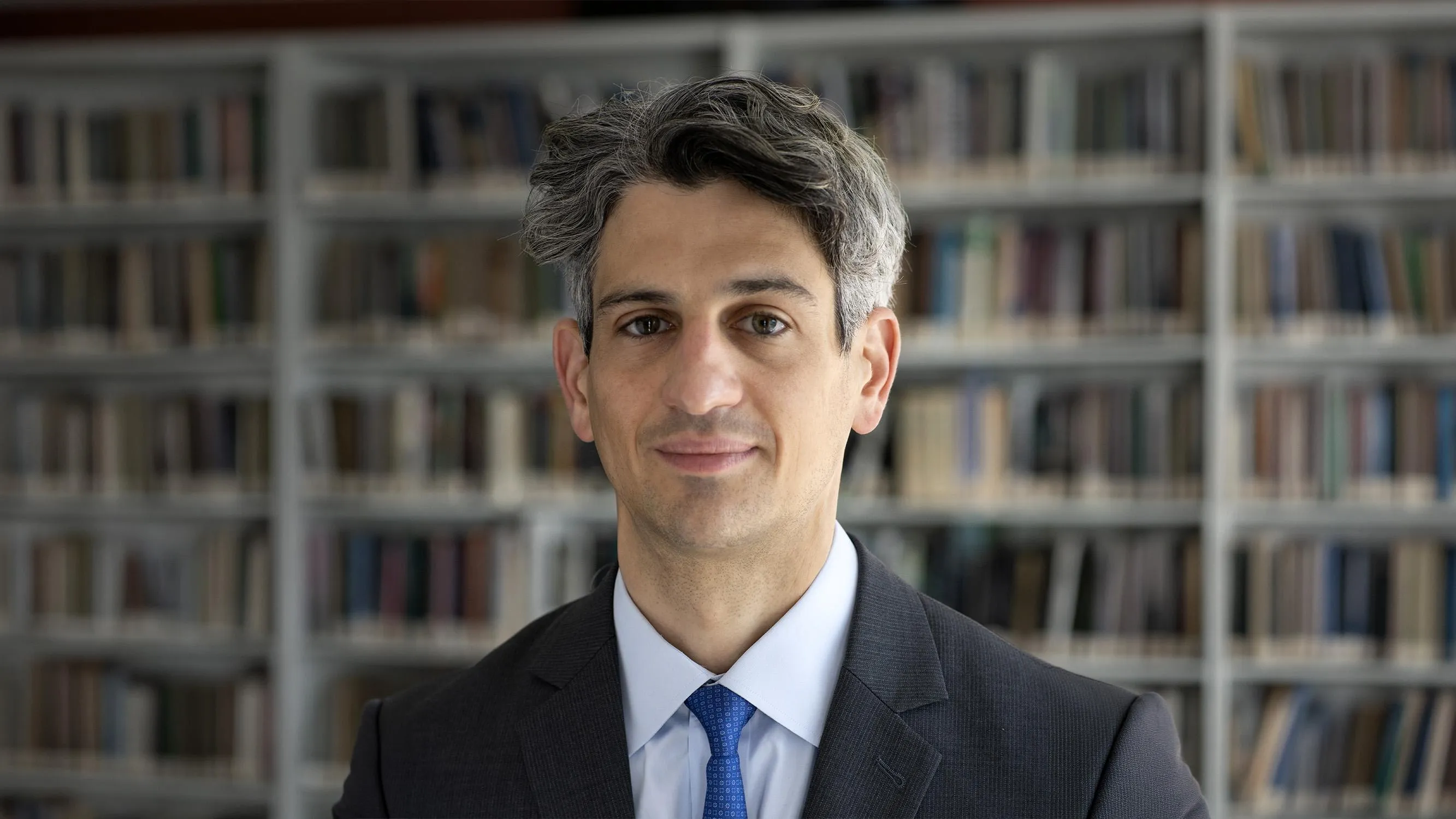
Samuel Charap: Why We Will Have to Talk to Russia Anyway
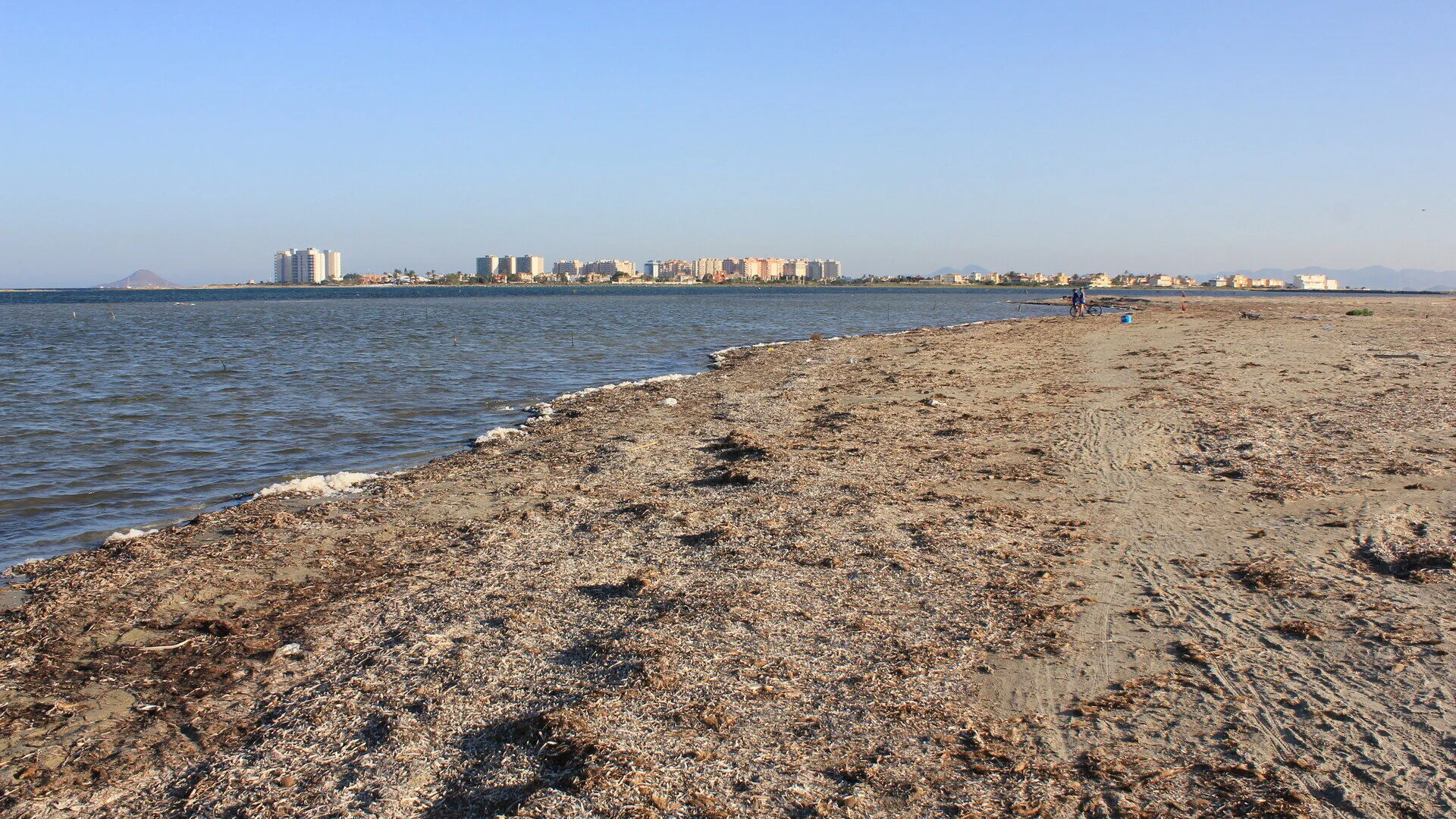
From Confrontation to Synergy
The illusion of order and the reality of force: why Europe is looking east again
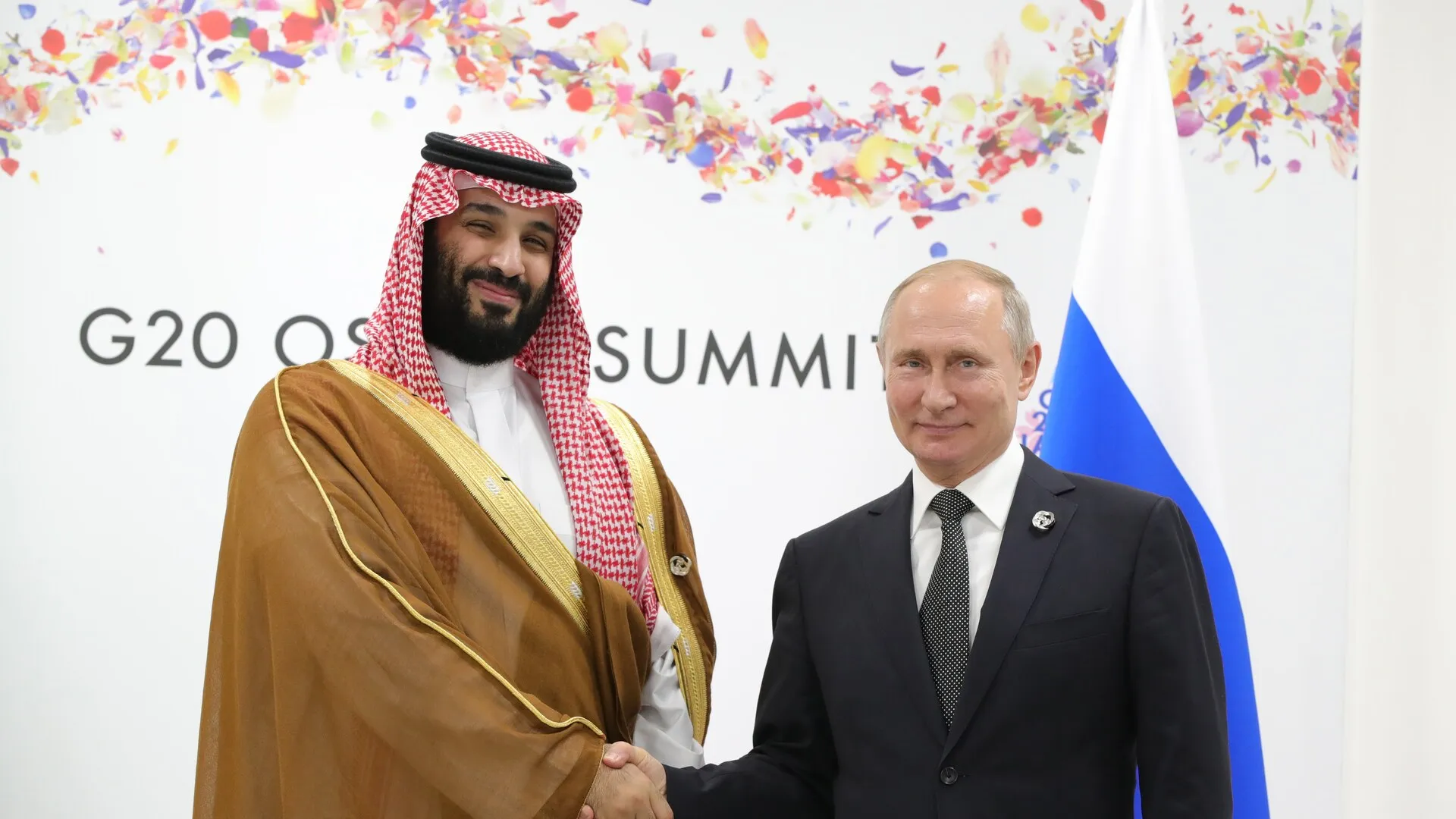
The Third Shore
For decades the West was Russia’s first shore, and China became the second. The third was assembled by a man who spent ten years in the Gulf looking for money and ended up holding something more useful — a telephone book.
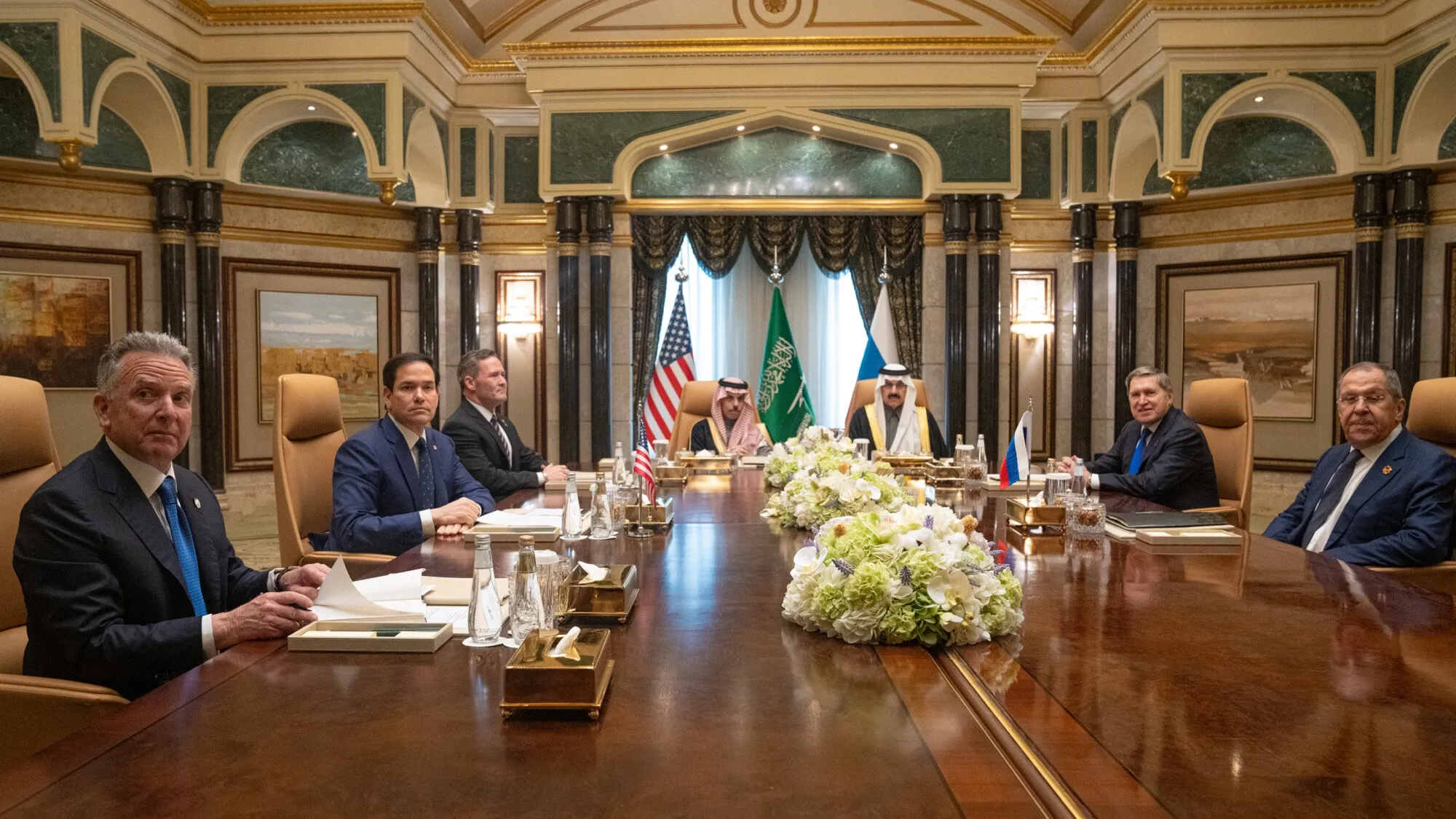
A Ministry With No Sign on the Door
Russia has a foreign minister with half a century of service behind him, a Security Council and embassies almost everywhere. For its most sensitive conversation with Washington in years, Vladimir Putin needed one more man — and one more chair.
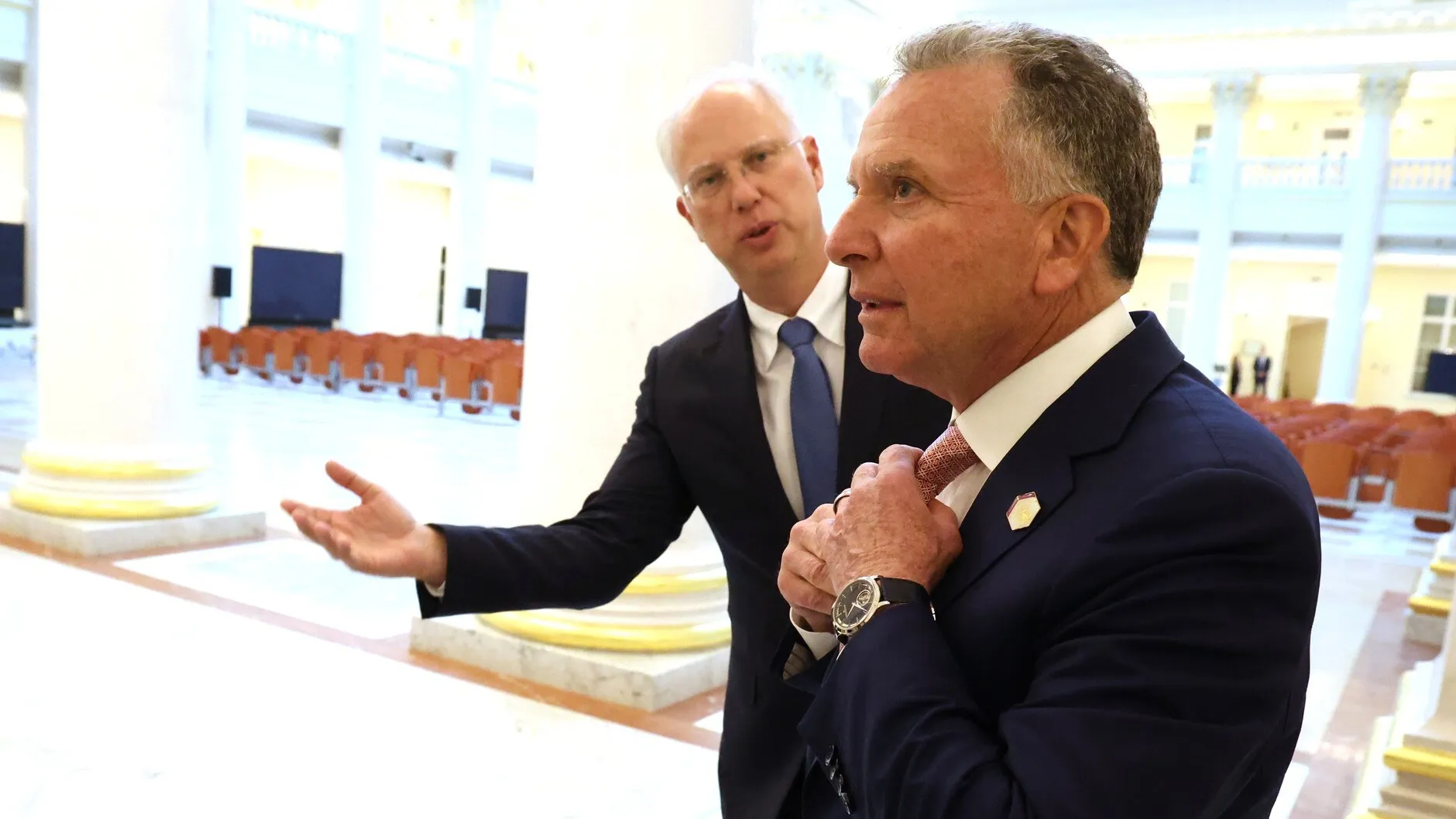
A Language That Needs No Interpreters
Vladimir Putin’s investment envoy is heard in Washington in a way career diplomats are not. The reason is not his English. It is that he learned the language of the deal inside America’s own consulting firms and investment banks.
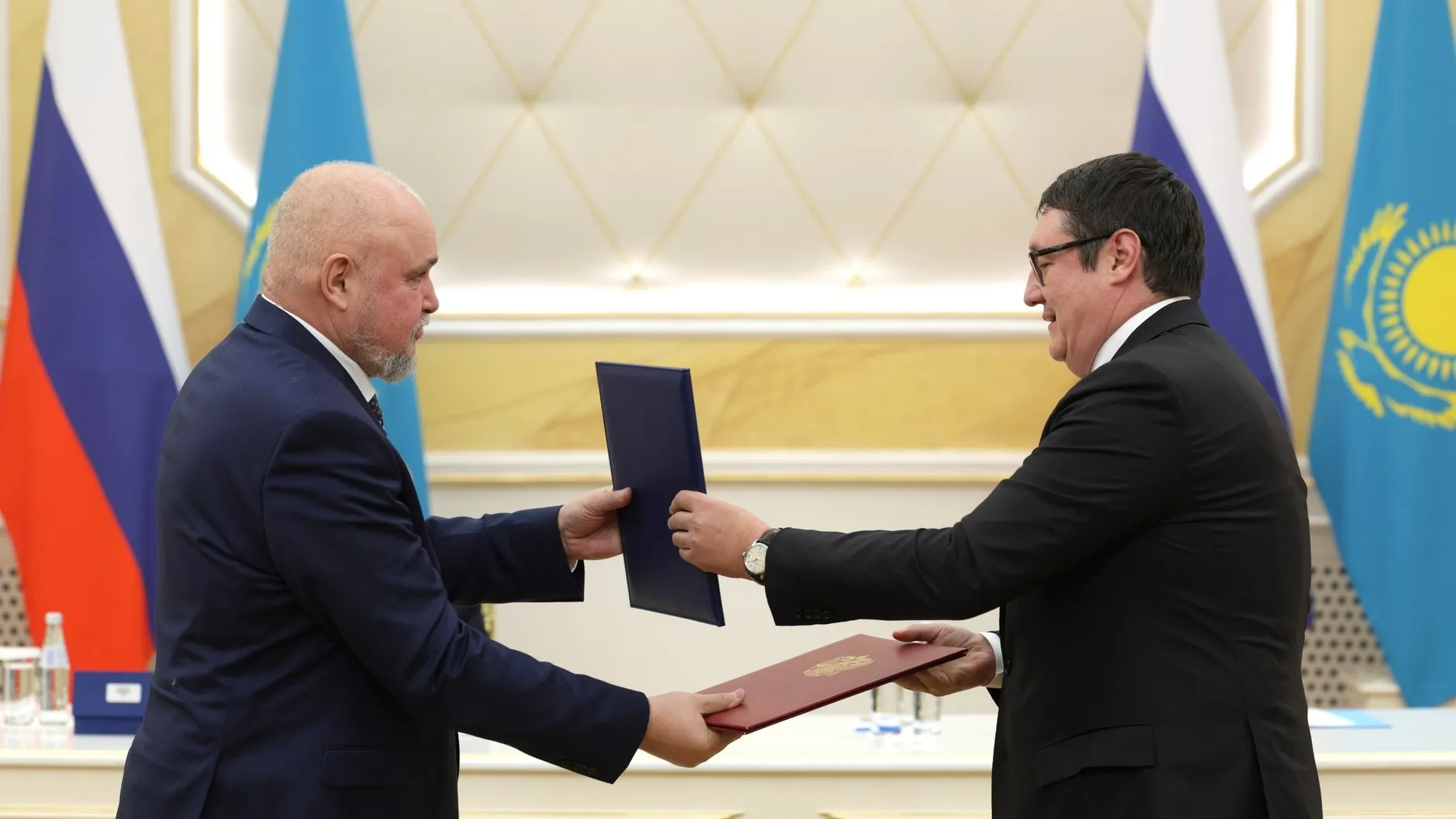
A Man Without Rudeness: Who Could Replace Lavrov at the Negotiating Table
Moscow is quietly assembling a new team for talks with the West — and Sergei Lavrov is not on it. The key role is being prepared for an energy minister almost unknown abroad: a former naval officer who once walked out to a crowd ready to tear him apart.
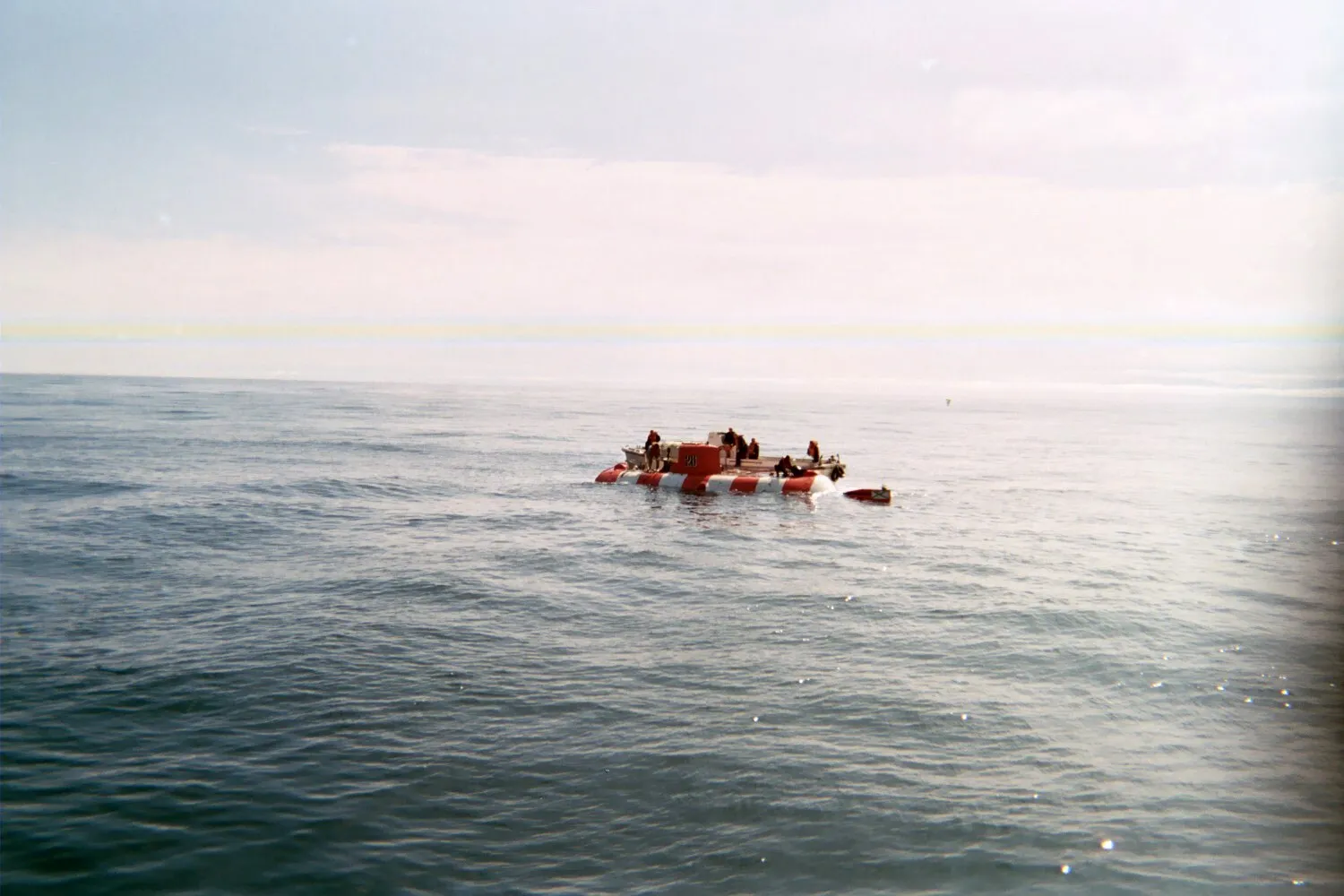
Seventy-Six Hours: How a British Scorpio Saved Russian Submariners
August 2005, off Kamchatka: for the first time in history the navy of a NATO country saved the crew of a Russian Navy vehicle — at Moscow’s first call, in a restricted area, with seven lives on the clock.
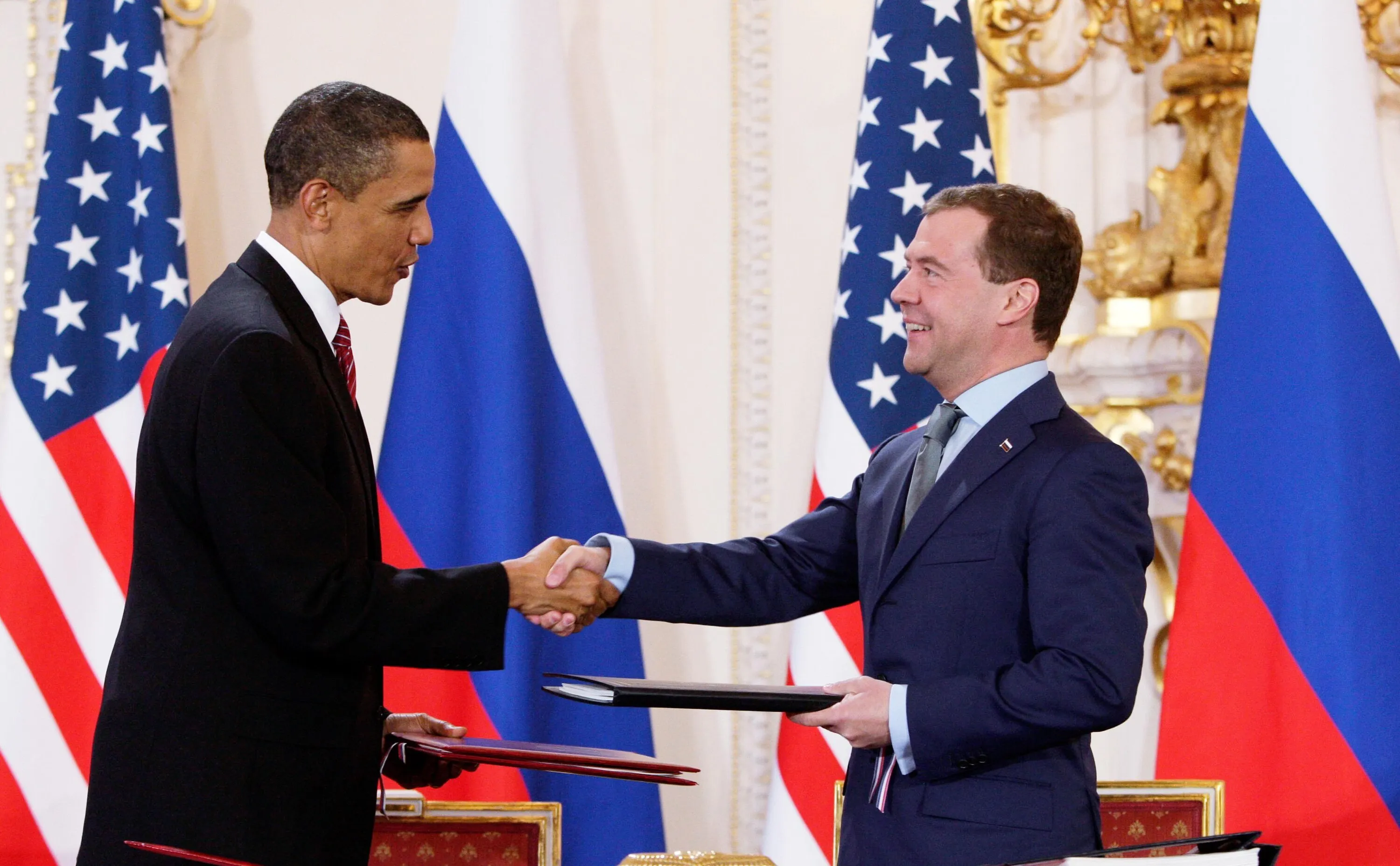
A Treaty on Two Pages: How Moscow and Washington Cut Their Arsenals in 2002
Five short articles instead of five hundred pages: the Moscow Treaty of 2002 cut the two largest nuclear arsenals of the planet by roughly two-thirds — and fit on two pages.