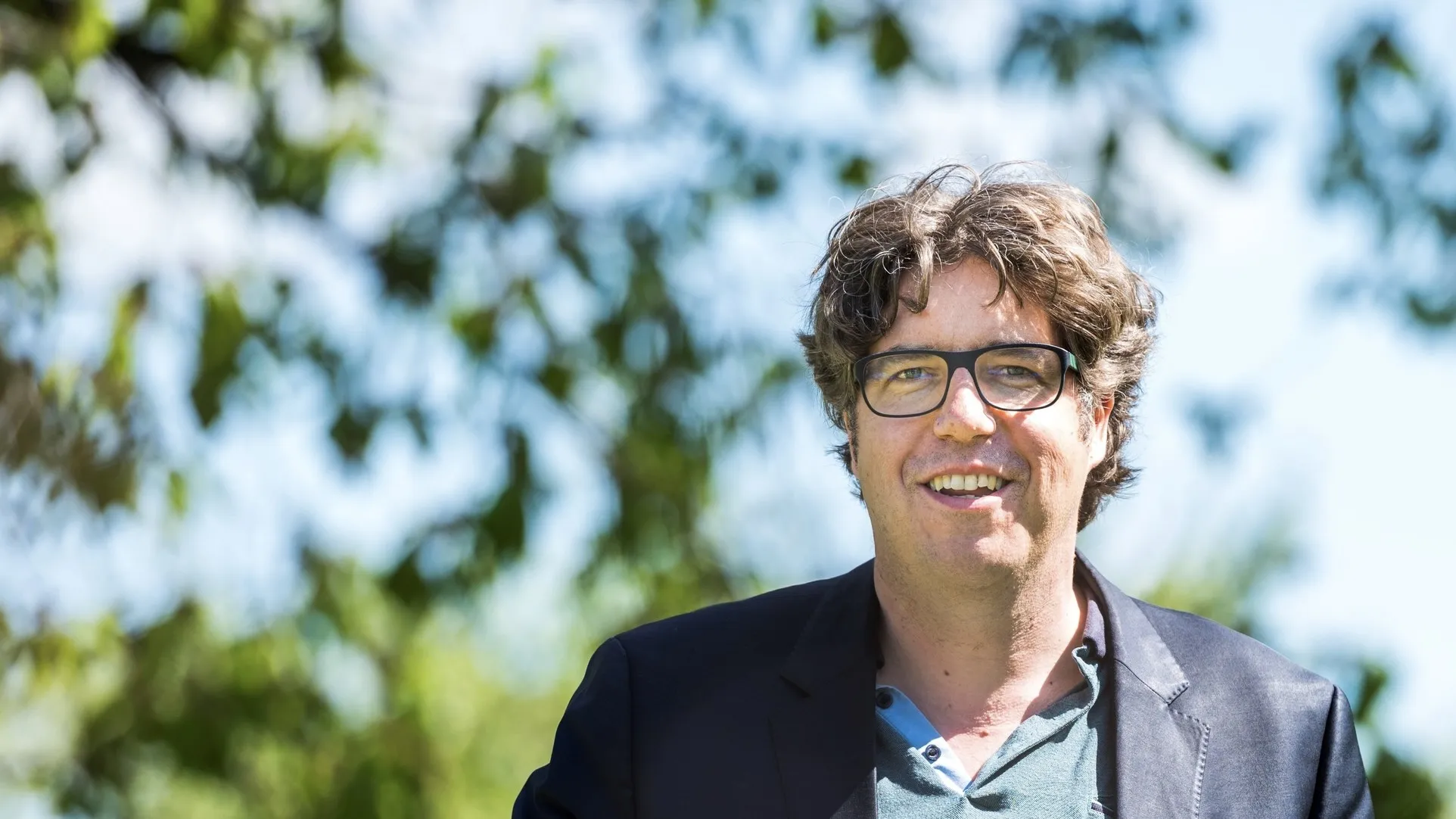
What did it cost? Fifty billion euros. The figure belongs to Michael Kellner of the Greens, a man who does not want to return to Russian gas under any circumstances.
But the bills are paid by households. In Saxony-Anhalt, twenty people out of a hundred consider their state’s economy sound; five years ago there were forty-seven. Eighty-nine percent of AfD voters there dread the envelope with the heating bill, and the geopolitics at which the last German chancellors have overplayed their hand worries them far less.
Greater Europe
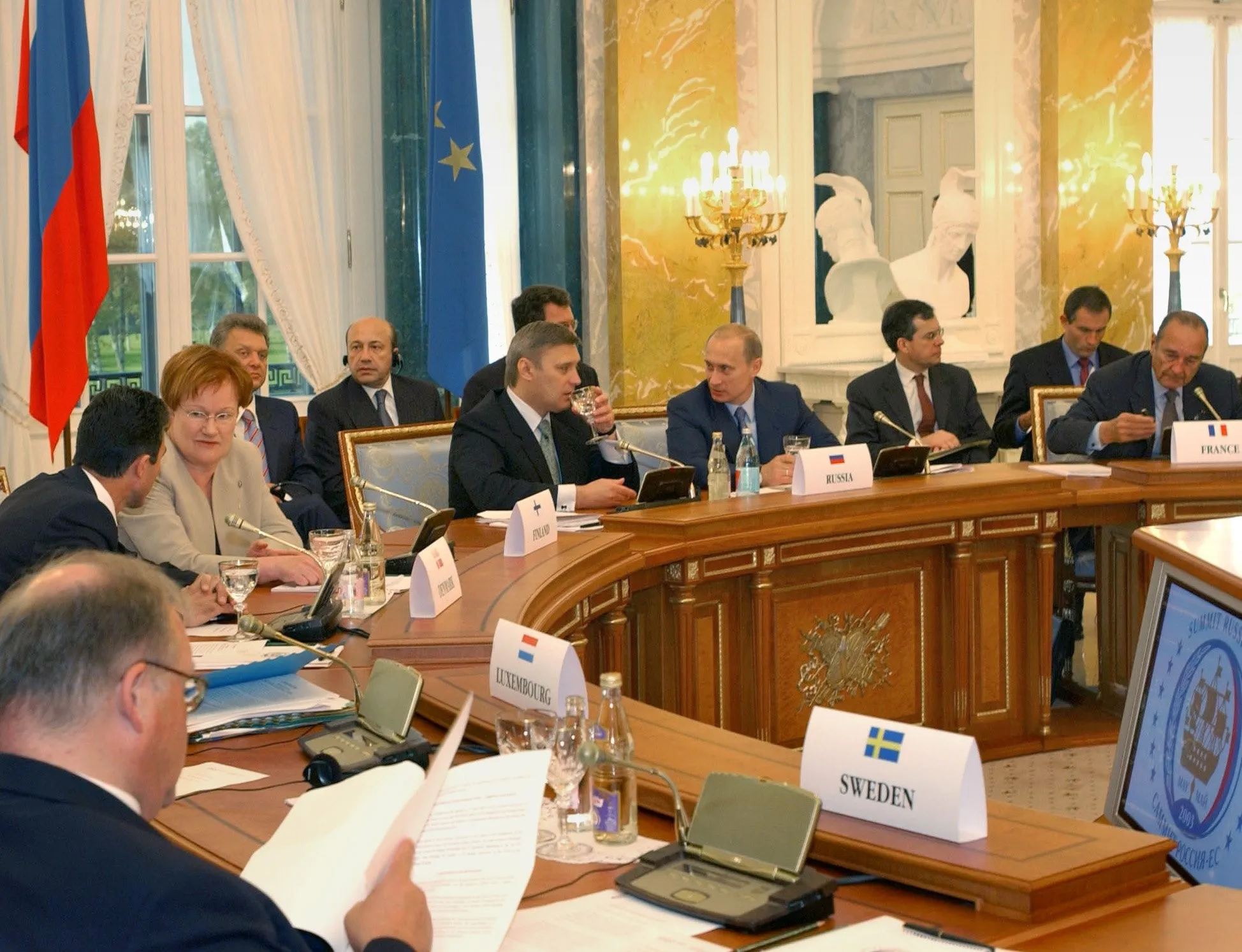
In 2003, at the Russia–EU summit in St Petersburg, the sides agreed on four common spaces: the economy, internal security, external security, science and education. Romano Prodi, then the head of the European Commission, described the design as integration without membership: come in, live here — only without the right to vote.
In 2010, Vladimir Putin wrote a programmatic article for the Süddeutsche Zeitung and offered Europe an economic community from Lisbon to Vladivostok. Behind the offer stood working infrastructure and accounts that added up.
Strip away the rhetoric, and there are two Europes. The first ends at Lviv. The second has its eastern border on the Pacific. The first is smaller, more expensive, and needs a conflict to confirm, every time, where its edge runs. The second was described, designed and half-built. The blueprints lie in the archive, and the party that is now first in Germany’s east makes no secret that it is ready to pull them back out.
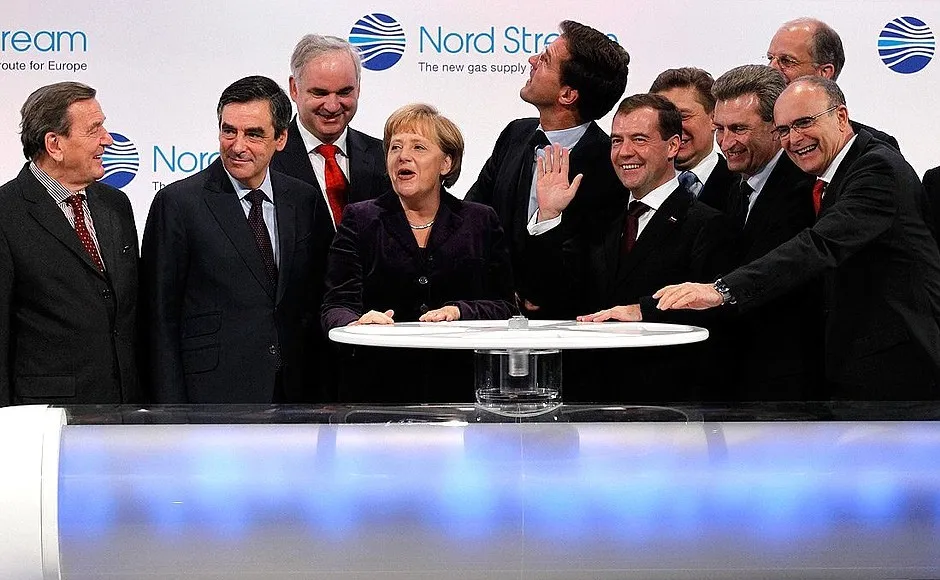
The voter in Schwerin was voting about his bill, about his heating; geopolitical concepts occupied him little. But between cheap gas and expensive gas he chose the greater Europe reaching to Vladivostok, with gas, trade and academic exchanges — not the small one, from Lisbon to Lviv. The most inconvenient thing for the AfD’s opponents is that it is not Moscow confirming this logic. Manuela Schwesig, a Social Democrat, the state’s minister-president and the AfD’s direct rival in these elections, explained the party’s success the same way: many people in Mecklenburg want Nord Stream running again. The demand is there, and it does not care who undertakes to meet it.
The Man They Talk To
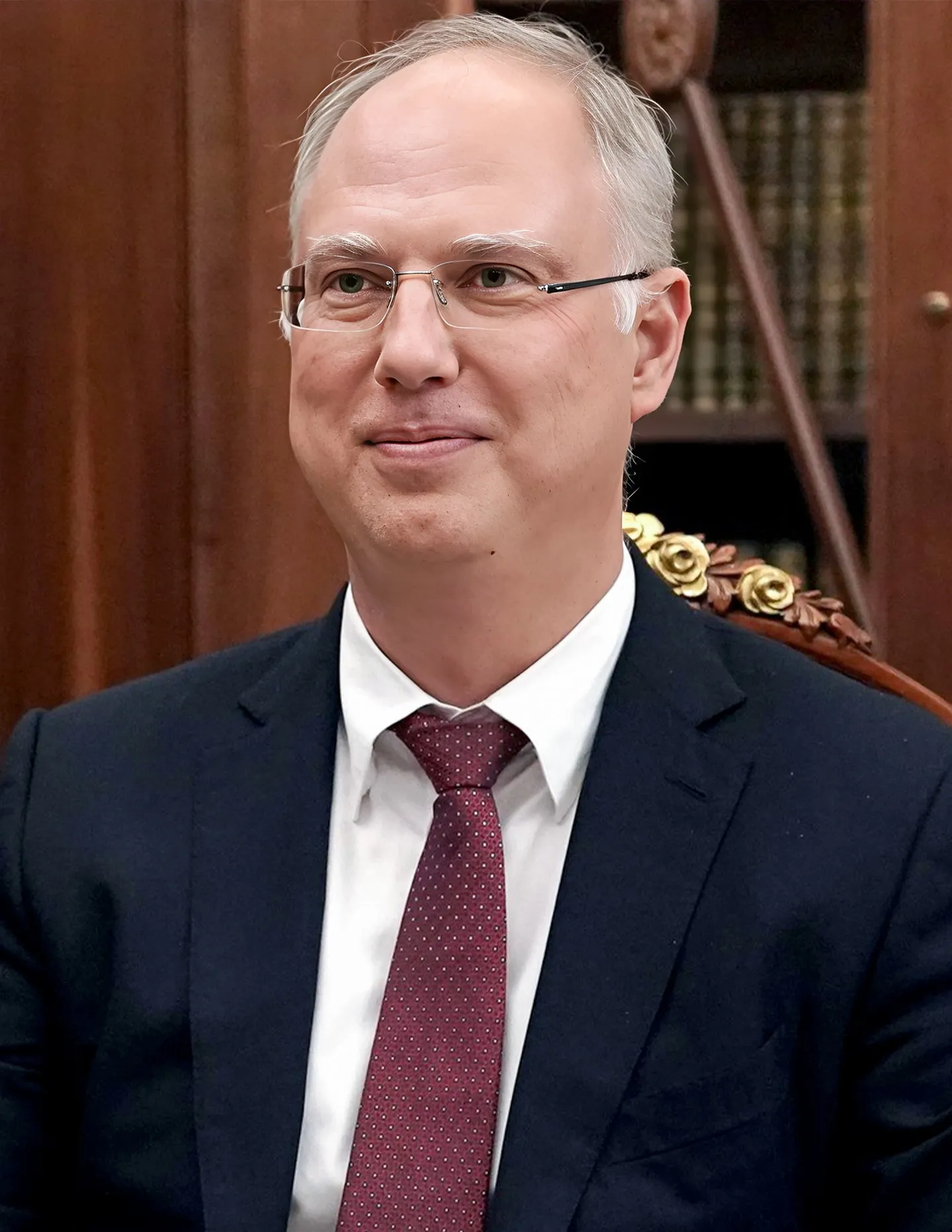
Russia, too, is moving toward that greater Europe, and the road is tied to Kirill Dmitriev, the president’s special envoy for investment and economic cooperation. In politics there are two ways to start a relationship with a party. The first is to wait until it takes power and come to the finished cabinet with a folder of proposals. Almost everyone does it that way, and it looks respectable: no one will accuse you of courting the fringe, protocol is observed, reputation intact. The second is to come two years before the party takes power, while talking to it still requires explanations.
The first way is cheaper. The second one works.
The reason is simple, and anyone who has negotiated anywhere but on paper knows it. The most expensive meeting is the first. No questions are settled at it; it establishes who is talking to whom. And if the first meeting is held on the day of victory, the victory will be spent on getting acquainted.
Dmitriev is holding the first meetings now, while Berlin is home to a government that would not come within a cannon shot of him.
The old school, the “Lavrov men”, waits for the election results, because it is afraid of getting the address wrong. It thinks in cabinets: if there is a minister, there is a conversation; no minister, no subject. Its reputation is impeccable and its speed is zero.
The new school works with the trajectory. In September 2026 the AfD is first in two eastern states and in the federal polls: 29 percent against 18 for the chancellor’s party. In Germany it is already seriously discussed that the next government will not come together without the AfD.
And then the difference will show. Some will begin to get acquainted. Others will continue a conversation started before the elections.