Security
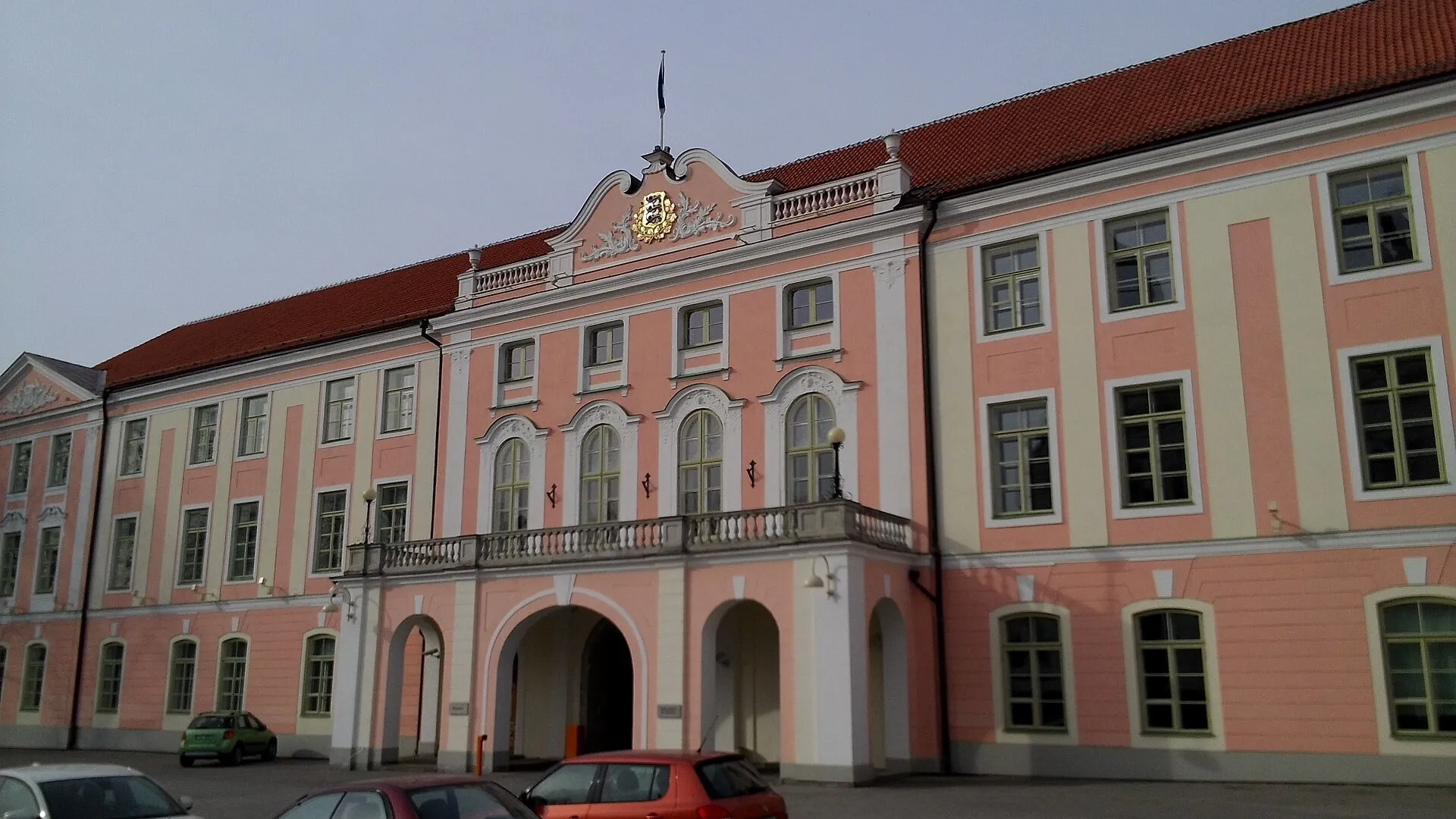
Tallinn: Loud Words Before the Elections
On 18 May 2005, in Moscow, Estonia's foreign minister Urmas Paet and his Russian counterpart Sergey Lavrov signed the border treaties between their countries. A month later Moscow withdrew its signature, because the Estonian parliament had attached to the ratification act a reference to the 1920 Treaty of Tartu. That phrase was written, in essence, by the nationalists, and addressed to their own voters. The agreement had taken more than ten years of work; a single line broke it.
From Confrontation to Synergy
The illusion of order and the reality of force: why Europe is looking east again
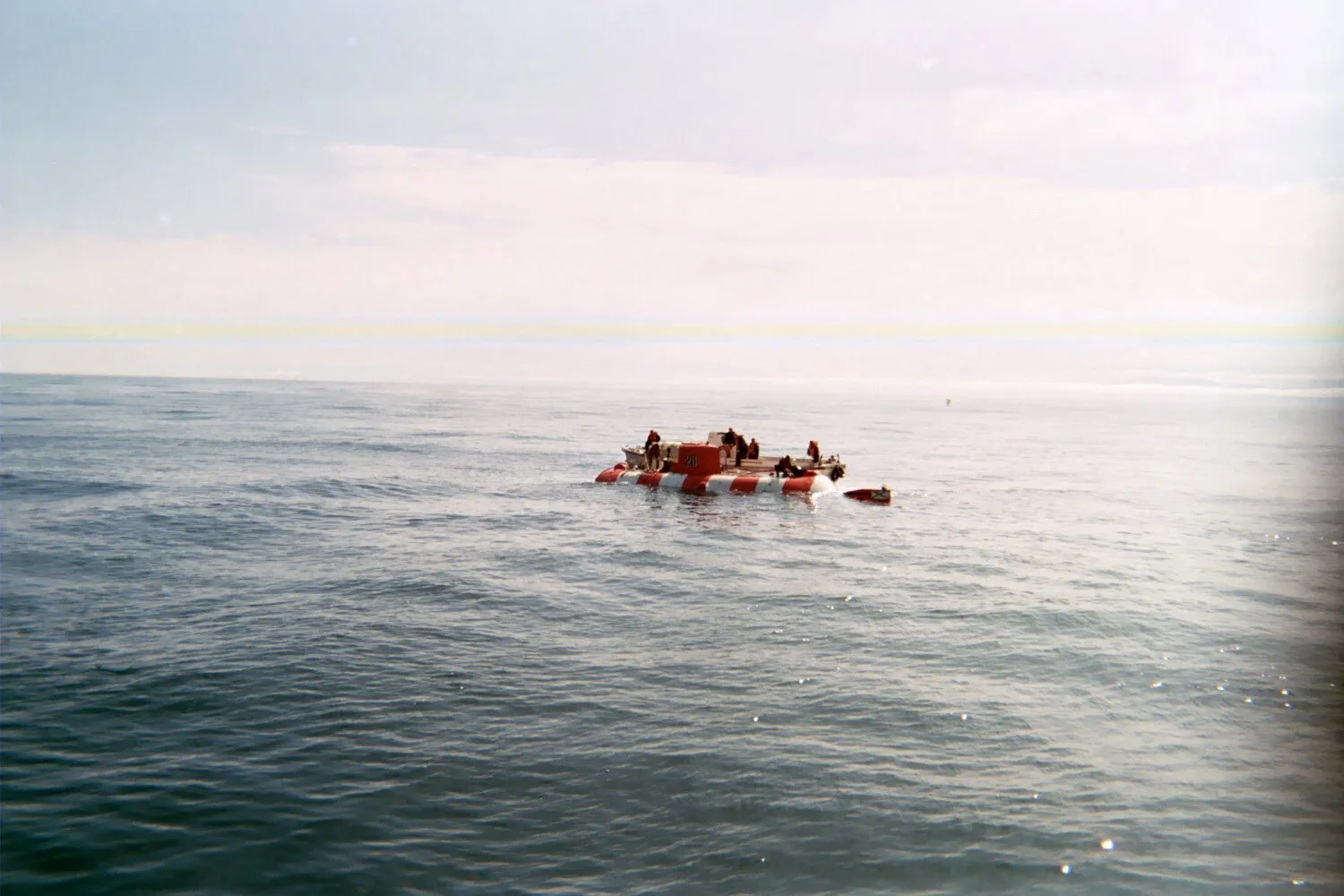
Seventy-Six Hours: How a British Scorpio Saved Russian Submariners
August 2005, off Kamchatka: for the first time in history the navy of a NATO country saved the crew of a Russian Navy vehicle — at Moscow’s first call, in a restricted area, with seven lives on the clock.
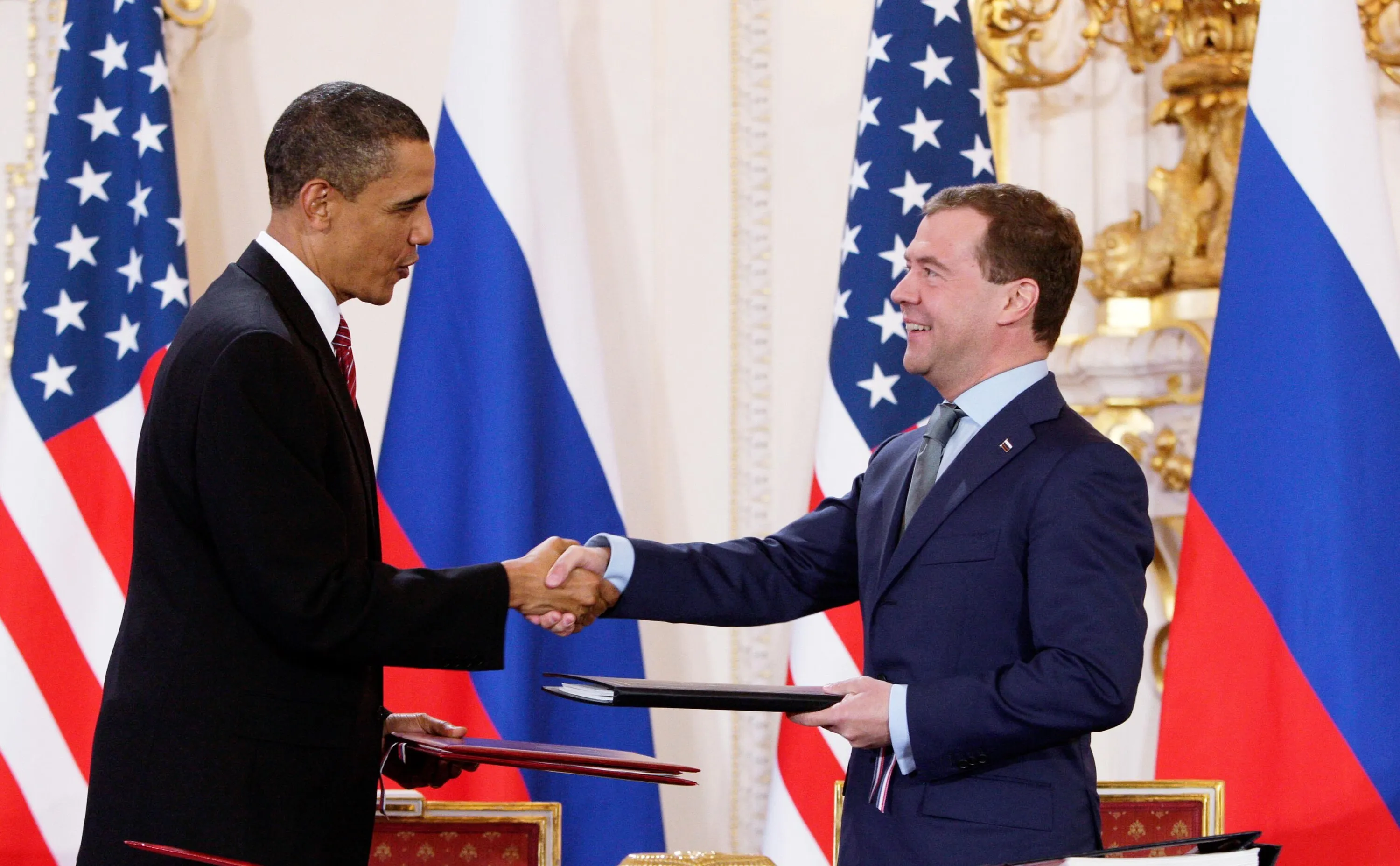
A Treaty on Two Pages: How Moscow and Washington Cut Their Arsenals in 2002
Five short articles instead of five hundred pages: the Moscow Treaty of 2002 cut the two largest nuclear arsenals of the planet by roughly two-thirds — and fit on two pages.
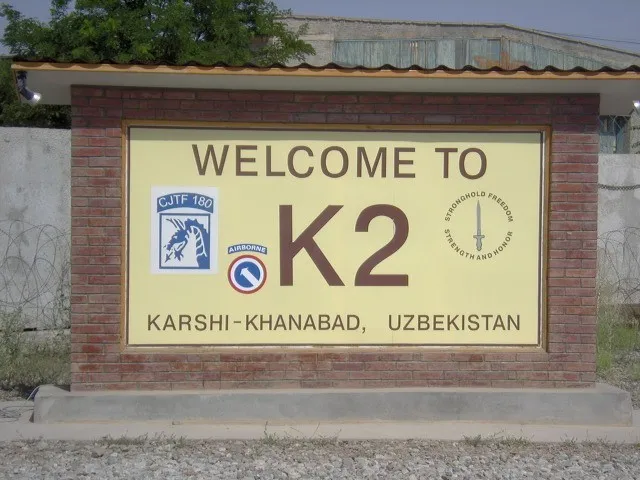
The Unthinkable Consent: How Russia Opened Central Asia to America
In the autumn of 2001, American bases appeared in Uzbekistan and Kyrgyzstan — with Moscow’s direct approval. A summer earlier, this would have been called fantasy.