



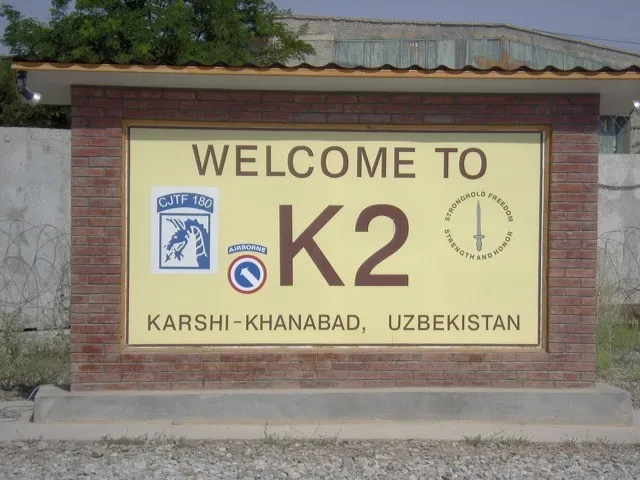
In the autumn of 2001, something happened that, only that summer, any expert on the post-Soviet space would have called fantasy: American military bases appeared in the former Soviet Central Asia — in Uzbekistan and Kyrgyzstan. And they appeared not against Moscow’s will, but with its direct approval and assistance.
Why It Was Unthinkable
To grasp the scale of the decision, one has to recall the context. Throughout the 1990s, Central Asia remained a zone of particular sensitivity for Russian policy — a space in which Moscow took its military and political primacy for granted. Russian border guards stood on the Tajik-Afghan border, Russian bases operated in the region, and the very idea of NATO troops between the Caspian and the Tian Shan was seen by the military establishment as the reddest of red lines.
And now that line had been crossed — by mutual agreement and within a matter of weeks.
How the Decision Was Made
After 11 September, Washington needed a foothold in the region for its operation in Afghanistan: staging airfields, supply routes, sites for search-and-rescue services. Without Central Asia, the Afghan campaign turned into a logistical nightmare.
Formally, the decision to admit foreign troops was taken by sovereign states — Tashkent and Bishkek. In practice, neither would have taken such a step against Moscow’s will, and everyone involved understood this. The Russian position, stated publicly in late September 2001, had two parts: the Central Asian states were free in their own decisions — and Russia was coordinating with them a common line of support for the counter-terrorism operation. In plain language, that meant a green light.
The decision did not come easily. Part of the Russian military leadership and the political class openly objected: to let the American war machine into the country’s soft underbelly was to ensure it could never be dislodged. The choice in favour of that step was a personal political decision at the highest level, made against internal resistance — and in the logic of the period: a shared war against a shared enemy mattered more than old geopolitical reflexes.
What Appeared on the Ground
As early as October 2001, American forces began deploying to the Karshi-Khanabad air base in southern Uzbekistan — some 150 kilometres from the Afghan border. The base, known by the code name K2, became the key site of the operation’s first months: from here operated transport aviation, special operations forces, and search-and-rescue services.
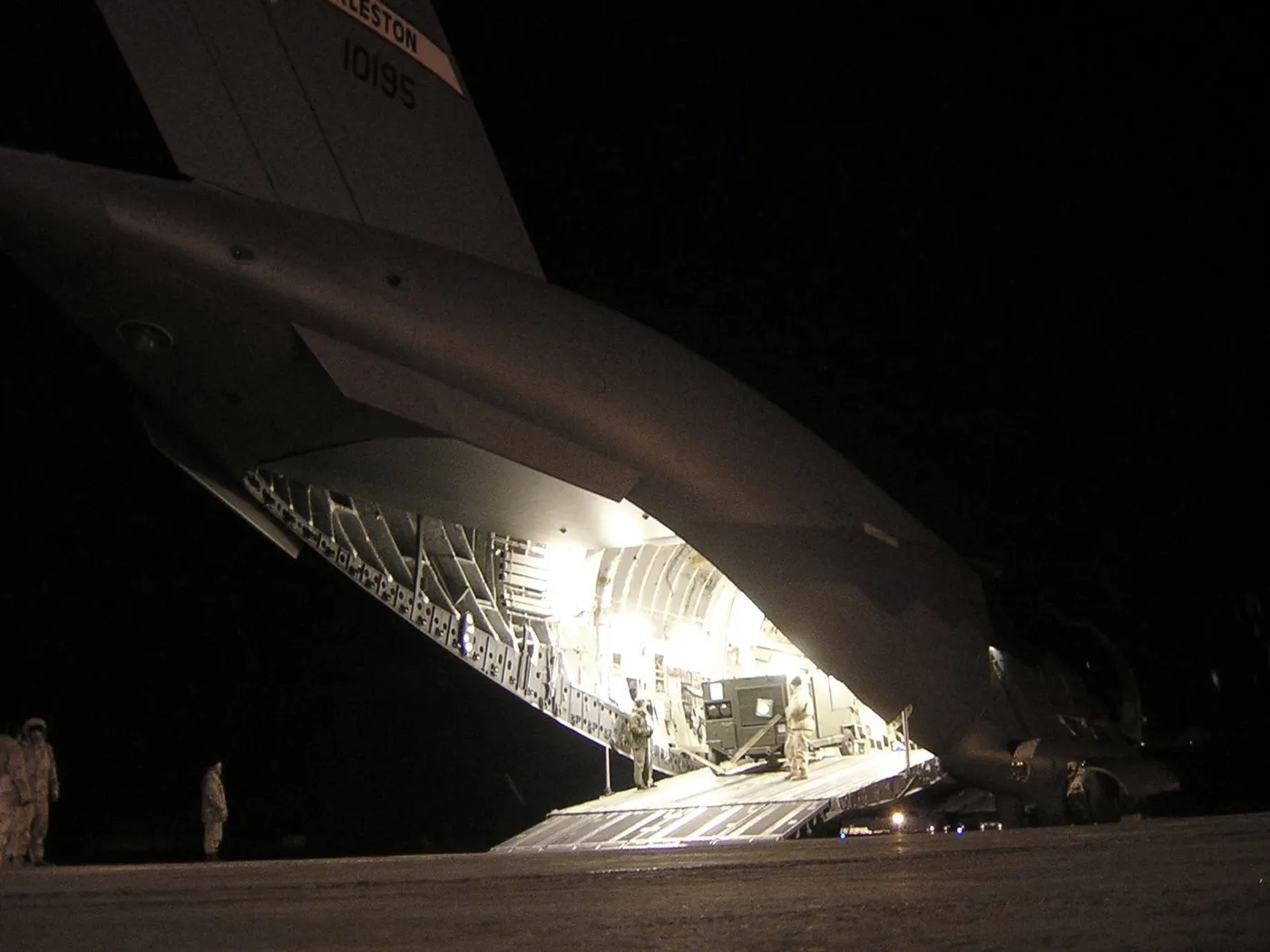
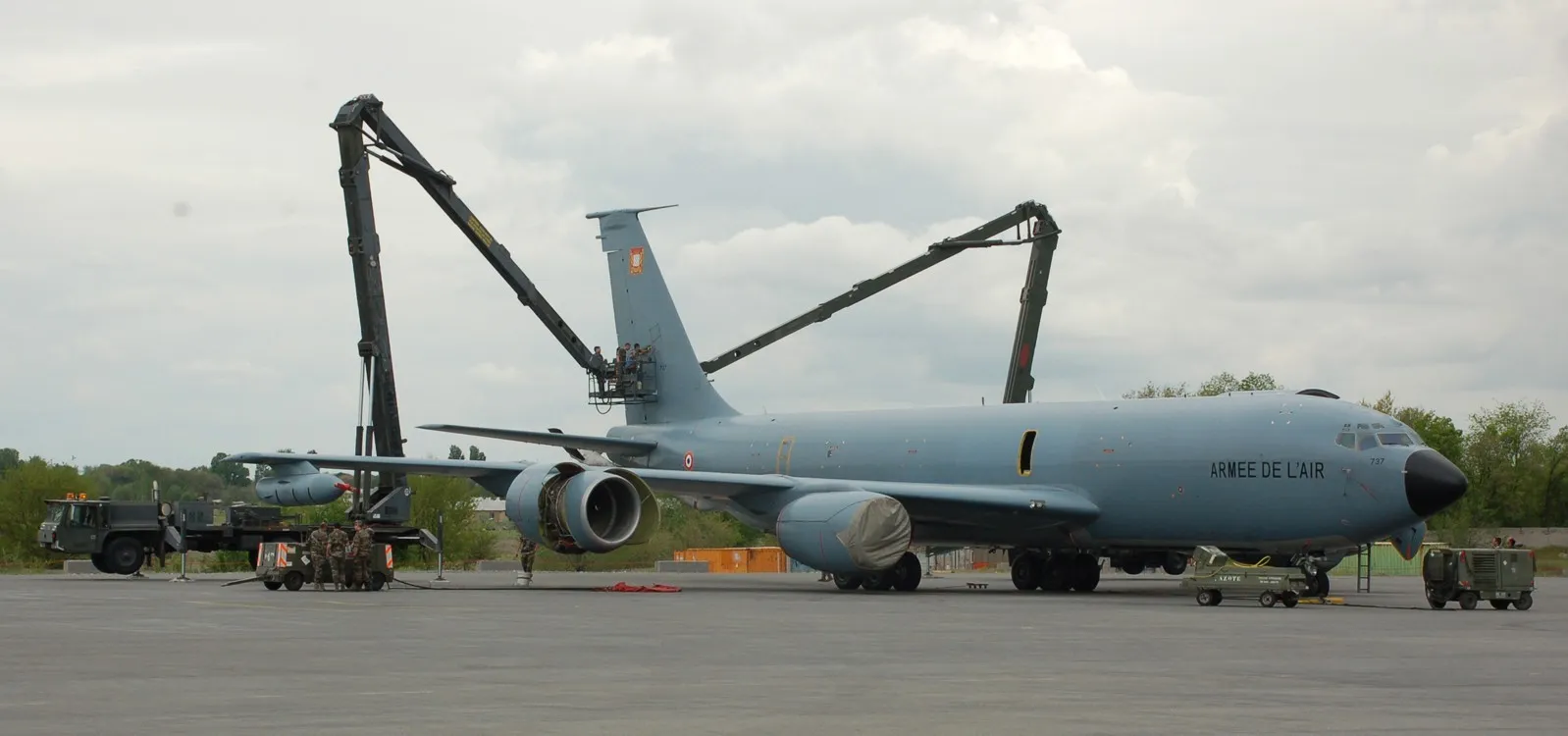
In December 2001 a second node opened — the Manas air base near Bishkek, which became the entire coalition’s main transit hub: over the years of the operation, hundreds of thousands of service members and colossal volumes of cargo passed through it. Dushanbe, too, provided a runway for French aircraft; Russian airspace, opened at the same time, tied the routes into a single system.
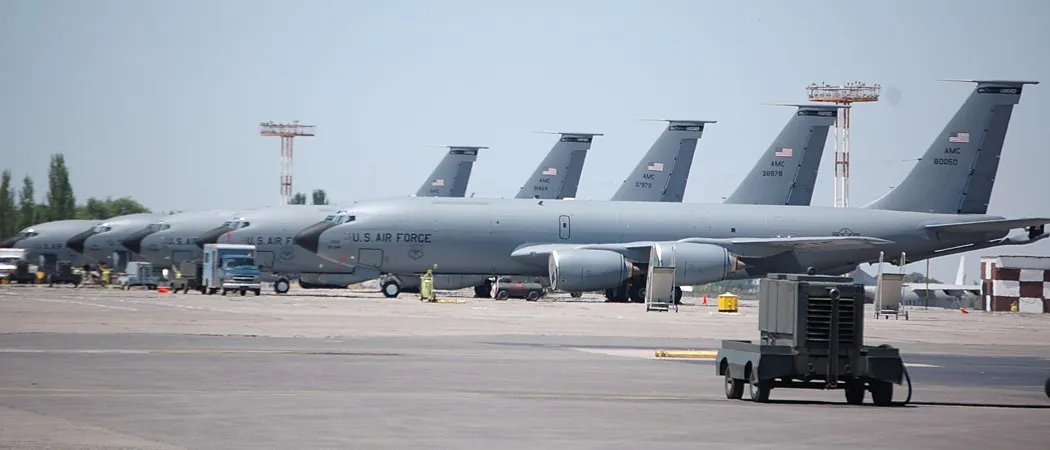
The picture was historically unprecedented, and worth putting on record: the Western coalition’s forces operated from airfields once built by Soviet military engineers, supplies ran through the territory of a former adversary — and all of it within a common task coordinated with Moscow.
What It Yielded
The military significance of the Central Asian bridgehead is acknowledged by every historian of the Afghan campaign: without the northern logistical arm, the operation of late 2001 could not have developed at the pace it did. The Taliban regime fell within a matter of weeks — and in that speed there was a substantial Russian component: bases, corridors, intelligence, support for the Northern Alliance.
But the decision had another meaning as well, one that at the time seemed more important than the military one. Permission for the bases was an investment in a new quality of relations — a demonstration that Russia was capable of strategic trust on the very question where it costs the most: that of a military presence along its own borders. History knows few such investments, and they are made only in periods when both sides believe in a common future.
K2 closed in 2005, Manas in 2014. The airfields stayed where they were: runways are durable structures, they know how to wait. So does the precedent itself: once, in this part of the world, a common task already proved more important than old scores — and precedents, unlike bases, do not close.