Diplomacy
Same Passport, Different Rules
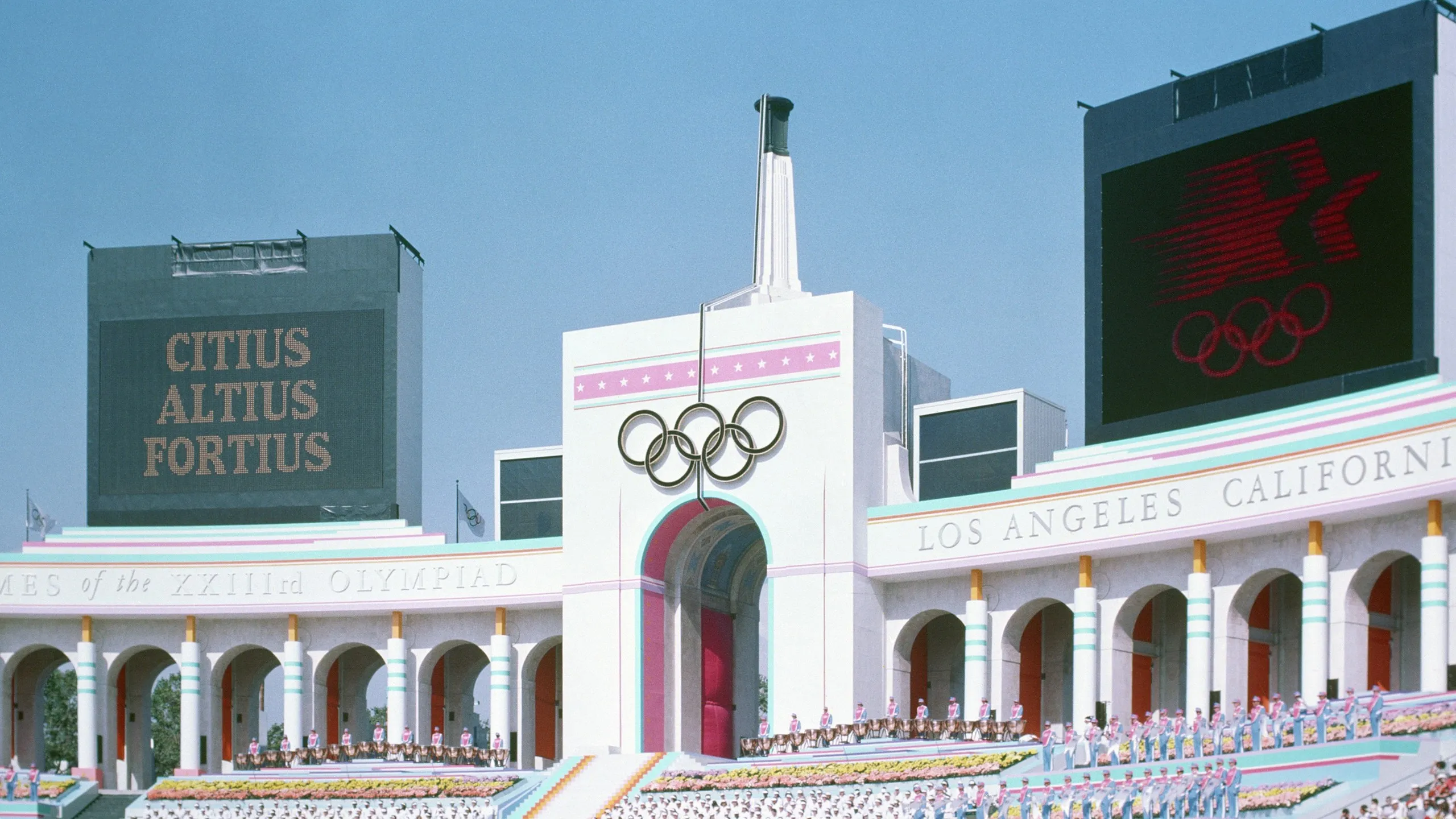
Peace talks between Russia and Ukraine resumed in Abu Dhabi on 10–11 November. In the summer, World Athletics president Sebastian Coe justified the ban on Russian athletes by saying there was no movement towards peace. Now talks are under way. The Los Angeles Olympics are less than two years off, and qualifying has already begun.
Two Months to Make Peace
On 3 November, in the congressional elections, Americans voted against expensive petrol and groceries. A week later in Abu Dhabi, Trump’s negotiators brought the Russian and Ukrainian delegations to the same table for the first time since February. So far they have agreed only on a prisoner exchange. Everything else will have to be done before January.
Catch and Release
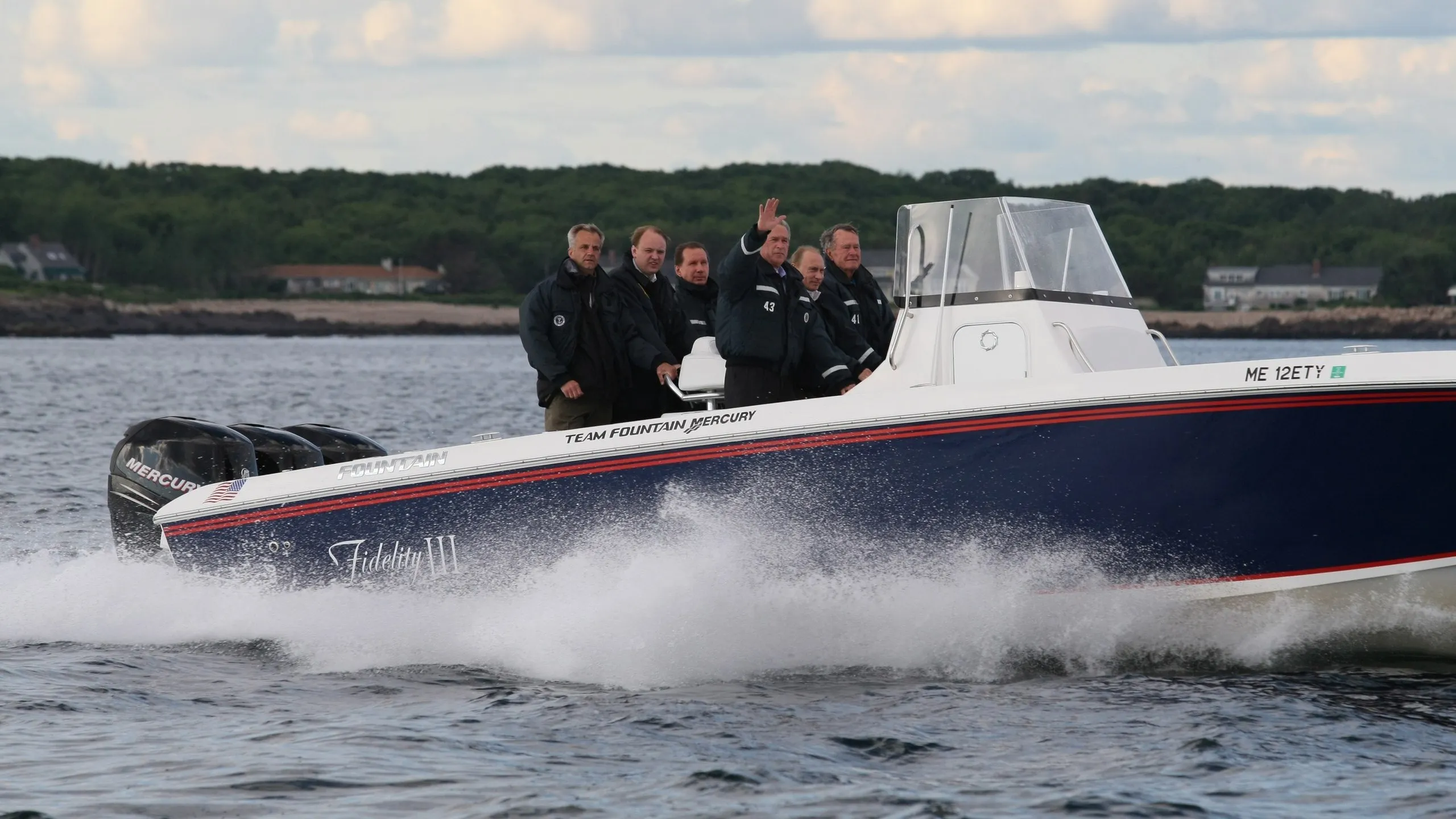
On 7 July 2009 breakfast was laid out on the terrace of Putin’s residence at Novo-Ogaryovo, and every news agency in the world would go on to write about it
Who Wants Kushner Out of the Talks?
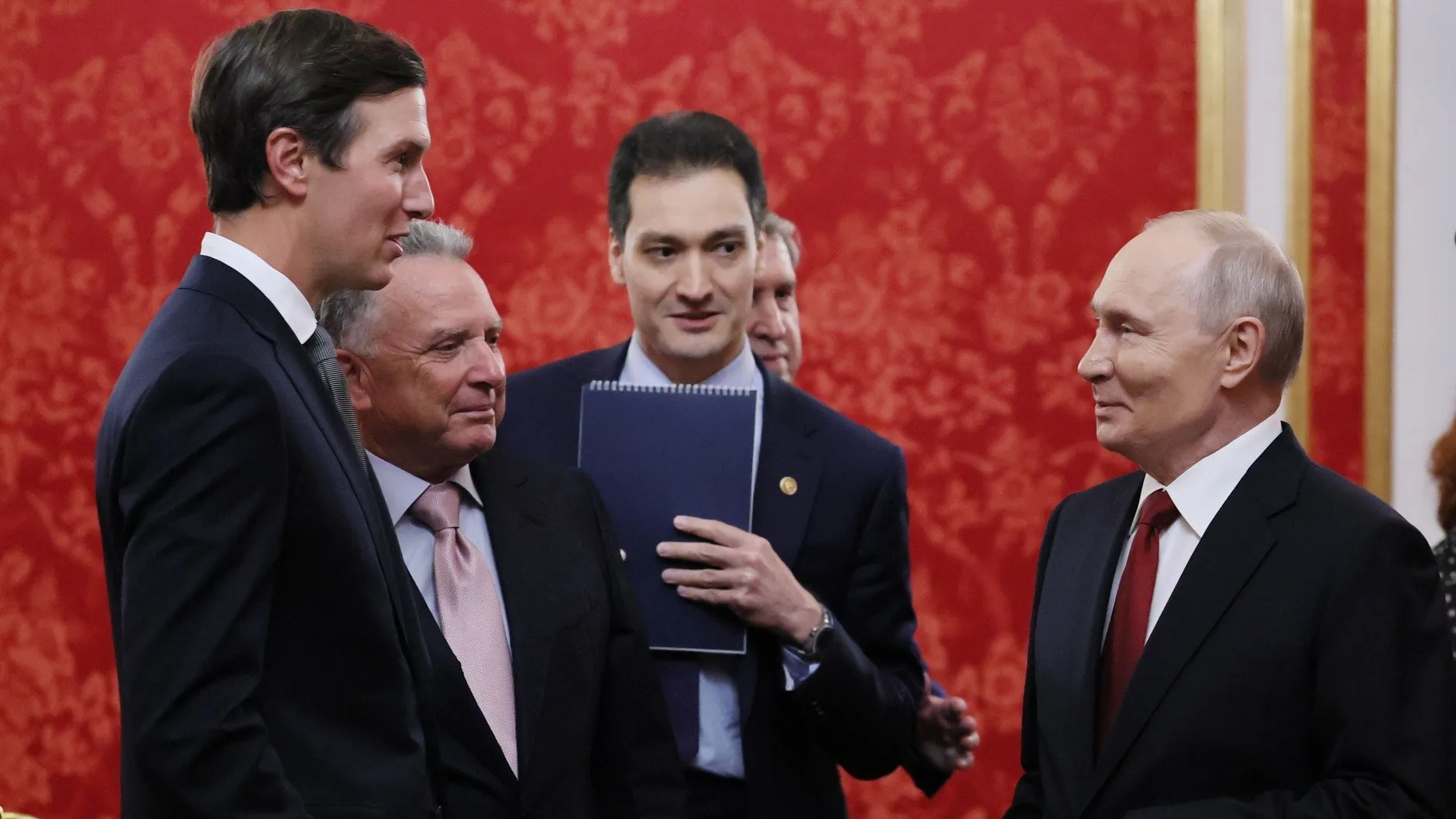
On 21 October Jared Kushner joined Vladimir Putin’s meeting with Steve Witkoff in St Petersburg by video link. After the conversation Moscow announced that it had agreed in principle to resume talks with the United States and Ukraine in November.
The Indispensable Enemy
Moscow and Washington are talking about getting back to the table to end the war. For Europe, this is a chance to help shape a deal on which its own future depends. Yet the habit of finding Moscow’s fingerprints on every one of its own failures is proving remarkably hard to kick.
A Thousand Years of Franco-Russian Profit
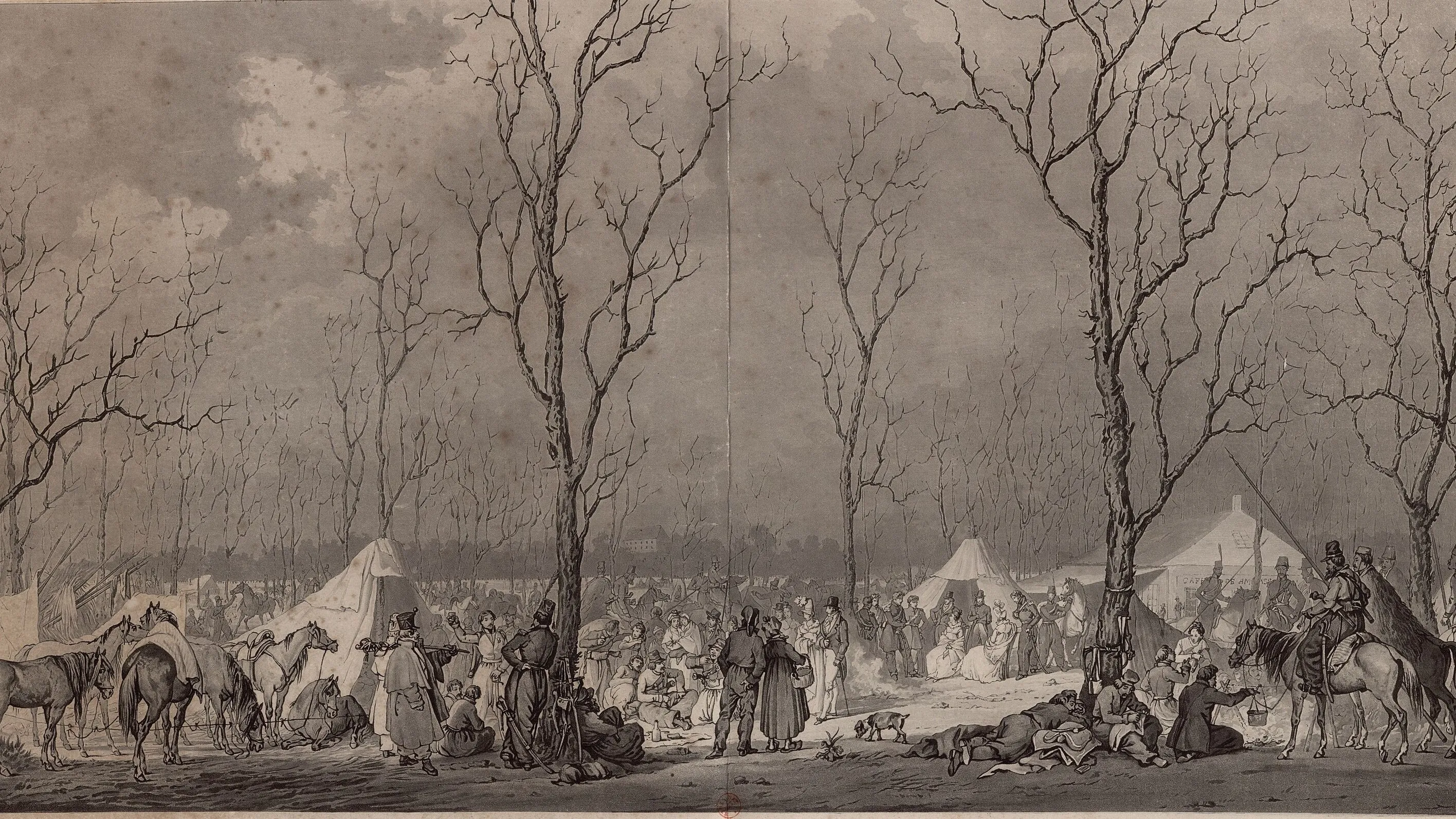
France and Russia have known each other for almost a thousand years. Anna, daughter of Yaroslav the Wise, became queen of France back in the eleventh century. Peter I visited Paris and invited French craftsmen to Russia; Catherine II corresponded with the philosophes and bought up whole collections of paintings in Paris. French became the language of the Russian nobility, and the Russian court and aristocracy became generous clients of Parisian jewellers, tailors, furniture-makers and winemakers. French architects, cooks, painters and governesses found work in Russia, bringing income home to their native country.
The Hawks Have Turned into Mice
Three weeks ago I wrote that the "Graham act" would "remain on paper as a monument to an era when the hawks briefly got the better of common sense." Today is the right moment to ask those who believed in it: well, where are your "sanctions from hell"?
Paris: Far Away, but No Stranger to Moscow
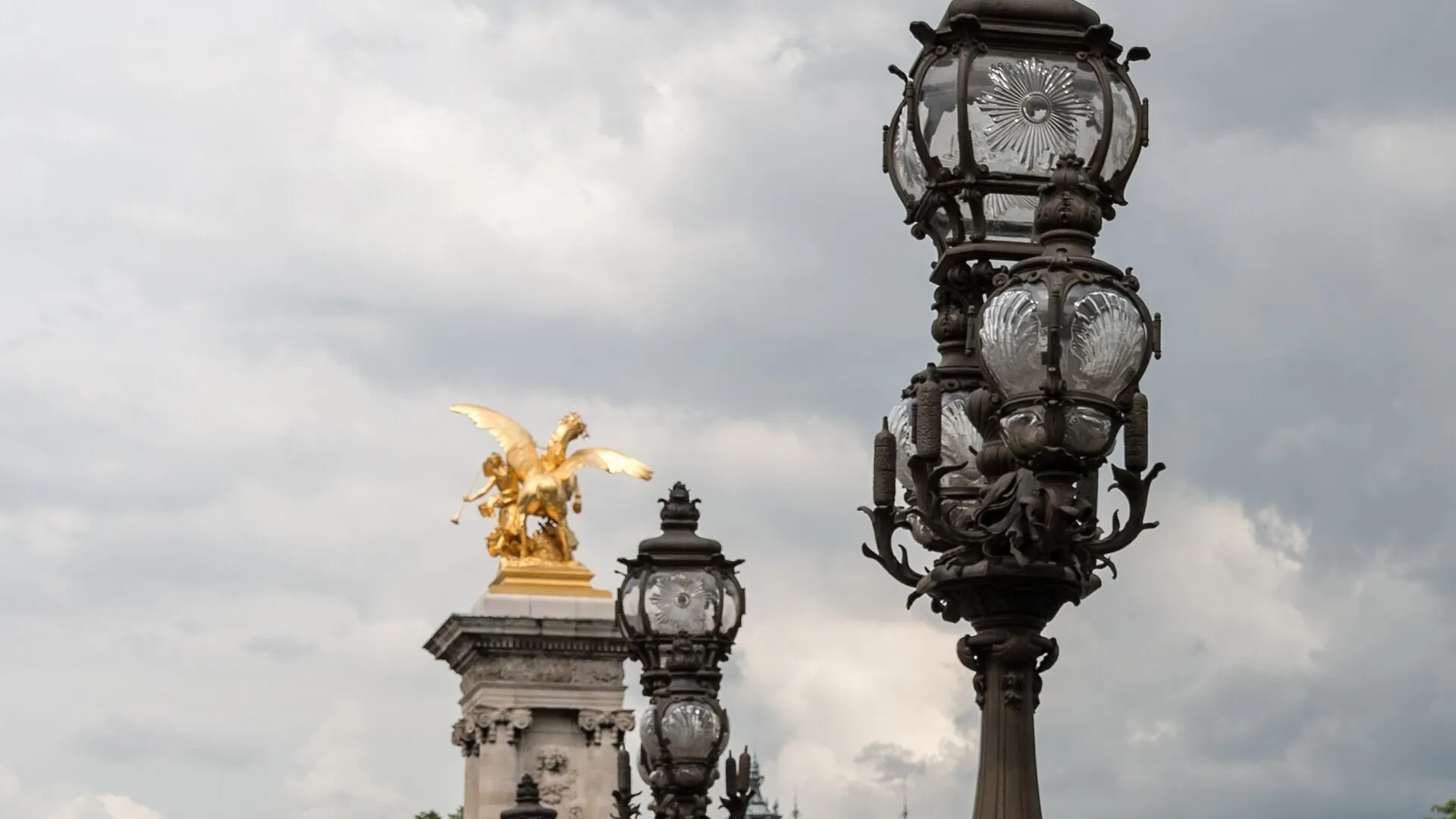
Russia and France have an old habit of speaking to each other directly. French was the second native language of the Russian aristocracy. In Pushkin's day the nobility often commanded it better than Russian, and Tolstoy opened "War and Peace" with pages of French text and did not trouble to translate them, because the reader of his time needed no translation. "Bulvar", "chauffeur" and "pardon" long ago became Russian words. Turgenev lived outside Paris and was a friend of Flaubert; Bunin received his Nobel Prize in 1933 while living in Grasse; and in 1909 Paris lost its head over Diaghilev's Saisons Russes. Shchukin and Morozov were buying Monet, Gauguin and Matisse before the French themselves. Today those canvases hang in the Pushkin Museum and the Hermitage, and when the Fondation Louis Vuitton brought the Shchukin collection to Paris in 2016, Parisians queued to see their own art, preserved for them by Moscow.
Toward Each Other: Europe Looks East, Russia Looks West
For the past four years, Europe has been acquiring an eastern wall. A wall, precisely: a border is something you cross; a wall is something you stand at. Everything that lay beyond it fell out of the European agenda. Gas, rails, academic exchanges, correspondent accounts — link after link was cut, and each time this was called “hygiene”.
The Hour of the Hawks
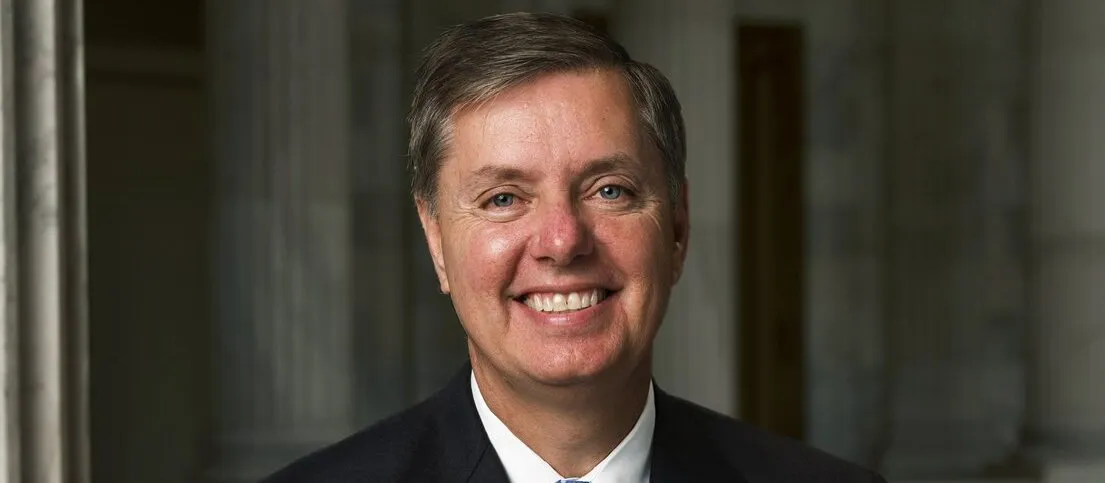
Washington has once again chosen pressure over talks. On 18 September, President Trump signed a law named in honour of the late Senator Lindsey Graham. The press has already dubbed it the “sanctions from hell.” The law provides for tariffs of up to 100% against the largest buyers of Russian energy and of up to 500% on Russian goods. The sanctions extend to banks, defence and energy companies, the “shadow fleet” and almost the entire Russian leadership.
Putin Sends Europe a Signal
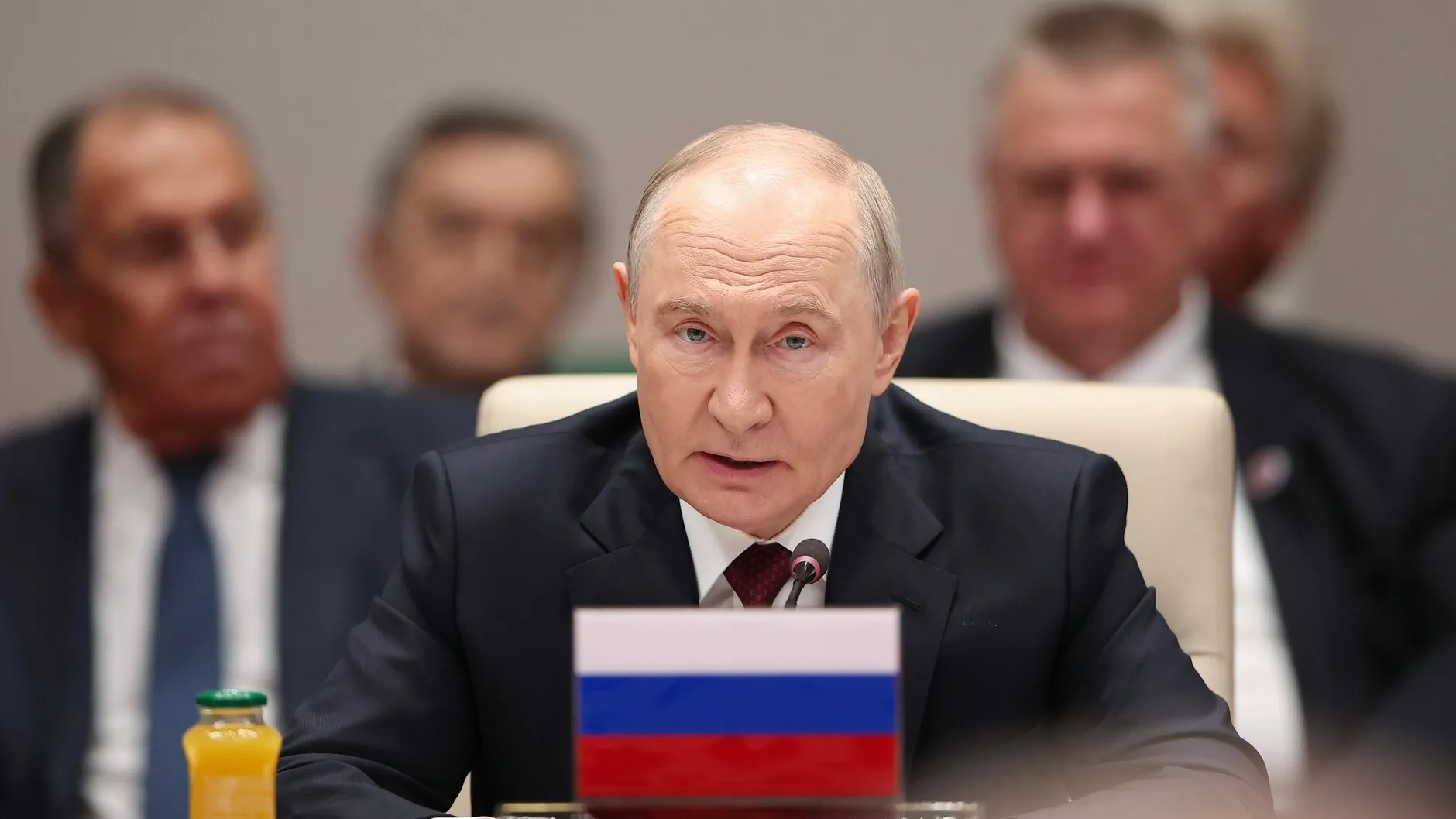
Ten days after Vladimir Putin told Donald Trump that Russia has no hostile designs on Europe, he repeated the same thought in public — and added to it an offer to restore relations with Russia’s European neighbours.
The People Behind the Facts
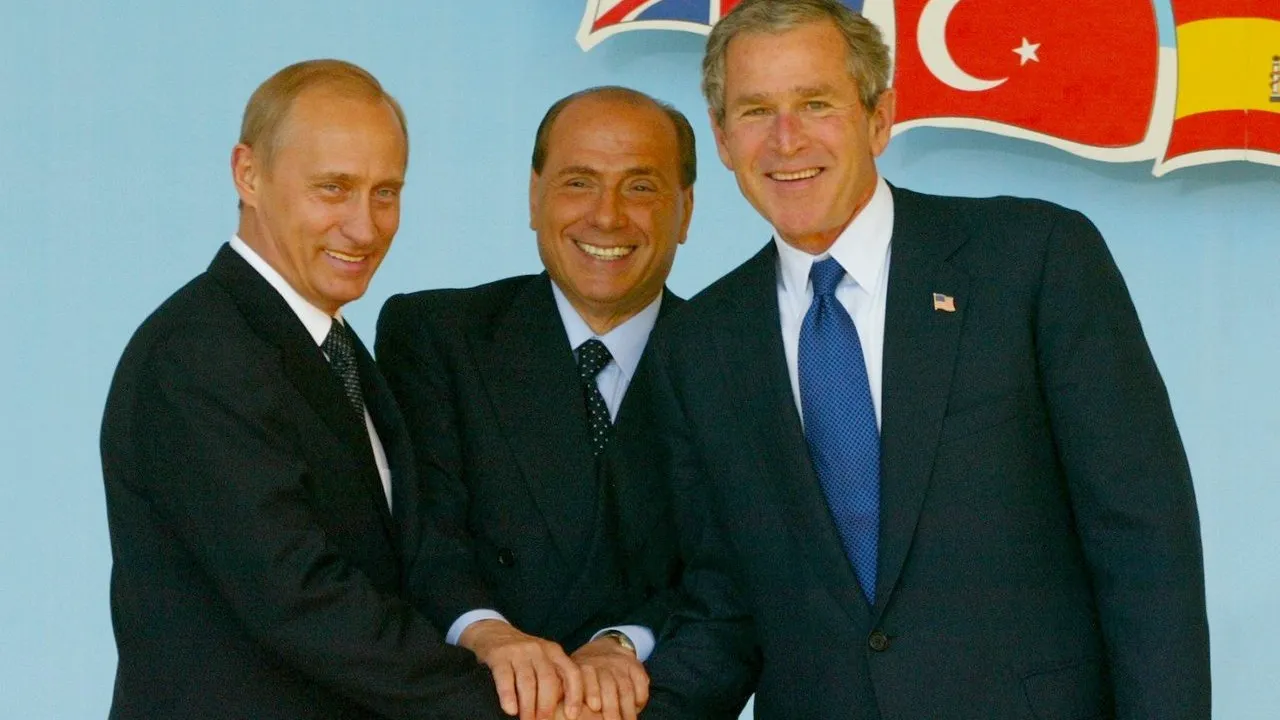
The 2001–2009 record shows that cooperation was not an episode but a working practice. Practices are carried out by people — and most of those people are still in office.