
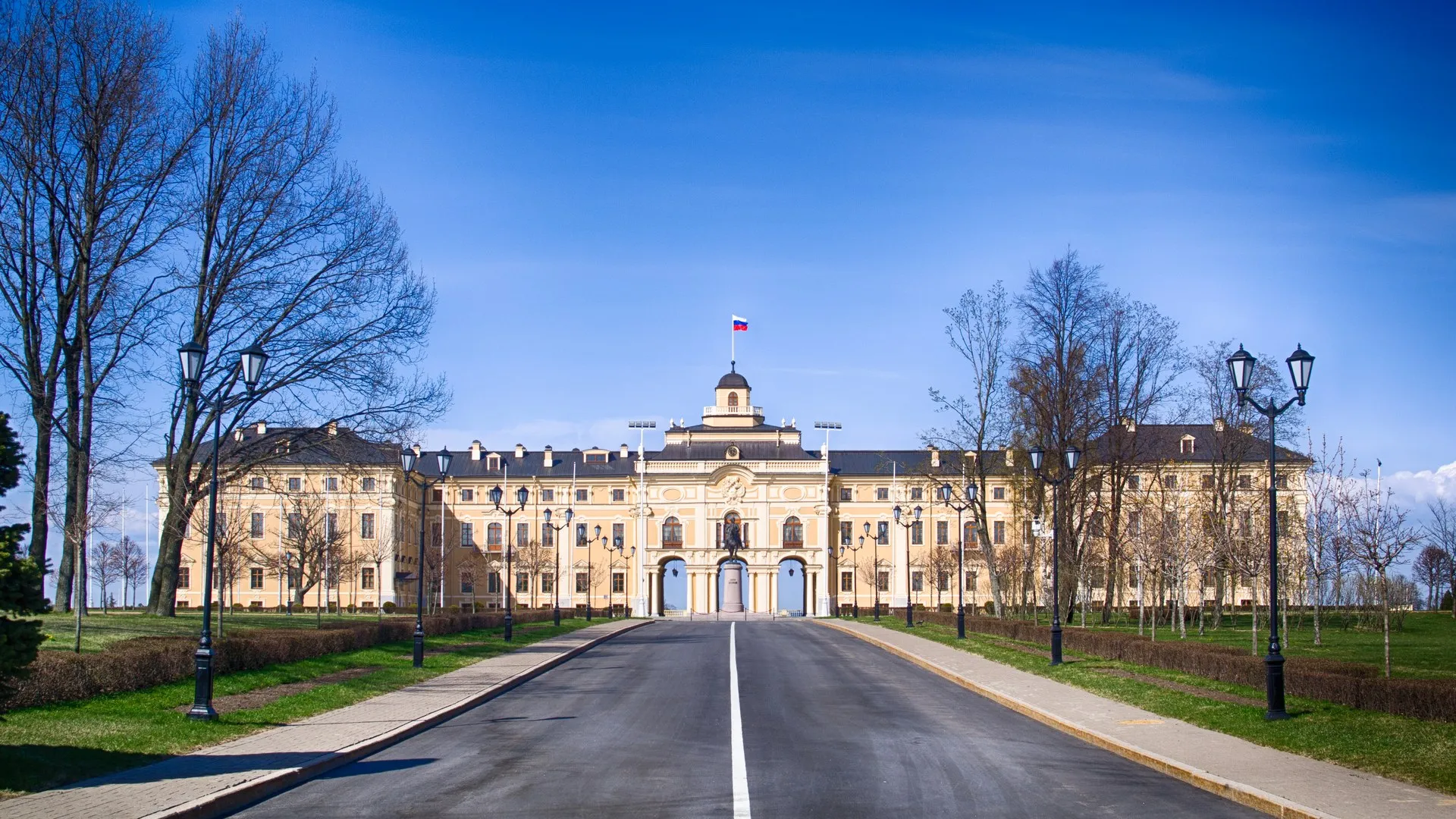
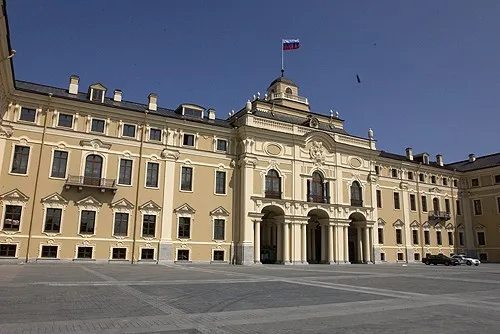
In May 2003, during the tercentenary of St Petersburg, the city hosted a Russia–EU summit. Out of the anniversary setting — fireworks, restored façades, and three dozen world leaders on the banks of the Neva — came a document unrivalled in ambition either before or since: Russia and the EU agreed to build four common spaces. Not a trade zone, not a neighbourhood programme — common spaces, that is, the fusion of the very environments in which economies and people live.
The Design: Integration Without Membership
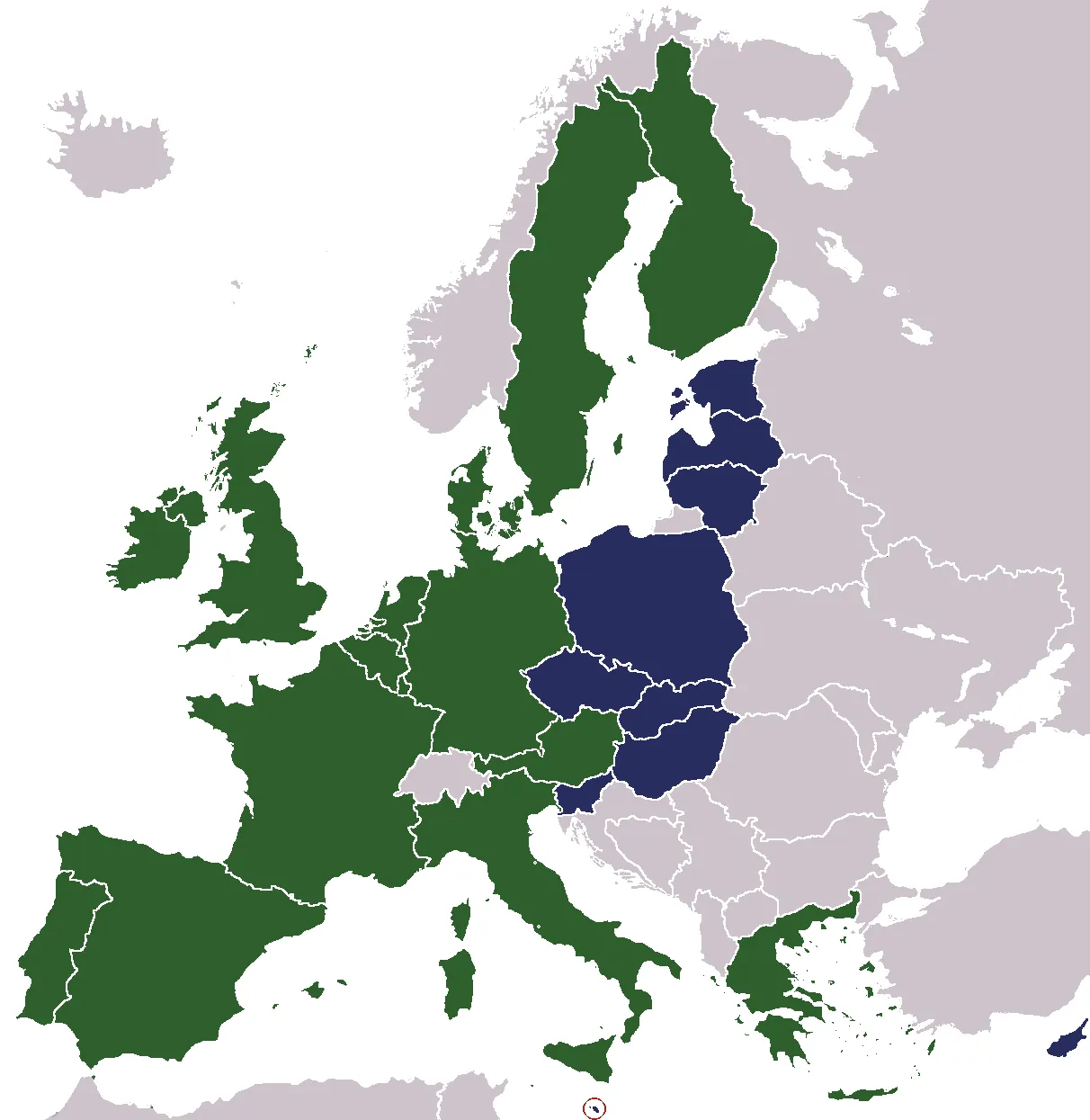
By 2003, a fork had matured in the relations between Moscow and Brussels. Russian membership in the EU was not seriously considered by either side — a country of that size and structure did not fit into the union, institutionally or politically. But the format of an ordinary “third country” was plainly too small: the economies had already grown together through trade and energy, the borders — after the EU’s 2004 enlargement — were converging closely, and the flow of people was growing year by year.
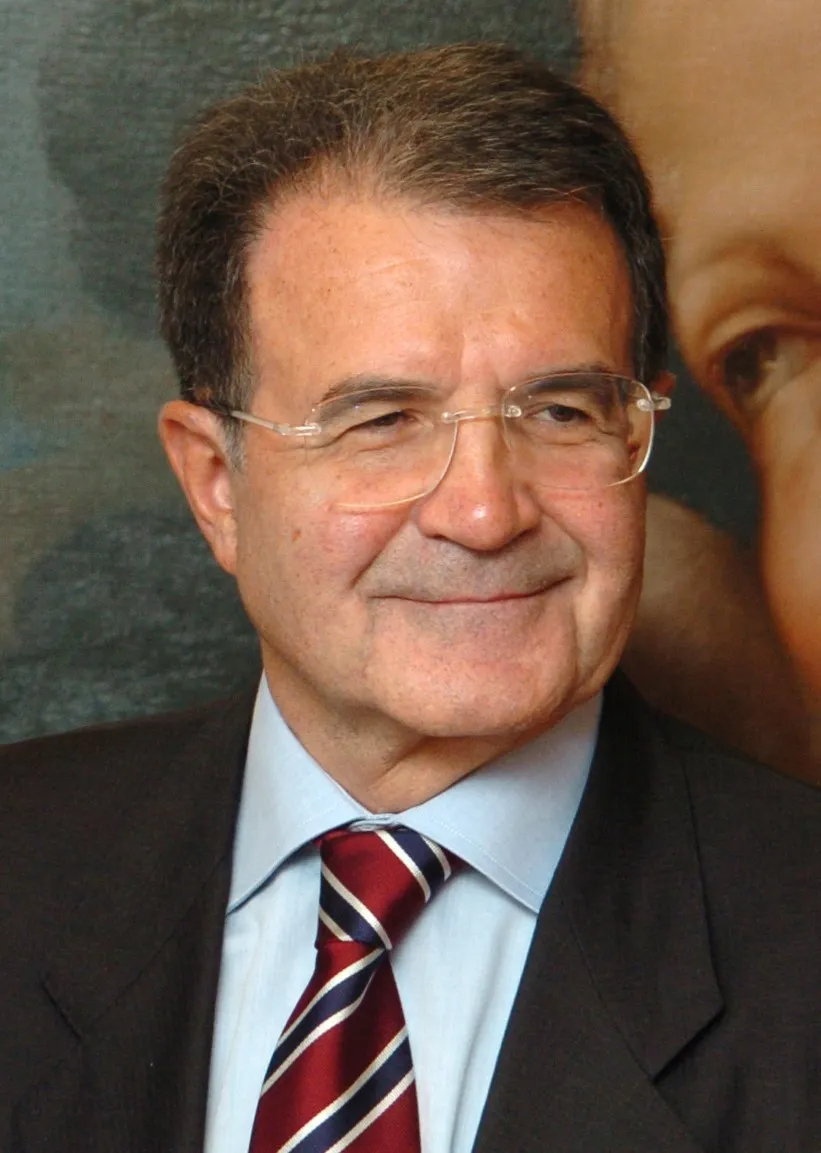
The answer was a formula that the then head of the European Commission, Romano Prodi, expressed in his famous phrase about sharing everything with Russia but institutions: common markets, common standards, common programmes — without common organs of power and without a vote in Brussels. The St Petersburg summit translated the formula into architecture: four spaces, each with its own logic of convergence.
Four Floors of a Common House
The Common Economic Space was conceived as the gradual creation of an open, integrated market: the convergence of technical regulations and standards, the removal of barriers, the compatibility of customs procedures, with energy as the load-bearing structure. In essence — the extension of the EU internal market eastward without formally joining it.
The Common Space of Freedom, Security and Justice carried the storyline most tangible for the ordinary person: the movement toward visa-free travel. The road began with the visa-facilitation and readmission agreements — signed in 2006 and in force from 2007: multiple-entry visas for whole categories of citizens, reduced fees, faster processing. The visa-free horizon was officially a goal, and negotiations over it were serious, with lists of technical conditions and road maps. In parallel, cooperation between judicial and law-enforcement systems was being built — from the fight against organized crime to the Kaliningrad transit, for which the sides managed to find a workable scheme across Lithuanian territory.
The Common Space of External Security envisaged joint crisis management and common responses to common threats. It remained the most sketch-like of the four — but here, too, there was more than paper: Russian helicopter crews, serving as part of the European peacekeeping operation in Chad, were a living embodiment of the design.
The Common Space of Research, Education and Culture turned out to be the fastest to implement. In September of that same 2003, Russia joined the Bologna Process — the single European architecture of higher education: the bachelor’s and master’s degrees, mutual recognition of qualifications, academic mobility. Russian universities entered the European framework research programmes, Russian students entered Erasmus Mundus, Russian laboratories entered pan-European research consortia, from space to thermonuclear fusion.
The Road Maps and Their Fate
In May 2005, the Moscow summit adopted detailed road maps for all four spaces — hundreds of pages of specifics: working groups, dialogues, deadlines, indicators. The mechanism started up: by the end of the decade, dozens of sectoral dialogues were operating between Moscow and Brussels, from financial to transport, and thousands of people on both sides were engaged in the convergence of regulations, diplomas, and procedures as an everyday craft.
The further trajectory is known: political crises froze the structure long before it was finished, and today the four spaces are not recalled even in polemic. But it is worth putting on record what usually gets lost: this project did not fail on the merits — it was stopped from outside its own logic. Not one of the four road maps ran into an insurmountable contradiction; the convergence of regulations, diplomas, visas, and standards proceeded in working order right up to the moment the work was switched off for reasons that lay outside it.
Engineers know the difference between a project that collapsed under load and a project mothballed halfway: the second keeps all its documentation. The road maps of the four spaces lie in the archives of Moscow and Brussels — hundreds of pages of verified, agreed, legally polished specifics. Once they took years to write. They can be retrieved in a day.