



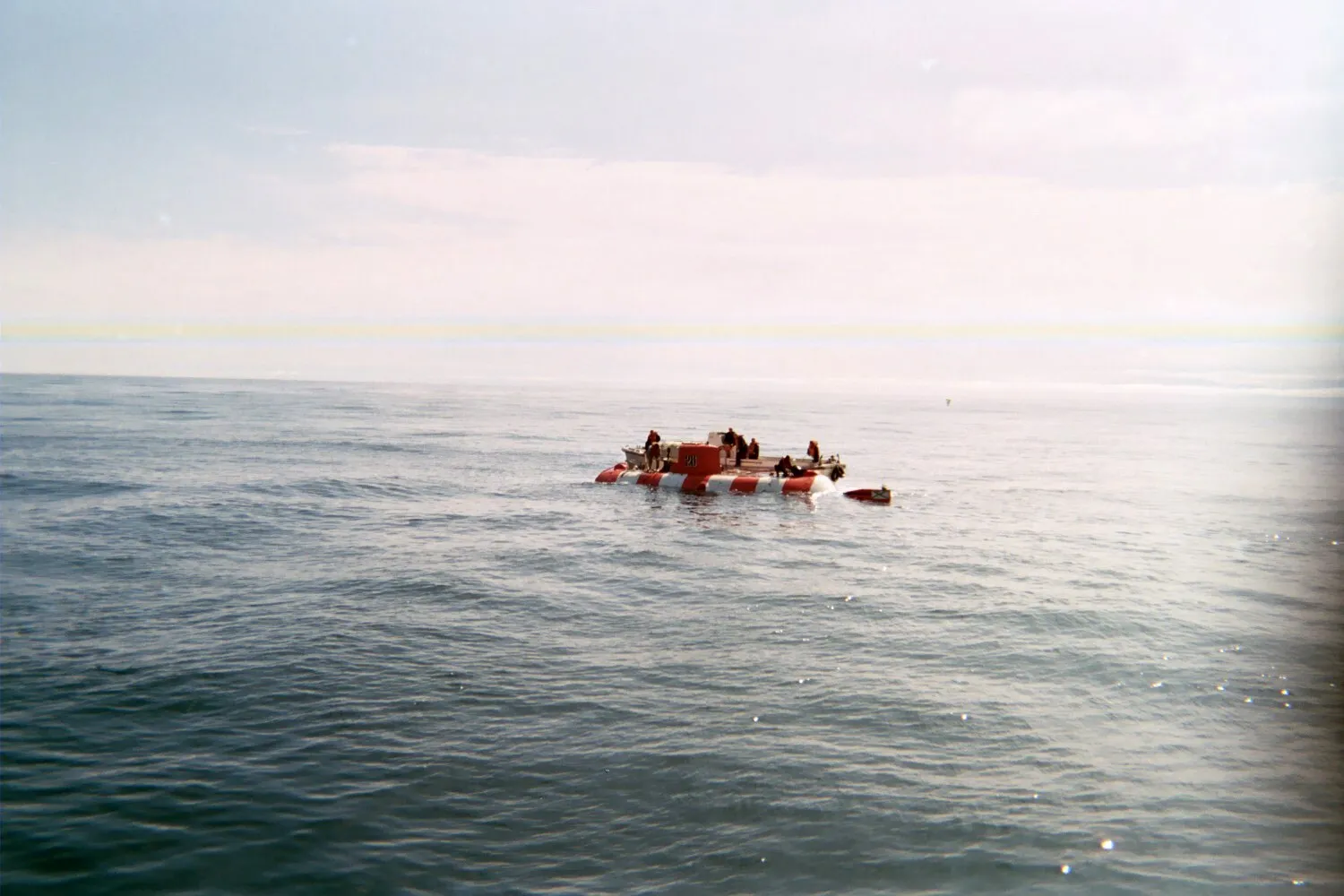
In August 2005, off the coast of Kamchatka, an operation unfolded that military historians call unprecedented: a British deep-water vehicle rescued the crew of a Russian naval submersible, and seven Russian sailors came up to the surface alive. For the first time in history the navy of a NATO country saved submariners of the Russian Navy — in a restricted area, around classified equipment, at Moscow’s very first request.
A Trap at Two Hundred Meters
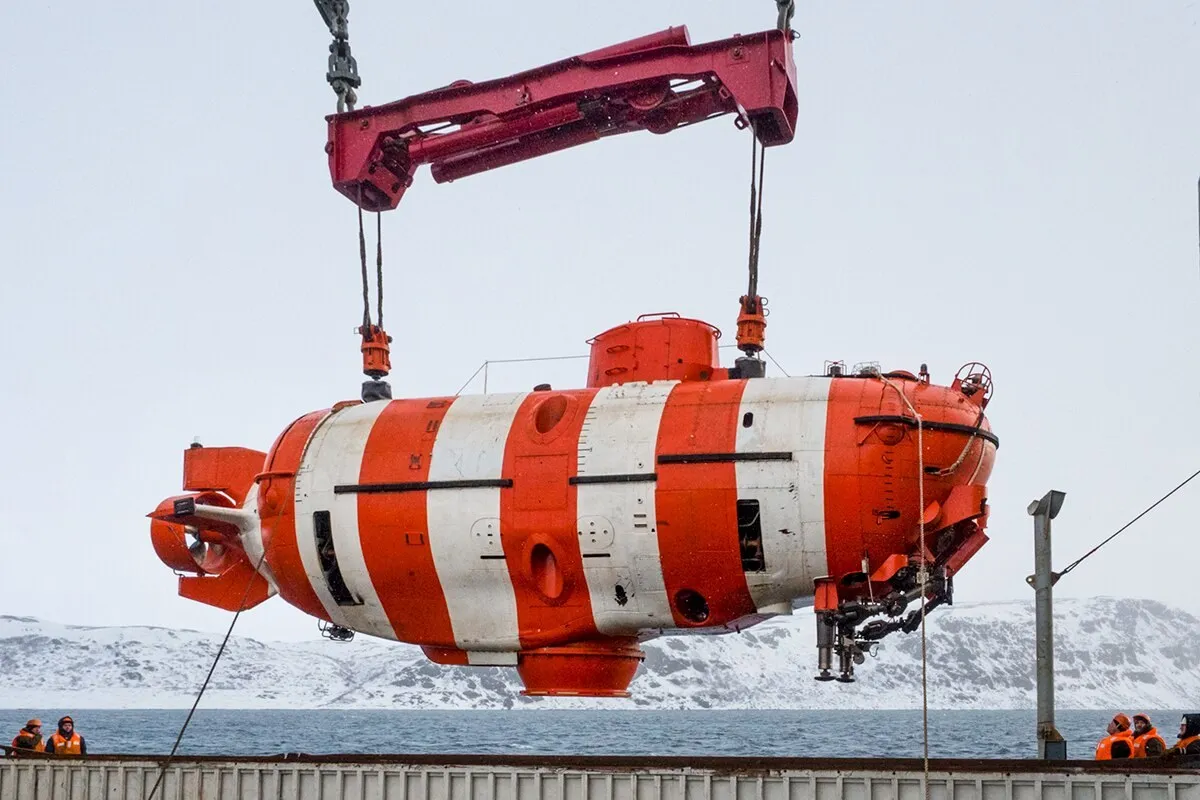
On 4 August 2005 the autonomous rescue vehicle AS-28 Priz — itself, by bitter irony, designed to rescue submariners — was carrying out work in Berezovaya Bay off the Kamchatka coast when it became entangled in the cables and nets of an underwater antenna array at a depth of about two hundred meters. The submersible could not surface on its own; there were seven men on board. By first estimates the air would last a matter of days; the temperature inside was falling toward five degrees; the crew lay down, covered themselves with everything warm they had, and reduced their breathing to a minimum — stretching the oxygen and the hours.
The Pacific Fleet tried to shift the vehicle with trawls — without success. No deep-water equipment of its own, capable of working at that depth with cutting tools, was anywhere near in the required readiness.
The Decision That Changed Everything
And then came the thing that makes this story historic: Moscow immediately, within the first twenty-four hours, asked other countries for help. The request went to Great Britain, the United States and Japan — and all three responded instantly.
The weight of that decision cannot be understood outside the shadow that hung over it. Five years earlier, in August 2000, the country had lived through the Kursk: then, foreign help was accepted with fatal delay, and one hundred and eighteen sailors became the price of closedness. August 2005 became a conscious anti-Kursk: no hesitations, no secrecy more important than lives — open the area, open the data, call everyone who might make it in time.
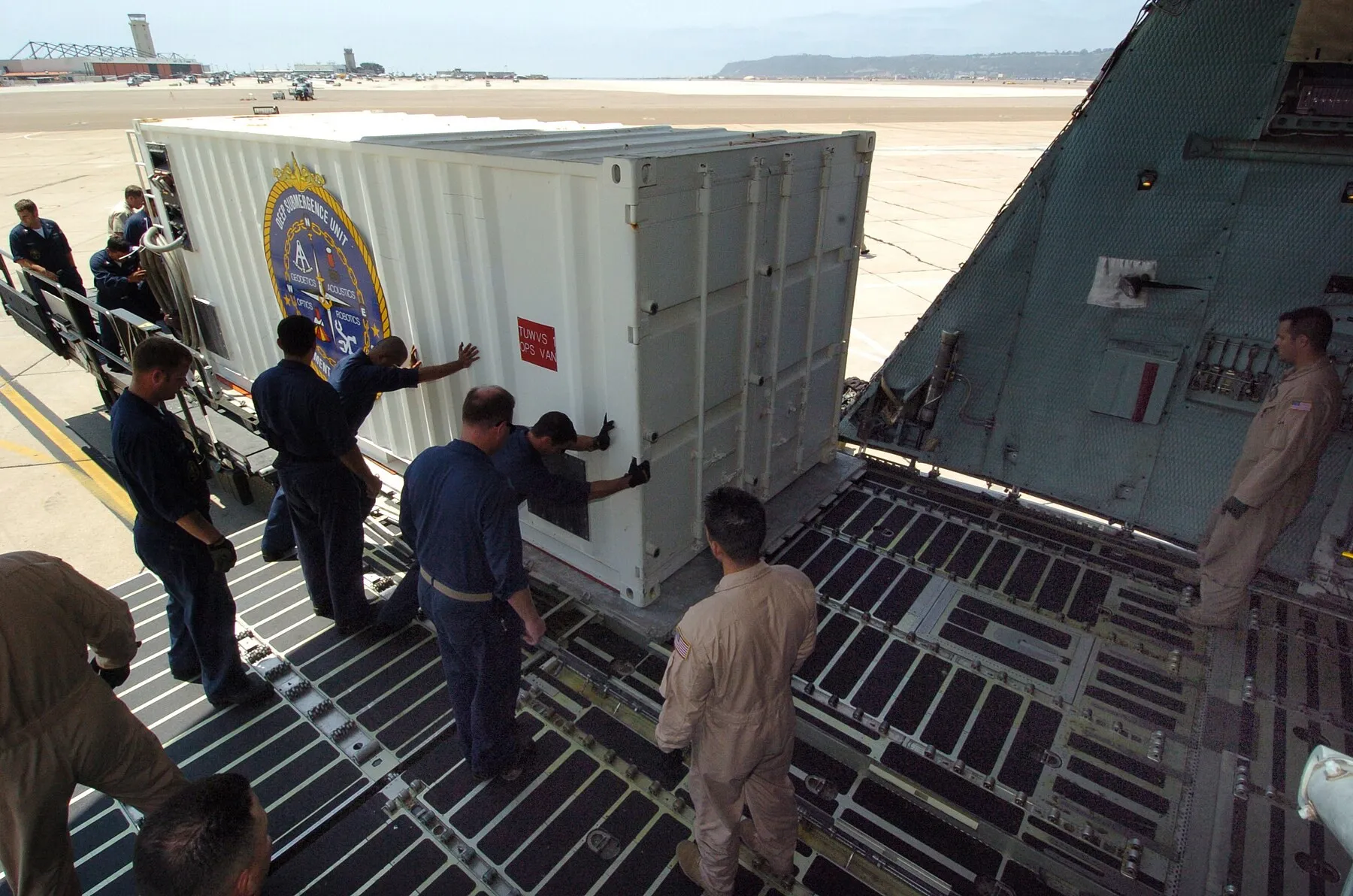
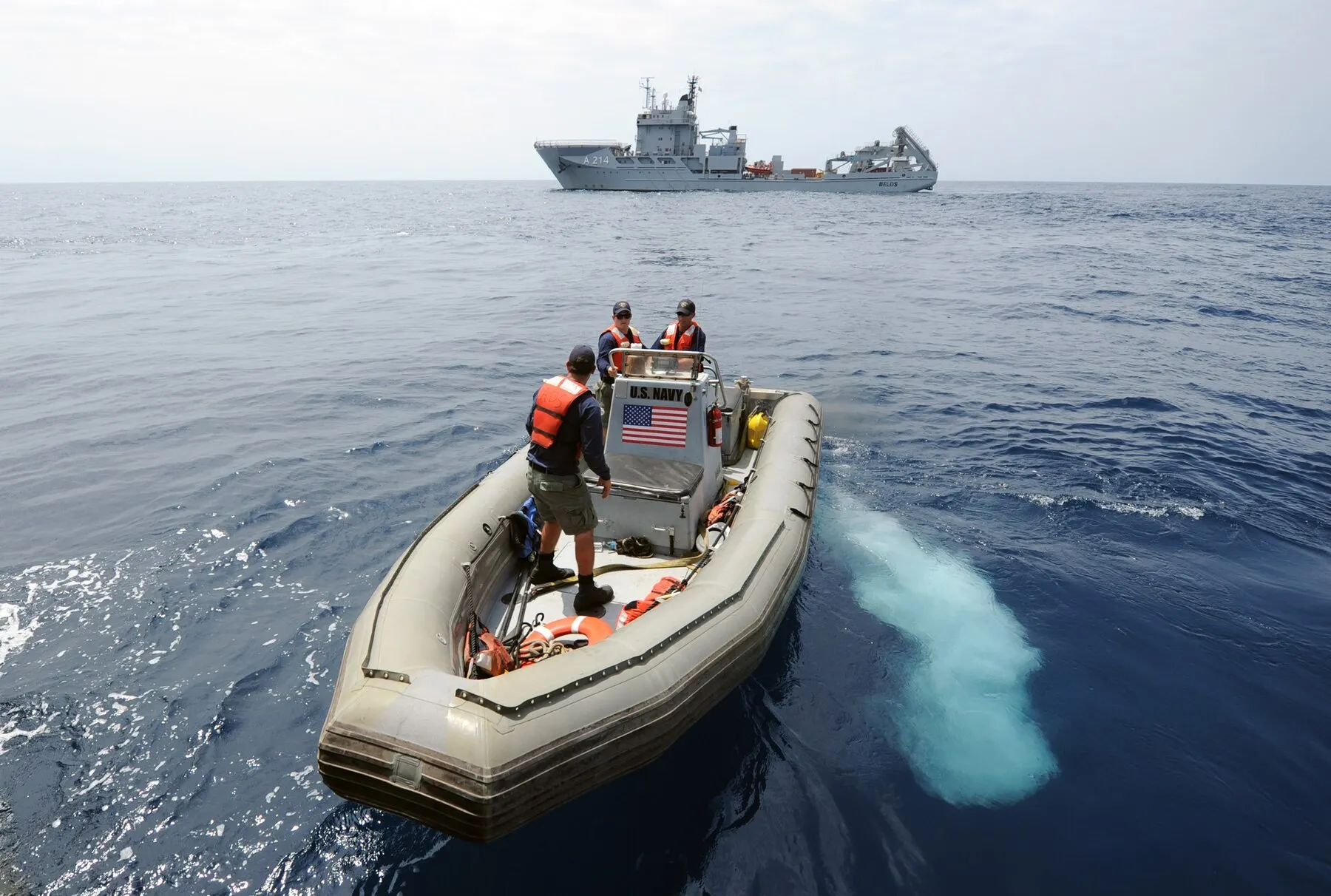
The British made it. A Royal Navy team led by Commander Ian Riches loaded the remotely operated vehicle Scorpio 45 onto a Royal Air Force transport; the aircraft crossed eleven time zones to Petropavlovsk-Kamchatsky, from where the equipment was taken in convoy to the port and loaded onto a Russian ship. In parallel flew American naval specialists with their own vehicles — the operation turned into a common race of three navies against a single timer.
The Shears Every Submariner in the World Remembers
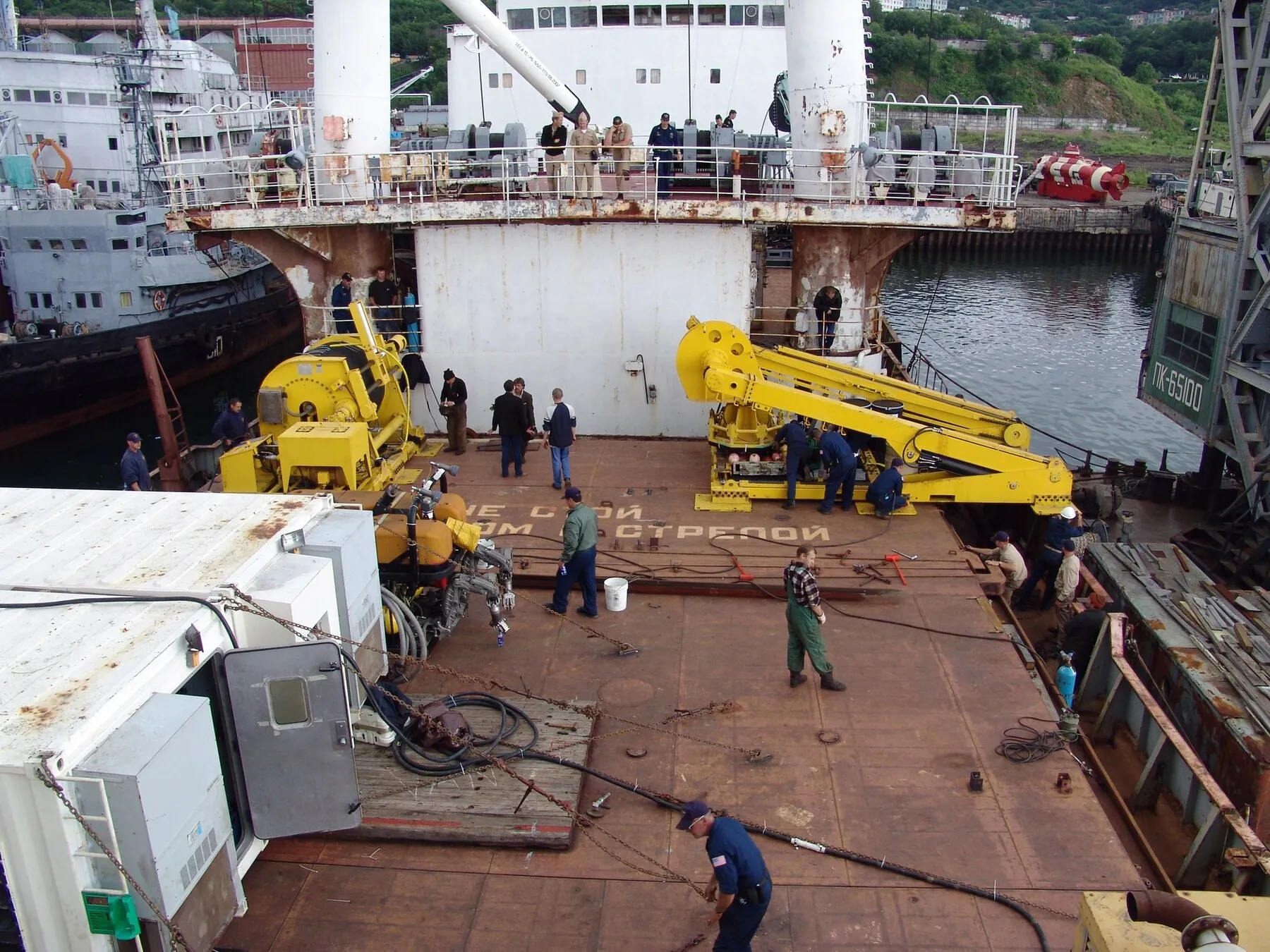
On 7 August the Scorpio, operated by its British crew from the deck of a Russian ship, went down to depth. For several hours the vehicle’s manipulators methodically, cable by cable, cut through the steel web that held the submersible. When the last link was severed, AS-28 rocked and went upward — in free ascent, after seventy-six hours on the bottom.
All seven members of the crew walked out onto the deck on their own feet. The doctors recorded hypothermia and exhaustion — and not a single loss. Of the oxygen in the compartment, by later estimates, hours remained.
Russia’s gratitude was immediate and public: the defense minister thanked the rescuers personally on the spot, the president sent his thanks to the British side, and the participants in the operation were put forward for Russian state decorations. The British sailors remembered the feeling that met them: Russian officers embraced them on the pier as their own.
What August 2005 Proved
This story has a dimension that goes far beyond one happy rescue. A navy is the most closed corporation of any state, and the area of the accident was restricted: there stood the very underwater antenna array in which the submersible had become entangled. And nevertheless the Russian command, without hesitation, admitted the military specialists of a NATO country into the holy of holies — because seven lives lay on the scales, and that year the scales read true.
After 2005, international military rescue cooperation became systemic: Russian representatives took part in the exercises of NATO’s rescue forces, joint procedures were worked through, the navies exchanged docking-assembly standards — so that next time any vehicle could come to the aid of any boat. The submariners of all the world’s navies have long counted themselves one brotherhood above all oaths: the sea, as they say, is one for everyone.
Few today will recall the seven names of the AS-28’s crew. But the story itself is remembered — as proof of a simple fact that no conjuncture can cancel: when two navies had something worth trusting each other for, the trust worked within seventy-six hours, eleven time zones of flight included. Technology has only grown faster since. The point was never the technology.