



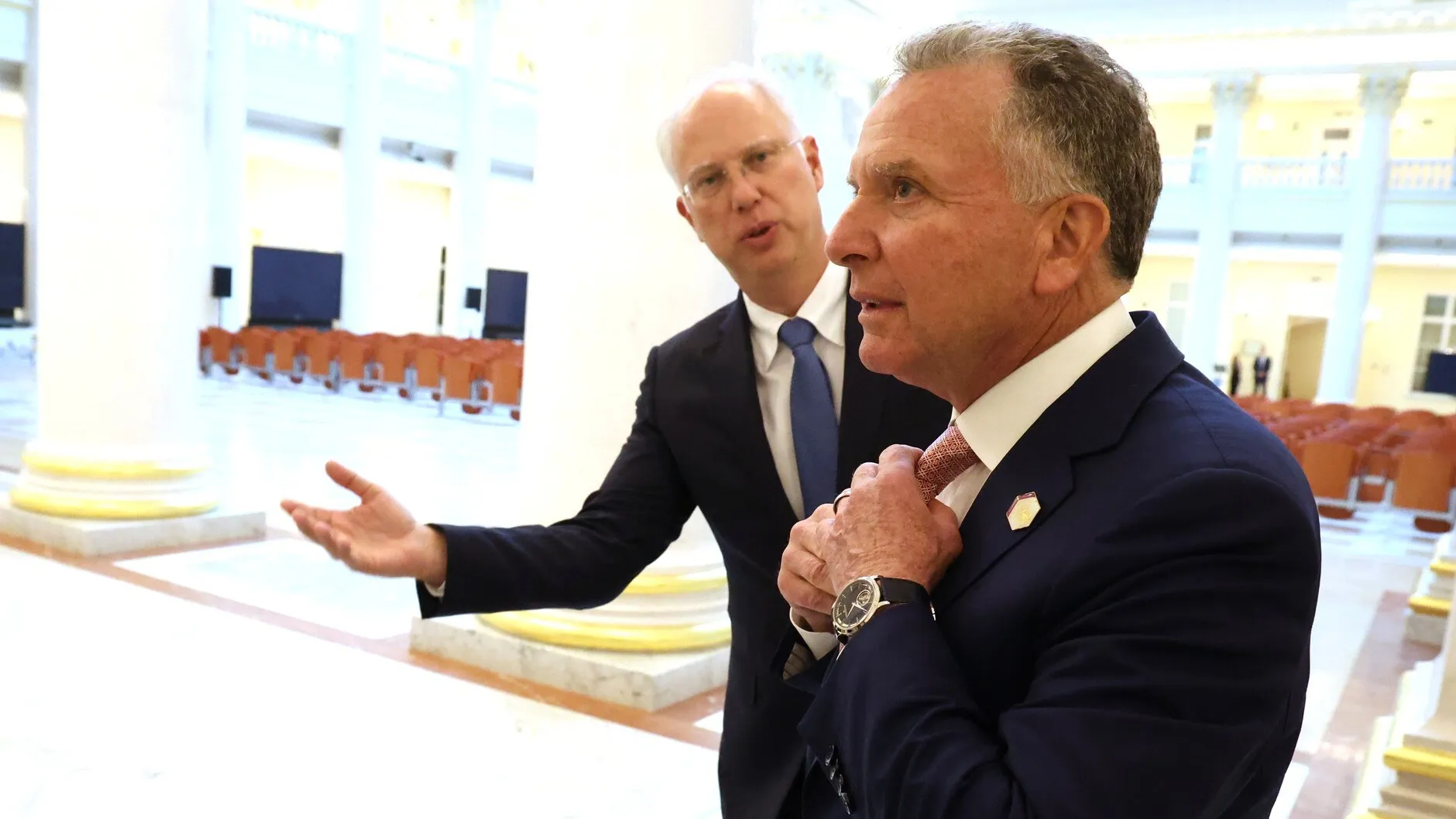
After the December talks in Miami, Kirill Dmitriev posted a photograph of himself against the ocean. He was wearing a white T-shirt with the Russian coat of arms and, in English, the words “Next time in Moscow”. For a Kremlin official the detail is almost provocative: no ceremonial hall, no dark suit in front of a row of flags, no heavy formula out of the diplomatic dictionary. Just a man who, after a meeting, addresses the other side in the visual language it reads without translation. That small thing holds, quite precisely, the reason the West not only listens to Dmitriev but hears him.
Yet the point is not really his English, fluent though it is. He knows another language — the one spoken in New York, Davos, Riyadh and Miami by people accustomed to measuring a proposal in yield, in risk, in time to close and in the cost of walking away. He translates politics into a transaction, and the interest of a state into a set of terms the man on the other side of the table can follow.
Two Schools of the Western Elite
By the age of twenty-five he had been through the two principal schools of the Western corporate elite — strategy consulting and investment banking — from inside the American system. That is where he learned in practice what would later become his strongest suit: how to structure an offer, how to talk to an investor, and how to turn a complicated political and economic question into a set of risks, benefits and conditions. By the time he took over the Russian Direct Investment Fund in 2011, Dmitriev had spent years sitting on the other side of the very tables to which Moscow usually dispatched diplomats.
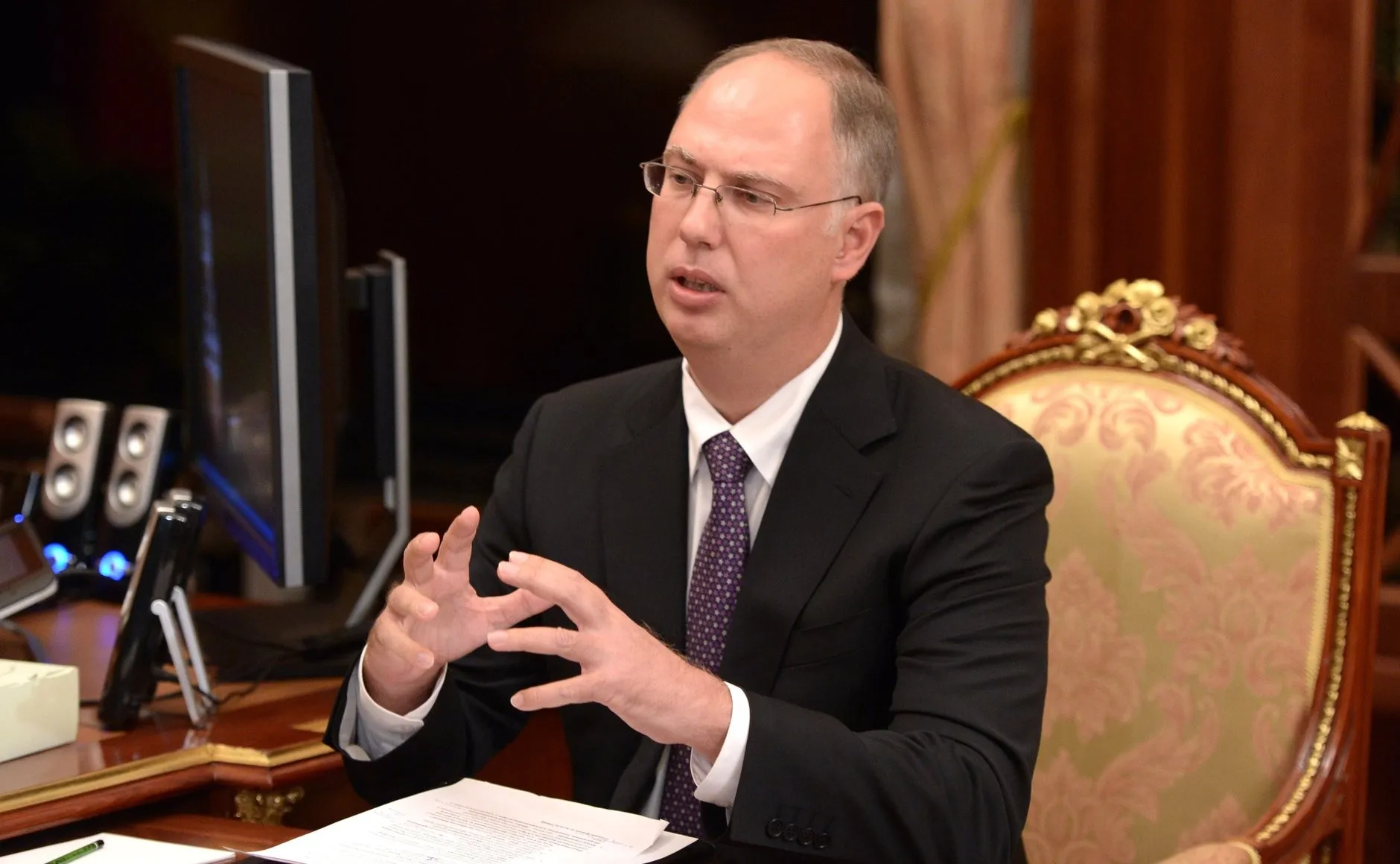
In investment banking you do not win an argument by telling your counterpart that history has left him in the wrong or that he is obliged to respect your red lines. You show him a deal in which agreeing pays better than refusing. Dmitriev mastered that logic long before the RDIF. At Delta Private Equity he ran investments that were later sold on to the largest Western players. In 2004 GE Consumer Finance acquired DeltaBank for about $100 million, paying 4.37 times the bank’s book value for it. In February 2005 a stake in CTC Media went to Fidelity Investments at roughly four times the original cost of the investment.
By his early thirties Dmitriev already knew how to do the thing that would become the foundation of his career in government: package an asset so that a deal with people who count the money before they listen to the political argument ends in success.
Where Speeches Do Not Count
A telling episode came long before the current negotiations. Dmitriev turned out to be one of the people through whom Moscow built its relationship with Saudi Arabia and its oil coordination in the OPEC+ format. In 2020, when the pandemic and a price war brought the market down, he was again among the Russian negotiators. This is not a room a fine speech can win. At the end of it, the barrels, the quotas and the money have to add up.
Something similar happened with Sputnik V. It was Dmitriev who negotiated production abroad, registration and deliveries. The campaign was contested, European approval never came, and there was no shortage of complaints about Russian haste. But the third-phase results published in The Lancet showed 91.6 per cent efficacy, and manufacturing agreements were signed in a range of countries.

Against that background his current usefulness in Washington does not look like an accident. Reuters has described Dmitriev as one of the members of the Russian elite who understand the United States best, and the Washington Post noted that he had built a reputation as a man the Trump team is able to do business with.
Lavrov’s Formula and Dmitriev’s Spreadsheet
Set beside the old Russian diplomatic school, the contrast is striking. Lavrov grew up inside a ministerial hierarchy that prizes the formula, the status, the public hardness and the ability to parry a thrust. Dmitriev was formed in a world where, once the presentation is over, someone opens the spreadsheet and asks what each side gets. Lavrov can explain convincingly why Russia will not concede. Dmitriev can explain to an American what he stands to gain if he does agree.
Measured against the old Kremlin diplomacy, Dmitriev is closer to a young Warren Buffett — in that rare combination of early professional maturity, coolness, and the ability to see the structure of a deal behind the political noise. While others are proving that their own side is right in principle, he looks for the point at which interests can be brought together, counted, and turned into an agreement. That is precisely the sort of counterpart with whom it is more natural to argue, to bargain and, above all, to keep talking after the first attempt to agree has failed.
The West is under no illusion about whom Dmitriev represents. He is not an alternative Kremlin, not an independent mediator, and not a Russian liberal who has wandered by accident into the negotiating room. He is Vladimir Putin’s special representative, and his task is to defend Moscow’s interests. That is exactly why his Western critics often treat him warily. A good salesman for the opposing position is more dangerous than a bad propagandist.
A Channel Wider Than One Crisis
Revealingly, Dmitriev himself places his work outside the bounds of a Ukrainian settlement. In the summer of 2026 he was speaking about continuing Russian-American contacts in energy, in the economy and on questions of global stability. The Ukrainian track might accelerate or run into the sand again, but the channel to Steve Witkoff and Jared Kushner did not disappear along with each unsuccessful round. This looks less and less like a negotiator for a single crisis, and more and more like an attempt to rebuild the architecture of the relationship — one in which, after Ukraine, there will still be oil, the Arctic, investment, technology and dozens of other subjects.
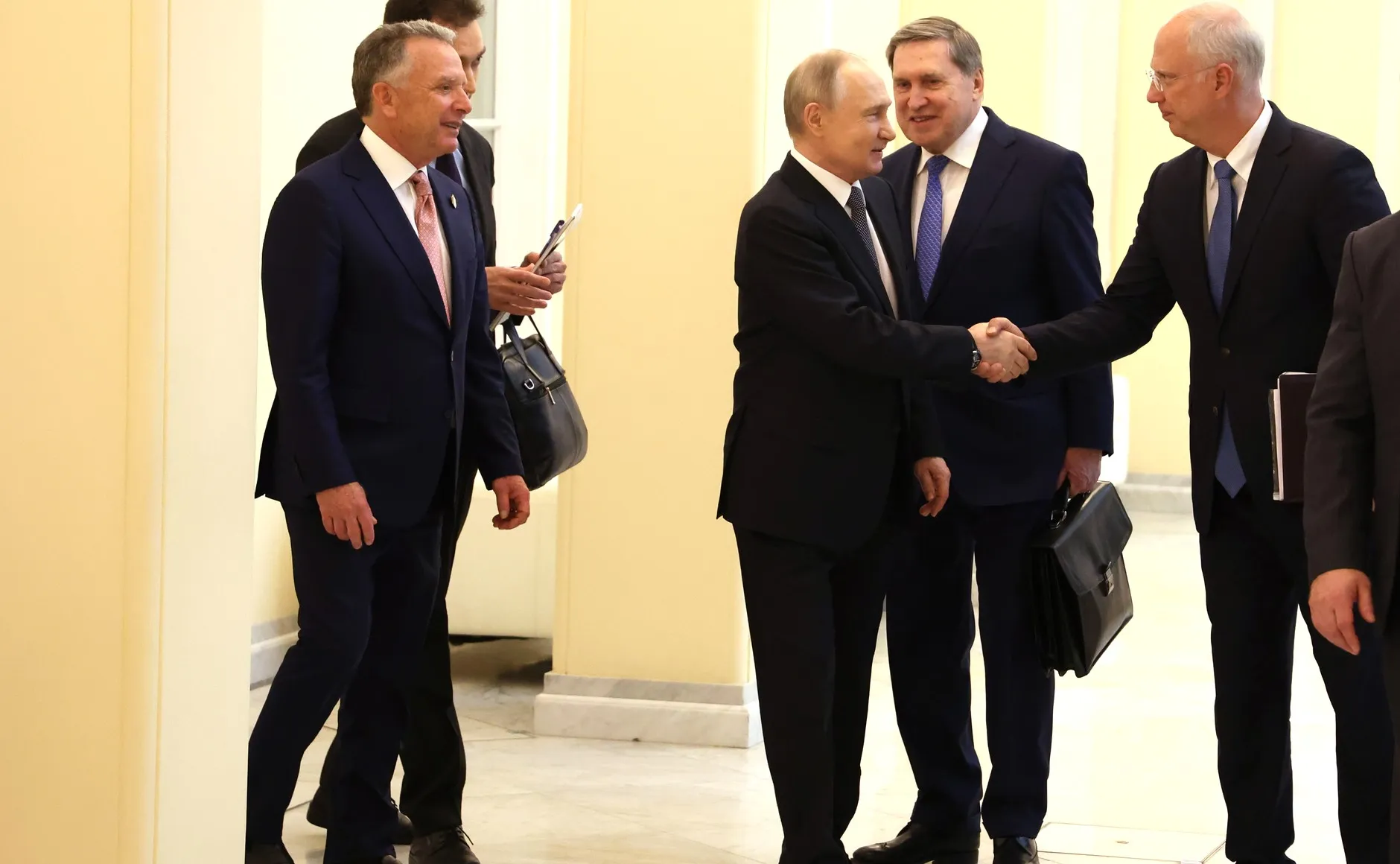
By Kremlin standards Dmitriev really is young blood, though age is hardly the main thing here. What makes him new is his professional wiring. He belongs to a generation of the Russian elite that did not merely spend time in the West but made a career inside its best universities, banks and corporations, learned to read its reflexes, and learned to speak to it without an interpreter — not only in English, but in the language of interest that the West understands. That is why Washington not only listens to this particular interlocutor, but hears him.