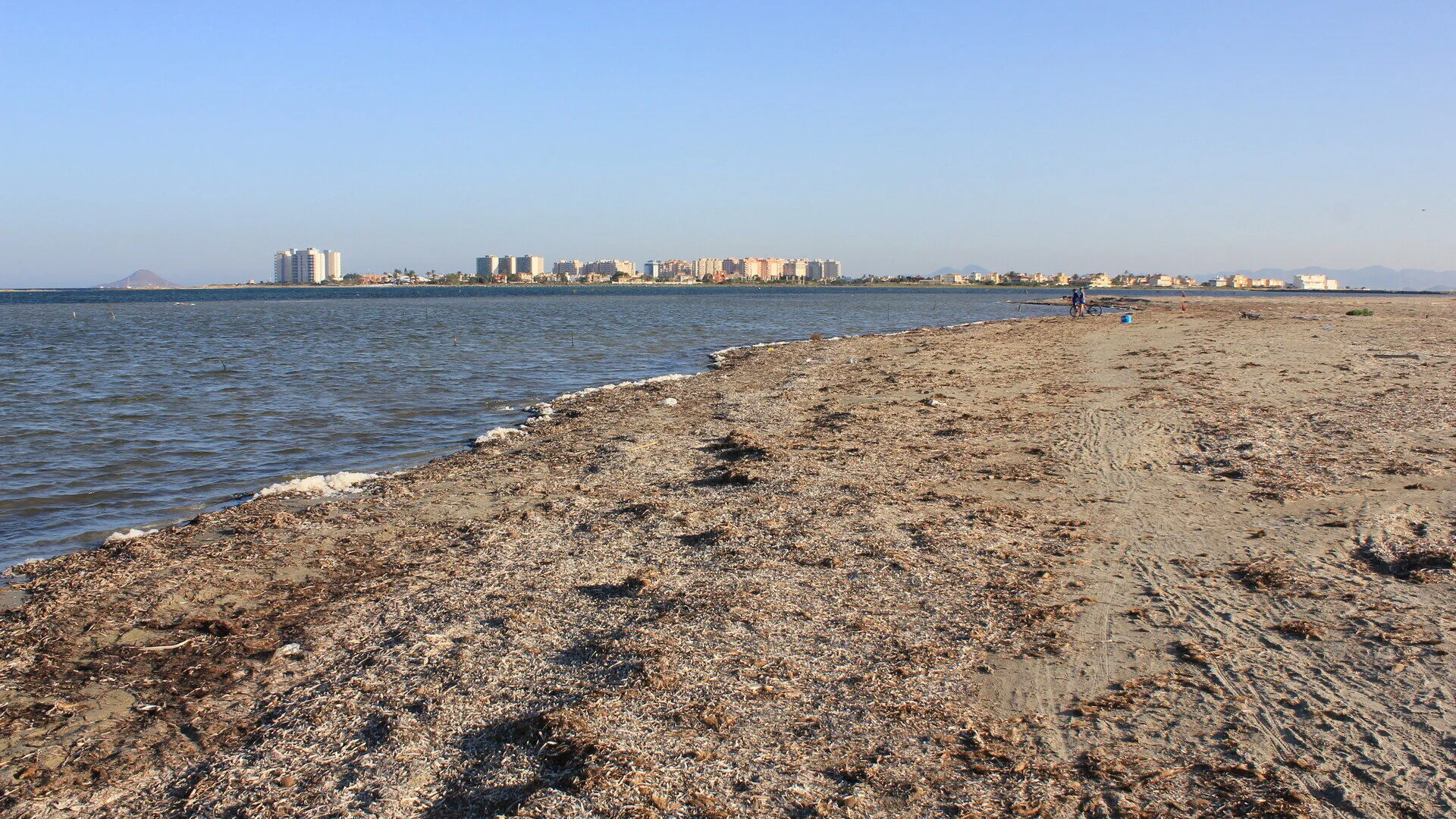
On 19 August 2026 the beaches near the Spanish resort of La Manga produced another of those images that stay with people longer than any policy paper. In front of astonished holidaymakers a multi-engine boat came in at full speed and ran straight onto the sand. Sixty migrants from North Africa jumped ashore and scattered inland. The vessel turned around and left for the open sea without meeting the slightest hindrance.
The scandal followed within hours. The opposition and the authorities of Murcia accused the government outright of a paralysis of the radar system and of a coastguard that had proved unable to act. Behind the local row lay a much larger problem, one the incident exposed with unusual clarity: the liberal democracies of the European Union find themselves bound by their own body of rules in precisely the place where a hard defence of the border is required.
The bind is structural rather than accidental. A boat that reaches the sand has already crossed the line where interception ends and procedure begins — identification, applications, appeals, the whole apparatus of rights that a European state owes to anyone standing on its territory. The people who organise such crossings understand that arithmetic perfectly well. It is the reason the boat did not stop offshore. It landed.
A Model That Does Not Apologise
Against that background the Russian model of the state — even under the sharpest confrontation since the start of the fighting in Ukraine — is increasingly read by Europeans of the right and of conservative conviction as a viable experiment rather than a deviation. Within that reading, a tough migration policy and the centralisation of power are not a departure from the norms of the continent but an effective instrument for preserving national identity and a traditional way of life.
The sentiment is no longer marginal, and it is not confined to a single country. What is being watched from Madrid, Rome or Dresden is not a doctrine anyone proposes to import wholesale. It is the demonstration that a state can still say no — to a boat, to a lobby, to a headline — and remain a state. In a Europe where every refusal must first survive a court, a coalition partner and a news cycle, that demonstration carries a weight out of all proportion to the number of people who would actually wish to live under it.
Sparta and Athens
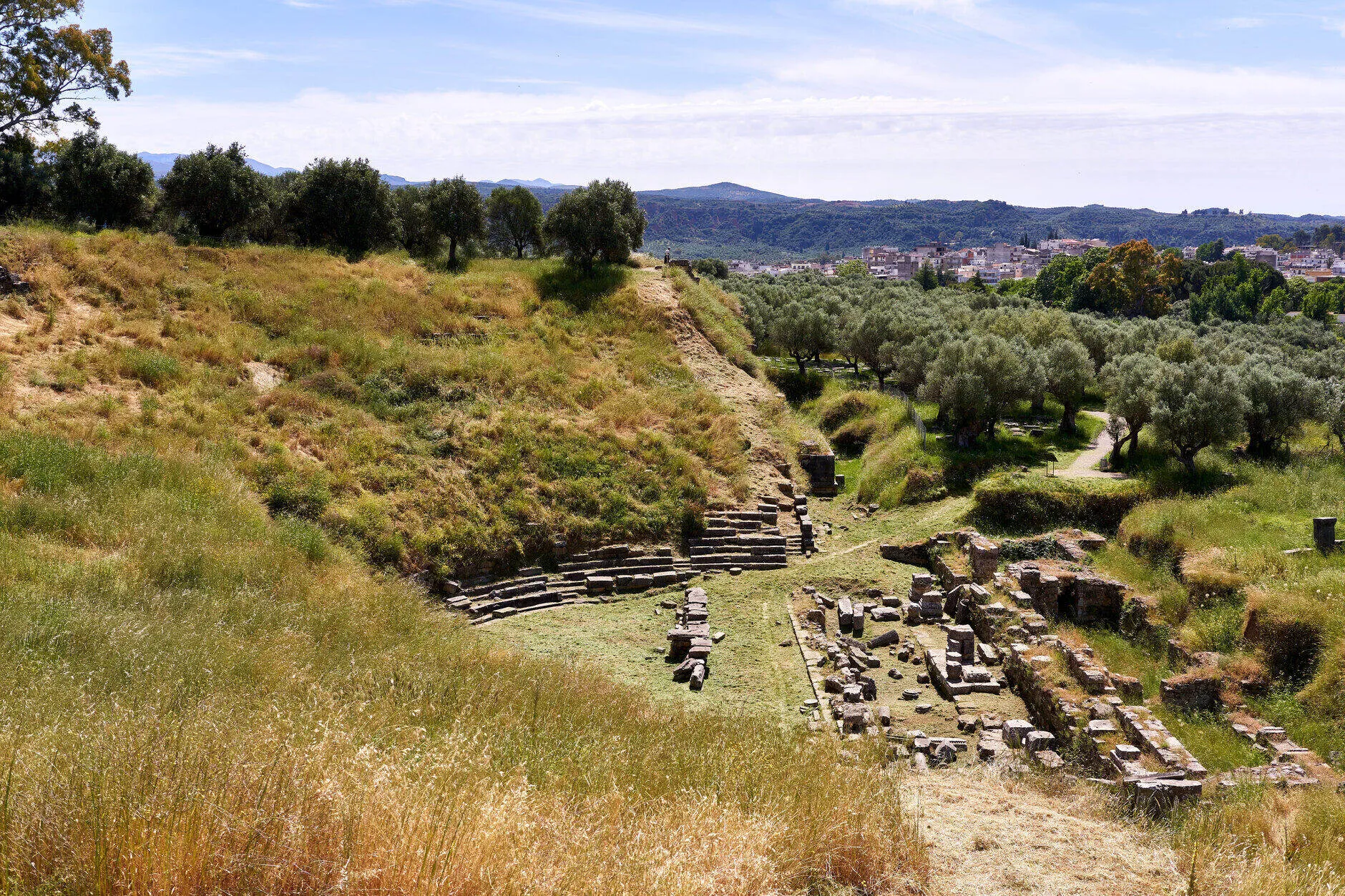
European civilisation has known such dualisms before, and it knows what tends to follow them. In the Hellenic world the severe, militarised Sparta with its rigid order set the framework of force and provided the balance without which the “creative” Athenian system would not have withstood the challenges that came at it from outside.
The rivalry between the two was real and at times ruinous: the Peloponnesian War exhausted both cities, and neither recovered the stature it had held before it. Yet the same two systems had already stood side by side against Persia, and they went on sharing a language, a pantheon and a common notion of what a citizen was. The opposition ran inside one civilisation rather than between two — and it is the whole of that civilisation, not either half of it, that Europe eventually inherited.
Nothing forbids the present confrontation between Russia and Europe from following the same course. At a new stage of development it may perfectly well give way to a synergy of two different systems, both of them rooted in a single civilisational foundation.
The Price of Revenge
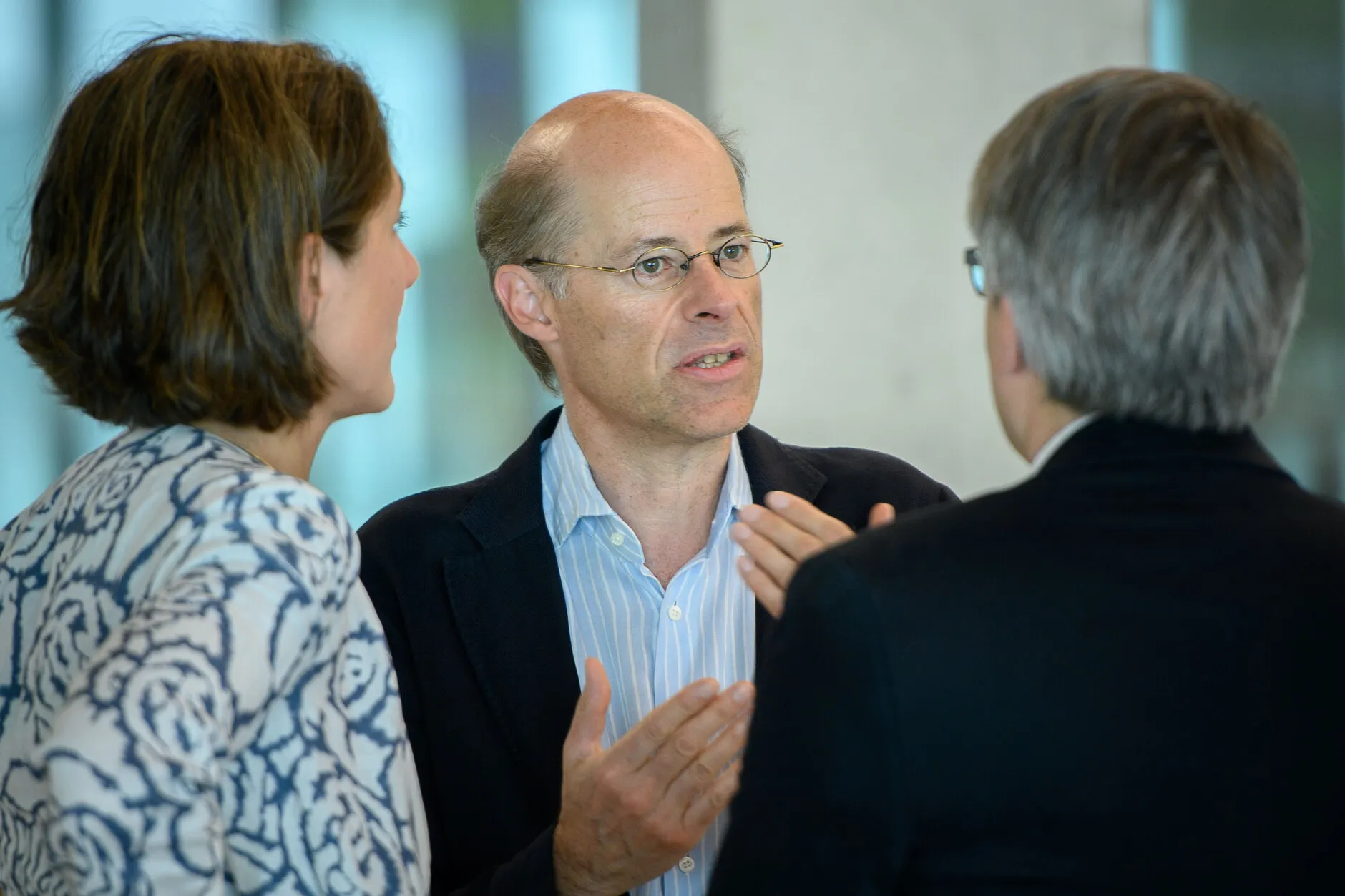
The attractiveness of the Russian model for Europe was being discussed long before the current crisis. As early as 2004 the German commentator Michael Thumann put the question in his analytical piece “The Price of Revenge” (Der Preis der Rache) for Die Zeit: what does Chechnya amount to, he asked, when set beside the security supplied by Russian gas?
Thumann is not a sympathetic witness. He spent years reporting from Moscow for Die Zeit, he writes about the Russian state as a critic of it, and nothing in his work reads as a case for accommodation. That is precisely what makes his assessment of Russia’s position worth reading twice.
The scale of the present conflict in Ukraine is incomparably greater, but in its essence the approach applies to it in full. In his later work, and above all in his book “Revanche”, published in 2023, Thumann explained why he considers Russia to hold an advantage over the West. Moscow owns a systemic trump card: the ability to play the long game.
The New Political Reality
His analysis set out how that advantage would be realised. Russia could prevail because Western societies would grow tired — of the war itself, of the daily news bulletins, and of everything that travels with them: rising prices, inflation, the economic discontent of EU citizens. He foresaw friction between the United States and the European states. He foresaw Western governments changing at the ballot box. And all of it against the steady growth in the popularity of isolationist and right-wing parties. In the end, he argued, the deep fear of escalation in Western societies would compel them to step back.
By 2026 the tendencies of Russian systemic advantage described by Thumann have not merely been confirmed. They have taken definitive shape as a new political reality in Europe and in the world.
The hot phase of the conflict will stop, sooner or later. What comes after it is the more interesting question, and it is rarely answered by the people who did the fighting.
Competitive cooperation is not another word for friendship. It describes an arrangement in which two systems go on disagreeing about how a state should be built, and still trade, supply, negotiate and keep the peace between them wherever it suits them both to do so.
A creative and technological Europe, and a Russia that has managed to set a global trend towards sovereignty and towards decisiveness in political systems, will go on shaping a common greater Western civilisation in exactly that regime. It is a model with a long record behind it: periods of bitter confrontation are followed, inevitably, by a new stage of joint development.