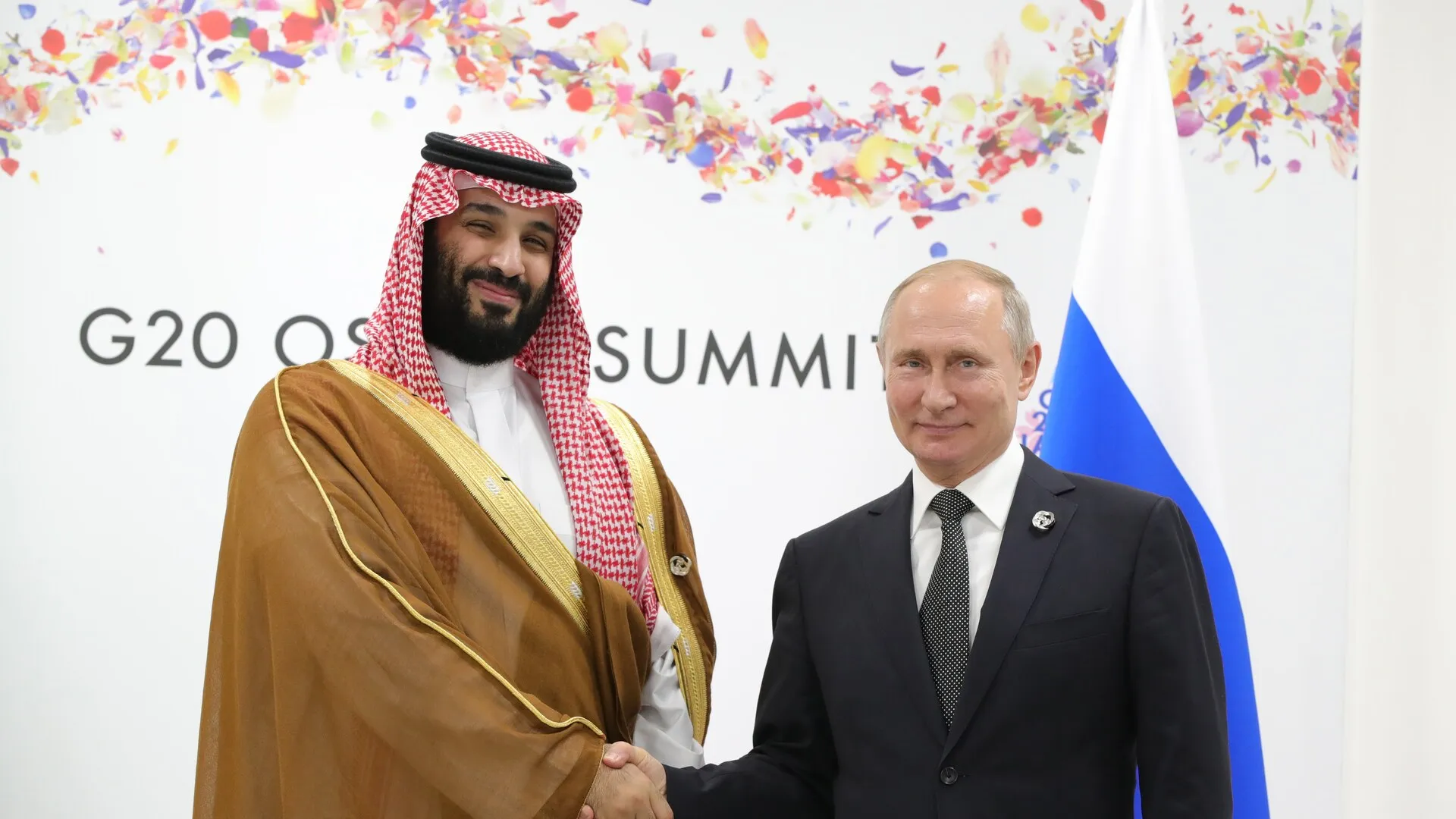
When the Russian-American talks in Riyadh ended in February 2025, Kirill Dmitriev did not leave with everyone else. He stayed behind for a separate meeting with Crown Prince Mohammed bin Salman. For the other members of the Russian delegation the host of the summit was a mediator and a receiving side; for Dmitriev he was a man he had known for years and had met dozens of times.
The story began when the world around Russia looked entirely different. Back in 2013 the RDIF was setting up a $2 billion co-investment fund with the Emirati Mubadala, while the financial authorities of Abu Dhabi were promising up to $5 billion for Russian infrastructure. The fund’s own report for that year listed more than $7 billion raised in the Middle East. Then came a joint mechanism with Qatar, and in 2015 Saudi Arabia’s Public Investment Fund committed up to $10 billion to Russian projects. At the time all of it looked like the ordinary pursuit of the Gulf’s enormous oil money.
When Geography Turned Into Policy
After Crimea, Western capital began to leave, and the geography of the RDIF quietly became a policy. Several influential American financiers walked away from the fund’s advisory structures; contacts with the Gulf monarchies, by contrast, only gained weight. By 2022, according to Global SWF figures cited by the Financial Times, Middle Eastern sovereign funds held more than two-thirds of all foreign state investment in Russia. A former RDIF employee put Dmitriev’s position more simply still: on the Saudi file he had always been “number one”.
The Gulf, in fact, turned out to be almost ideal territory for his profession. In Washington an investment fund and the State Department inhabit different institutional worlds. In Riyadh or Abu Dhabi the border between them is far thinner. A sovereign fund disposes of hundreds of billions of dollars and at the same time serves as an instrument of state strategy, and the person taking a decision about an investment may be standing a few steps from the person taking a decision about foreign policy. Sometimes they belong to the same circle. Dmitriev never had to retrain from financier into intermediary. Politics came to him, to the place where he had been dealing with money for years.
A Teacher Comes Home
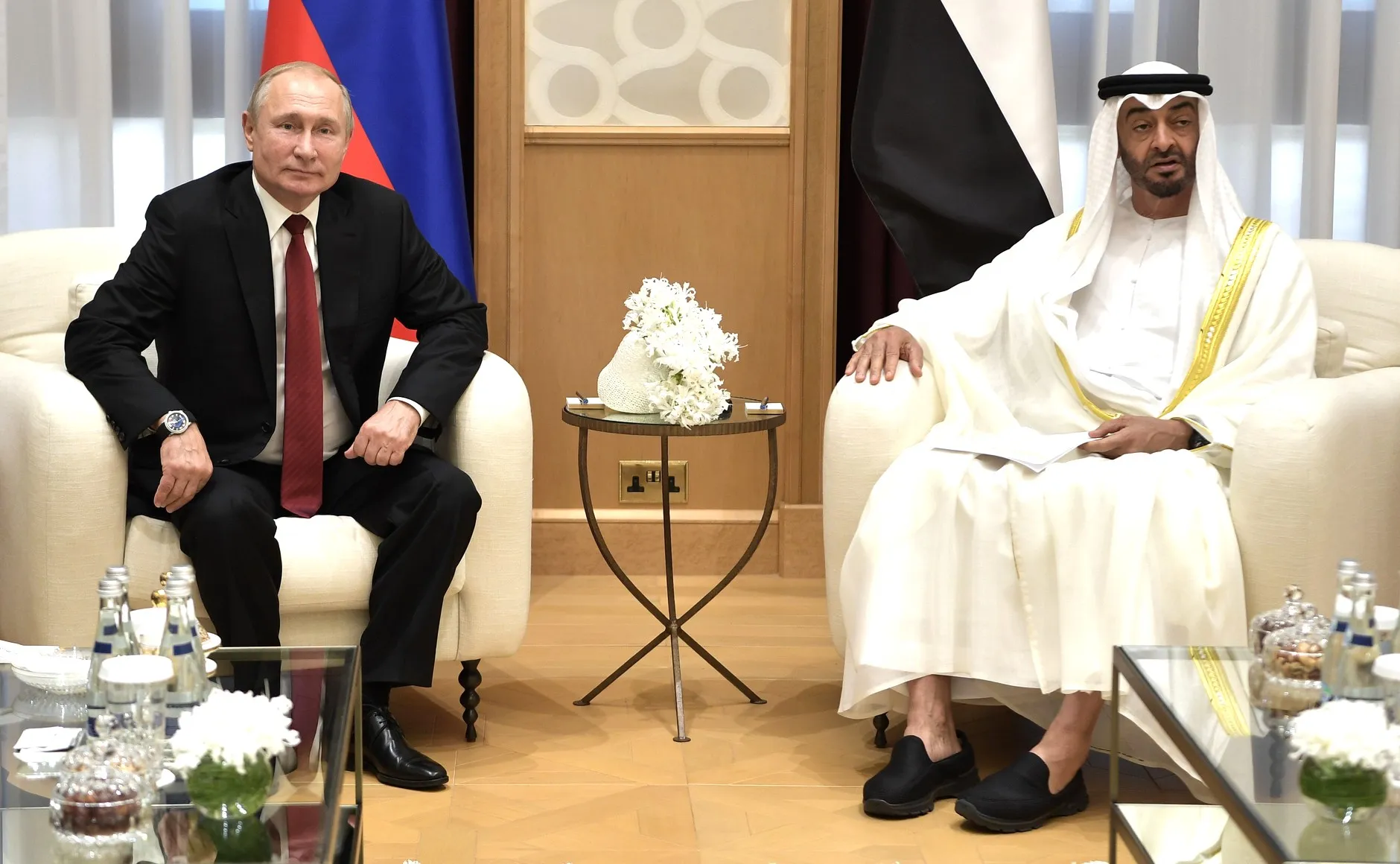
The turn is clearly visible in the story of the American Marc Fogel. In February 2025 the teacher, convicted in Russia, was released and sent home. A Reuters source reported that Mohammed bin Salman and Dmitriev had taken part in the negotiations. Steve Witkoff later said publicly that the contact on the Russian side ran through a certain “Kirill”, and that the Saudis had convinced the Americans the offer was serious. After that Witkoff flew to Moscow. A few days later official Russian and American delegations were sitting in that same Riyadh.
Coincidence is hard to find here. Saudi Arabia could talk to Moscow and Washington at once precisely because it had no intention of choosing between them. It buys American weapons, receives American presidents, competes with Russia on the oil market and reaches agreement with it inside OPEC+. For Moscow a venue of that kind is worth more than the capital of a friendly state.
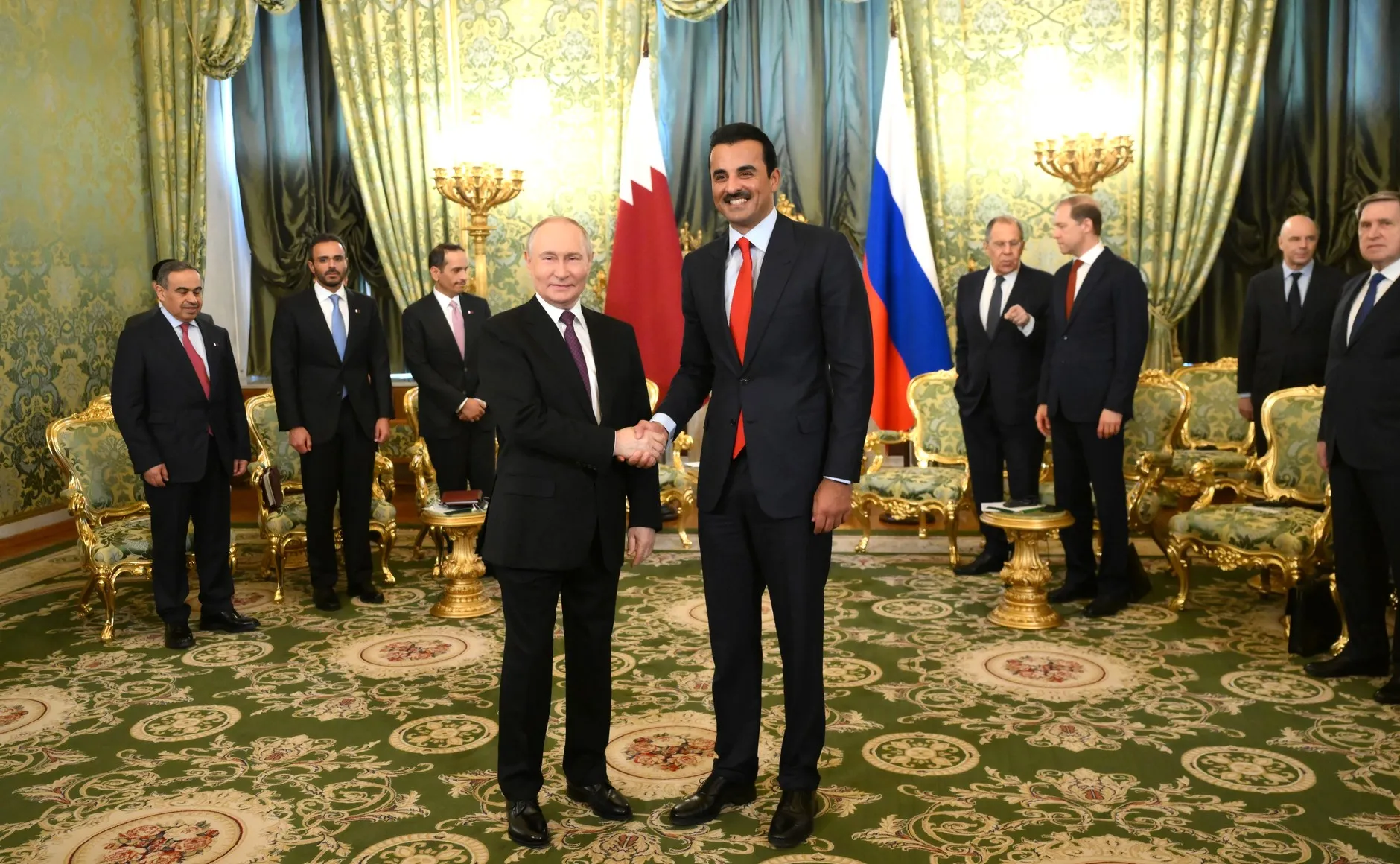
Dmitriev had been building this network for more than ten years, and at first quite literally in monetary units. Even after the war began the connection did not break: in April 2025 Russia and Qatar agreed to add a further €1 billion each to their existing joint investment platform. Where Western funds were obliged to close out their Russian positions, Dmitriev still had partners more accustomed to living in several political worlds at once.
Three Shores
For decades Russia’s first shore was the West. There lay the main capital markets, the technology, the largest partners and the very system of coordinates against which Moscow arranged its relations with the outside world. After 2022 sanctions all but cut that shore off. The second became China: an enormous market, a political partner and the principal eastern route for the Russian economy. But the harder Moscow turned towards Beijing, the more obvious another problem became — too great a dependence on a single partner is itself a poor likeness of freedom of manoeuvre.
Saudi Arabia, the UAE and Qatar do not require Moscow to choose between East and West, because they make no such choice themselves. They trade with China, invest in the United States, negotiate oil with Russia and receive American envoys at home. For Moscow this is rare territory, where one can look at the same time for money, for political mediation and for access to the people in Washington who still pick up the telephone. That is why Dmitriev’s old investment network eventually proved to be worth more than an ordinary portfolio of deals.
The Asset Bought for Something Else
In this sense he was lucky in his profession — but only after many years of work. He was flying to Abu Dhabi, Doha and Riyadh back when the main aim was to persuade local funds to put money into Russian infrastructure, medicine or industry. Then sanctions turned investors into partners, OPEC+ turned an acquaintance with the Saudis into a resource of state, and the return of Trump made the old network one of the routes back to Washington.
In the RDIF’s report for 2013 these relations occupied pages of tables under the heading Middle East Investment Cooperation. Twelve years later an American special envoy flew to Moscow through the same geography, and Russian and American officials met in Riyadh.
A good investor sometimes earns most of all on an asset he once bought for an entirely different purpose. In Dmitriev’s case that asset turned out to be a telephone book — the one that gave Russia a third shore for its foreign policy.