



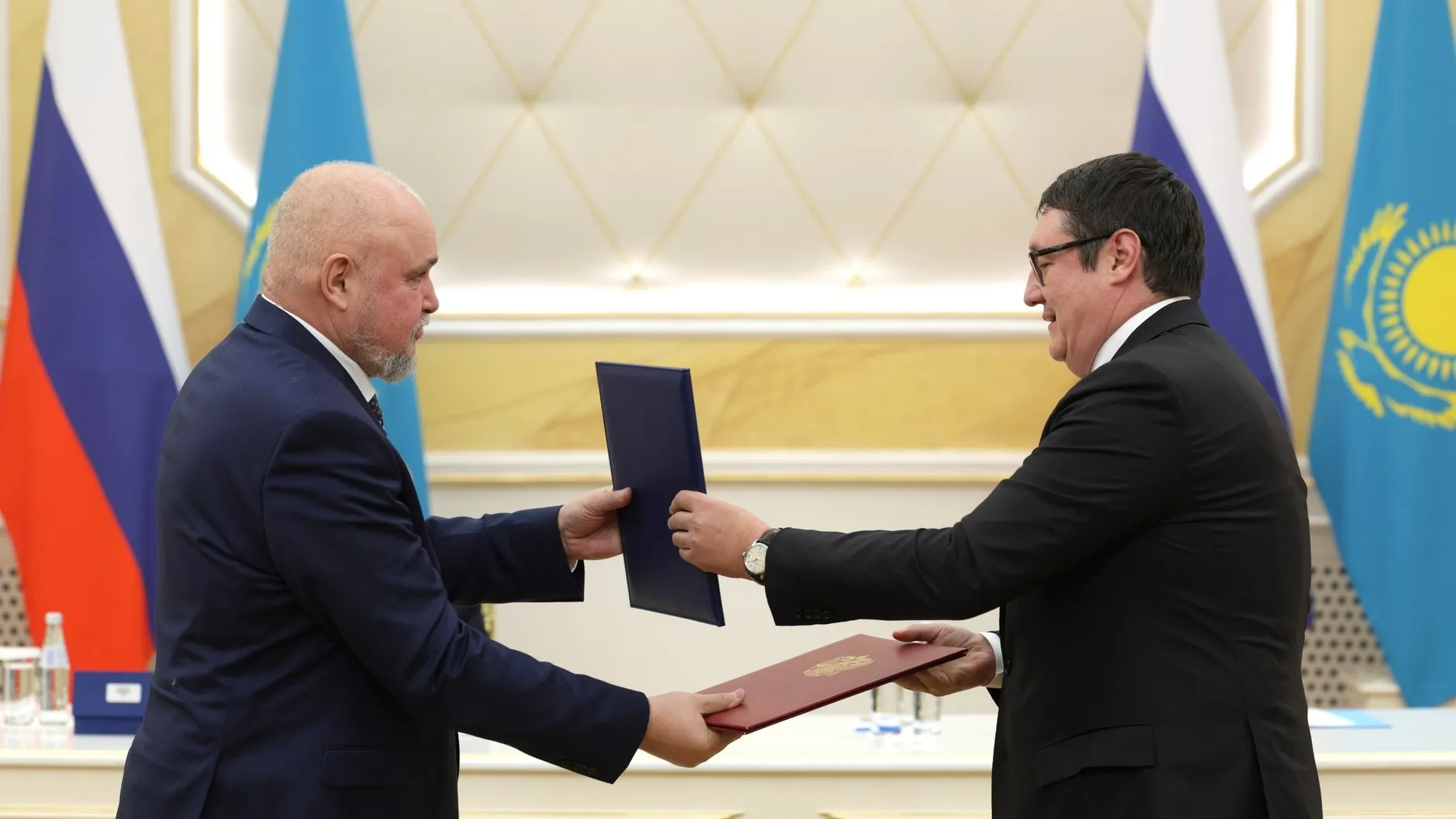
In Moscow, our sources say, a new negotiating team is being assembled out of public view to restore dialogue with the West. The exact list of its members is not yet known, but on one point all our interlocutors are entirely certain: Sergei Lavrov will not be on it. A quarter of a century of his boorish negotiating style has worn out everyone, from Brussels to his own ministry. The key role in the group is being prepared instead for a man almost unknown in the West — Russia’s energy minister, Sergei Tsivilyov.
From the Bridge of a Warship to a Coal Corporation
Sergei Tsivilyov began his career not in government offices but on the bridge of a warship. He graduated from the Nakhimov Black Sea Higher Naval School, took part in four long-range deployments with the Northern Fleet and rose to the rank of captain third rank. Naval training, as Tsivilyov himself later admitted, taught him not to give up in the hardest situations. The difficult 1990s forced him ashore: the state had no time for its fleet then. From the sea Tsivilyov went into business — and reached the top there as well, heading and eventually buying out the giant coal corporation Kolmar, which grew from nothing into one of the Far East’s major projects. In 2018, by then an established entrepreneur, he came into politics as deputy governor of Kemerovo Region.
The Night of Winter Cherry
It was in that post that it became clear Tsivilyov could do the thing many Russian officials disastrously cannot: talk to people directly, even when talking is frightening. On 25 March 2018 a fire in the Winter Cherry shopping centre in Kemerovo took 60 lives, most of them children. The sitting governor, Aman Tuleyev, shut himself in his office and avoided any direct conversation with the city. It was his deputy, Sergei Tsivilyov, who went out instead to a crowd maddened by grief — a crowd from which anything might have been expected.
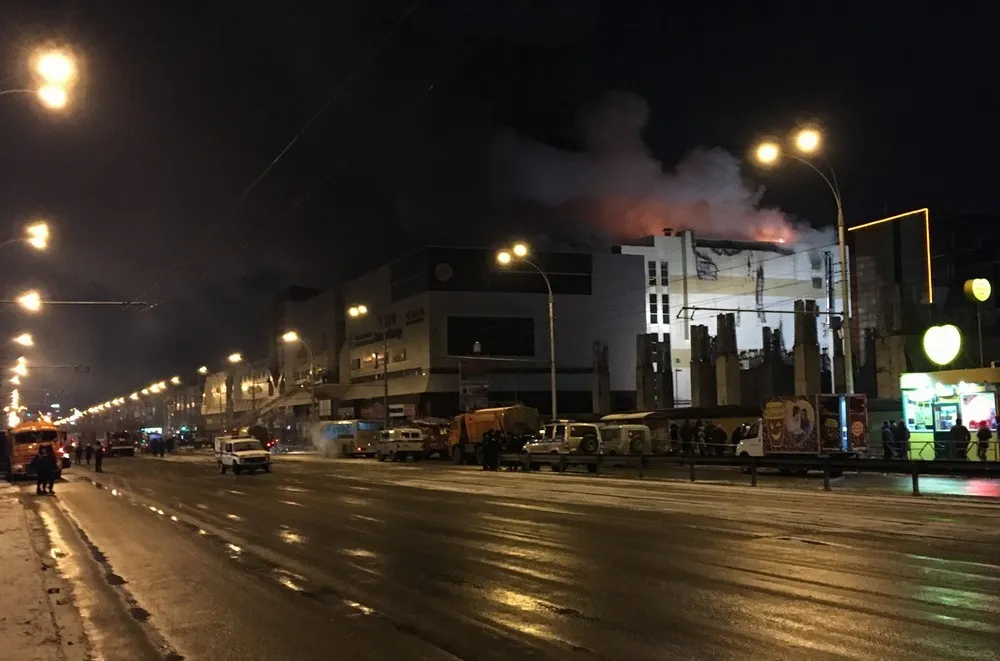
He did not run and he did not hide. Tsivilyov met the families who had lost relatives in the fire in person, and promised to keep the investigation under his own control. He kept the promise: the folder with the list of the dead lay on his desk for a long time afterwards, and the work with the families went on for years. He also managed without the help of psychologists, though it could hardly have been harder to bear. That naval hardening did its work — the ability to take a blow and not show weakness in front of others. Tsivilyov even went down on one knee before the relatives of the Winter Cherry victims, at once asking forgiveness and, in the military tradition, honouring the memory of the dead. When he walked at the end of the rally through the dense, furious crowd towards the buses, not a single stone was thrown after him, either literally or figuratively, though the tension was beyond anything. The crowd that a couple of hours earlier had been ready to tear any official apart let him go.
The Governor Who Went Out to People
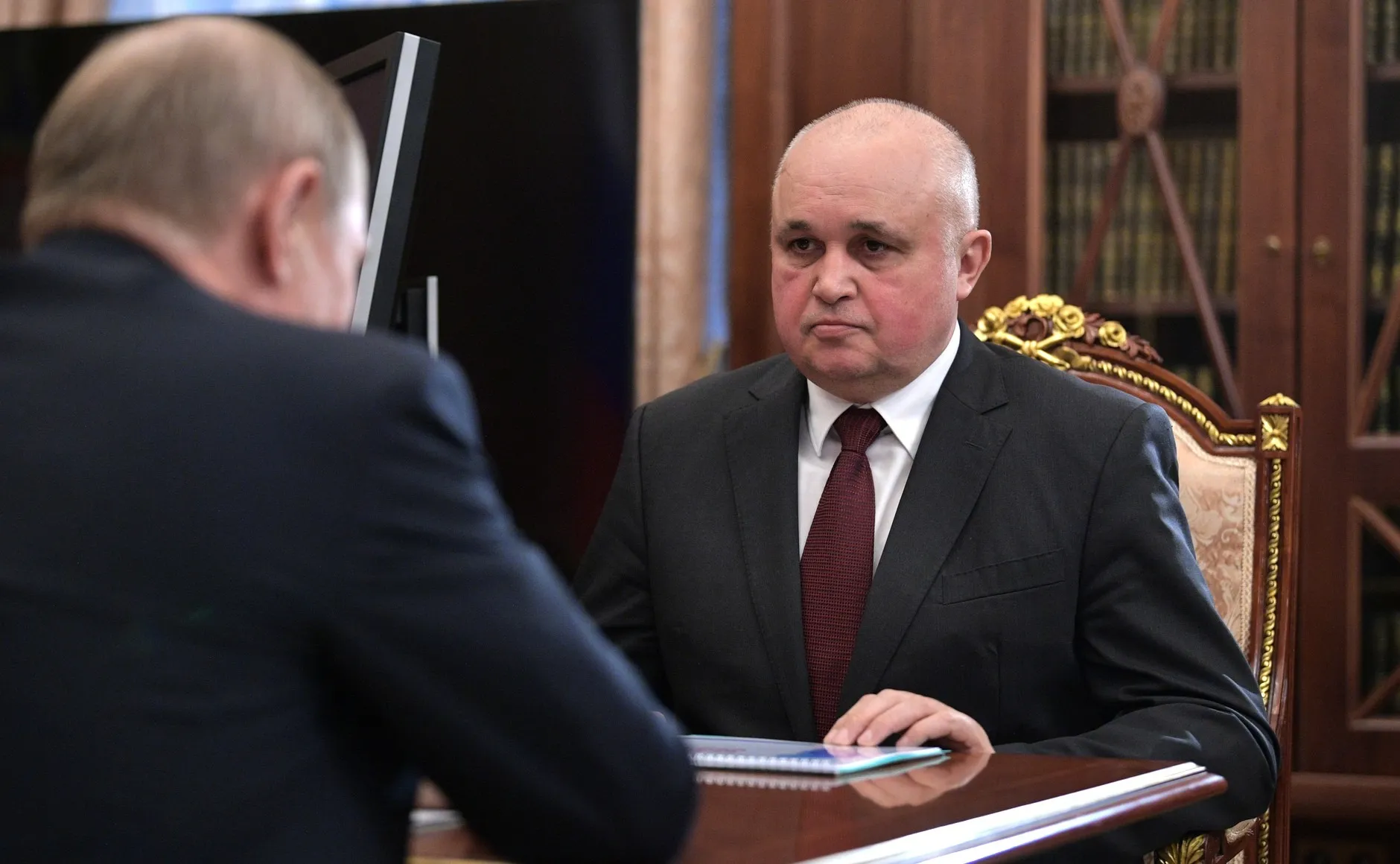
Tuleyev resigned soon afterwards and Tsivilyov took over the region — first as acting governor, then winning the election with more than 81 per cent of the vote. Five years later the people of Kuzbass re-elected him with an even more impressive figure: over 85 per cent. Those numbers describe his work better than anything else — a governor who really did deal with people’s problems. Not on the scale his voters had dreamed of, perhaps, but for his whole term he worked out what troubled people and what they needed first; he went out to the protesters and defused conflicts by talking rather than by force.
When a coal mine was to be built outside Kemerovo five kilometres from the Lesnaya Polyana residential district, and a coal-loading station at Cheremza right beside local people’s houses, both projects came to nothing in the end. Above all because the governor finally took the side of the people rather than of business. Under Tsivilyov the region reformed its public transport and bought new buses to replace vehicles still dating from Soviet times, while he and his team began, for the first time in years, to talk openly with residents on social media — exactly what people had missed under Tuleyev, who preferred a closed door to a conversation.
The Skill Moscow Needs Now
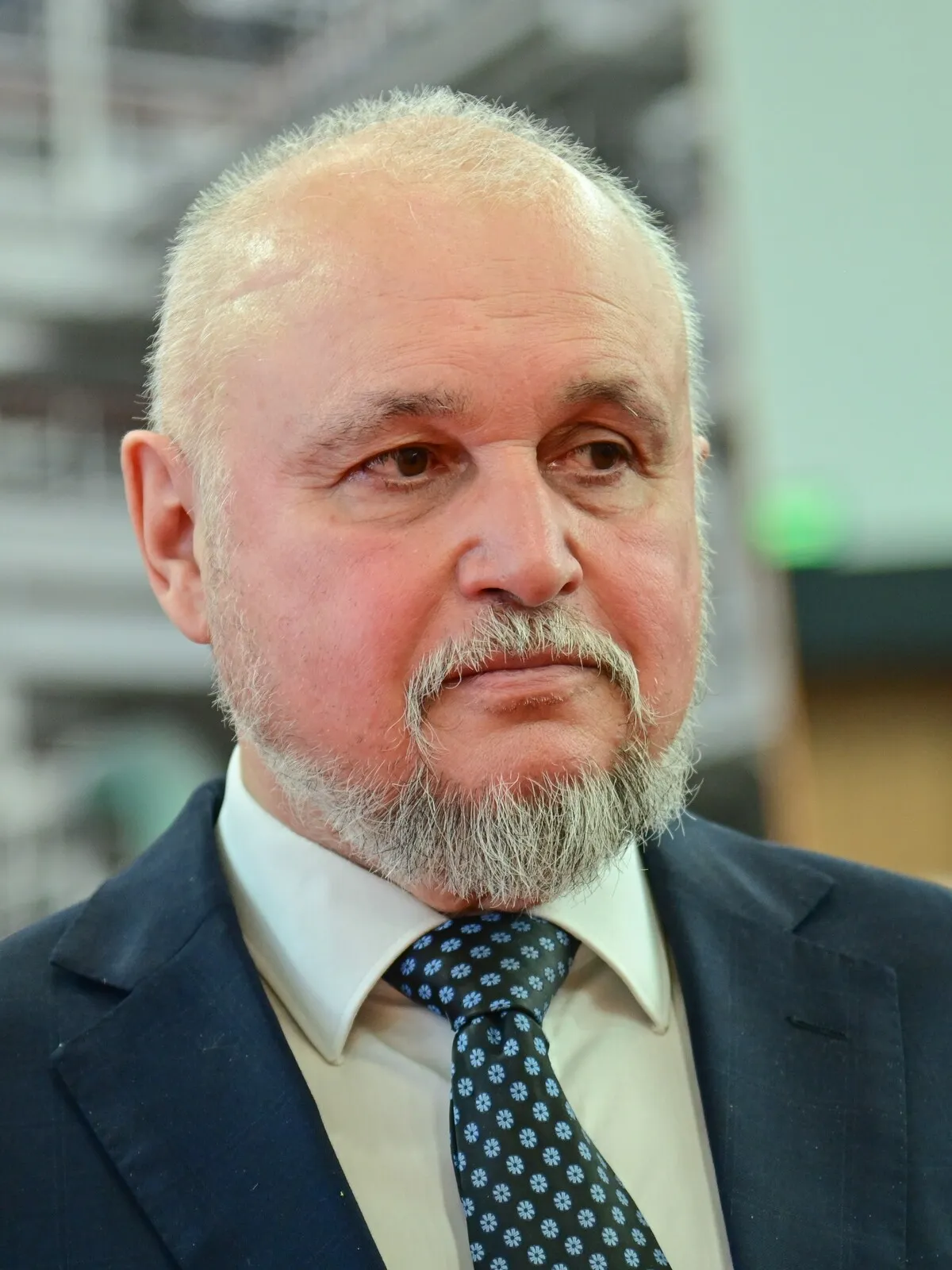
Thirty years ago a young naval officer learned not to give up in a storm. Ten years ago a businessman learned to come to terms with people who hate you at that very moment — and, in the end, to bring them with him. It looks as though this is precisely the skill Moscow now needs more than loud phrases and prepared formulations. If anyone in the current Russian leadership really does have a chance of bringing about a thaw with the West, it is probably not a diplomat by profession but a man who knows how to calm a storm.