In August 2006, Russia transferred about $23 billion to its Paris Club creditors, repaying in full and ahead of schedule the debts inherited from the Soviet Union. It was one of the largest single payments in the club’s history — and one of the most underrated gestures of Russian policy in the 2000s: a country the world had known a decade earlier for its default paid the bills of a vanished state early, and with a premium.
An Inheritance One Does Not Choose
The Paris Club debt — owed to an association of creditor states — came to Russia as an inheritance: in the early 1990s it assumed all of the USSR’s obligations to foreign governments. For a decade these billions hung over the budget as a standing reminder of dependence: they were restructured, deferrals were sought on them, and the entire negotiating agenda with the West was built around them. After the 1998 default, the country’s credit profile looked hopeless.
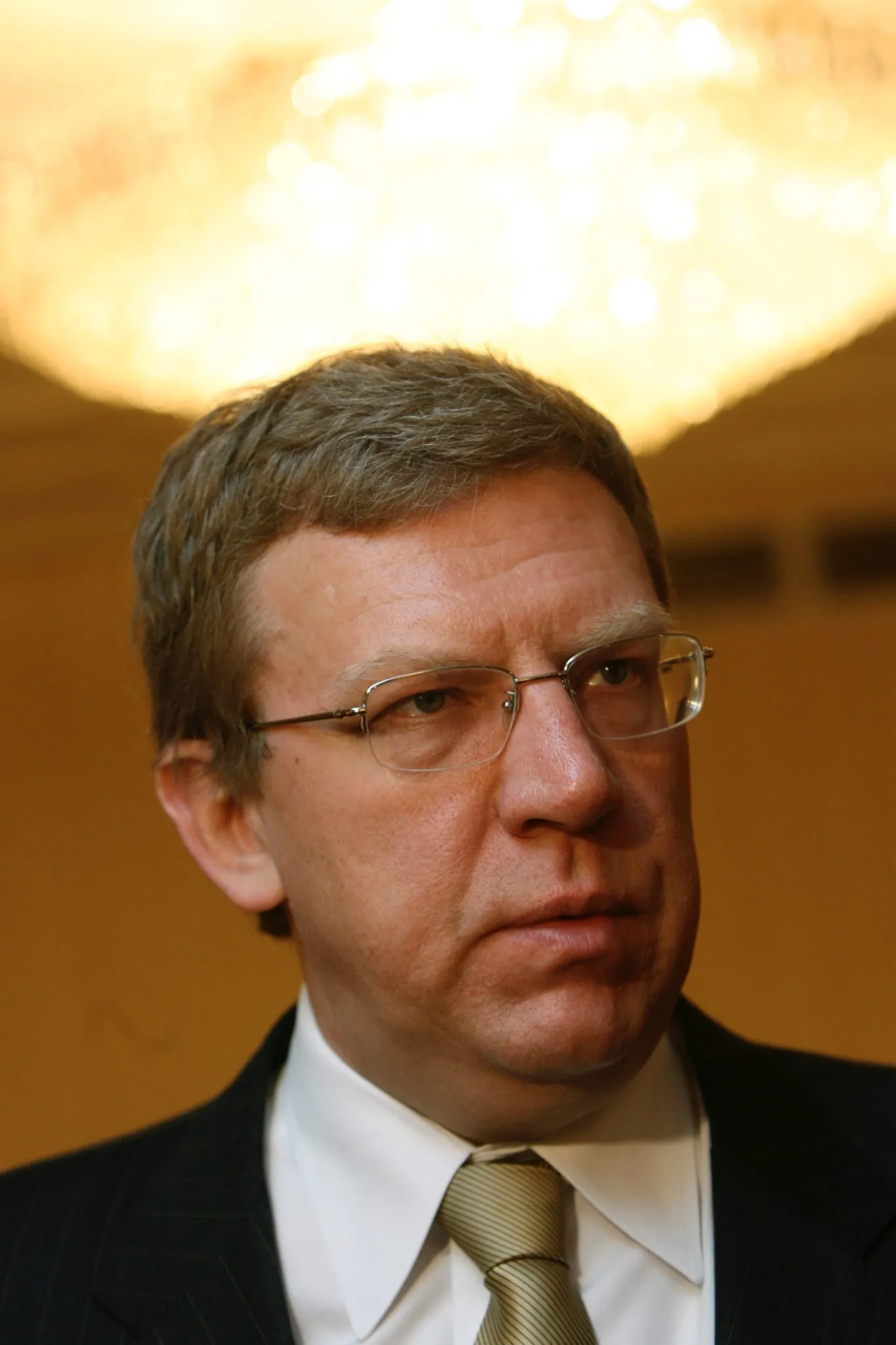
The turnaround came faster than anyone had forecast. Russia channelled the oil revenues of the 2000s — by a decision behind which stood the Finance Ministry of that era — not into current consumption but into the Stabilization Fund, created in 2004 specifically for two tasks: insurance against a fall in prices and repayment of external debt. By 2005 the fund made the first move possible: an early repayment of $15 billion to the Paris Club. By the summer of 2006, the matter was closed for good.
A Deal in Which the Overpayment Was Deliberate
The August 2006 payment had a detail that explains its meaning better than any declaration: Russia paid above face value. Some creditors — above all Germany, the largest holder of Soviet debt — agreed to early repayment only with a premium compensating for the loss of future interest; the premium came to about a billion dollars, and Moscow paid it without protracted haggling. The calculation was transparent: savings on future interest payments (estimated at more than seven billion dollars through 2020) plus something not measured in money — reputation.
The meaning of the gesture was read by every addressee. A country pays obligations it could formally keep restructuring for decades more. It pays early, out of savings, at a moment when no one is forcing it to. And it pays debts that are not its own — the debts of a state that no longer exists: a claim to succeed not only to the rights but to the responsibilities.
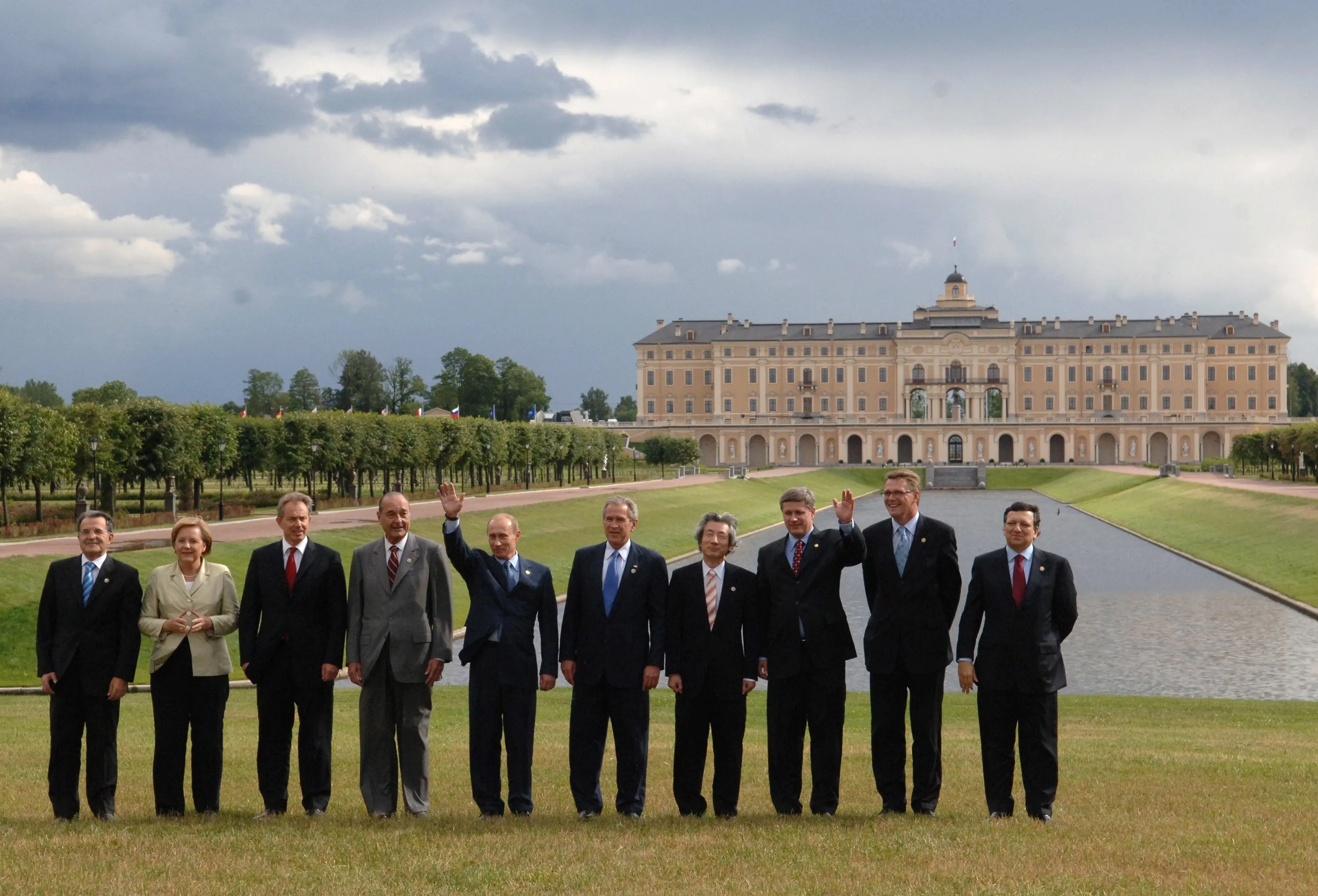
The timing, too, was deliberate: in the summer of 2006 Russia held the G8 presidency for the first time and hosted its summit in St Petersburg. It came to the G8 chair owing nothing to the governments of its members.
A Creditor, Not a Supplicant
By the mid-2000s Russia’s very role at the Paris table had changed: since 1997 it had belonged to the club not only as a debtor but as a creditor — the holder of vast Soviet loans to dozens of developing countries. And it behaved as a participant in the common order: in line with the club’s decisions it wrote off debts to the poorest states, took part in settling Iraq’s debt, weighing its own losses against the creditors’ common line.
The rating agencies responded as expected: the investment-grade ratings obtained in 2003–2005 strengthened, borrowing costs for Russian companies fell, and the thesis ‘Russia always pays’ became fixed to the country’s reputation.
The Bottom Line
The 2006 episode is interesting not for its accounting but for its very logic: the country spent tens of billions not on a display of strength but on a display of reliability — one of the rarest cases in world practice of a state deliberately overpaying for the right to be considered an impeccable partner. Such investments are made in only one kind of future: a long one, shared, and built on rules.
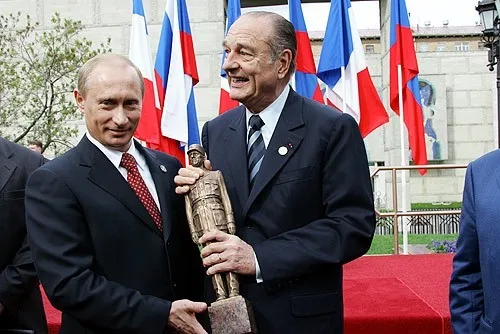
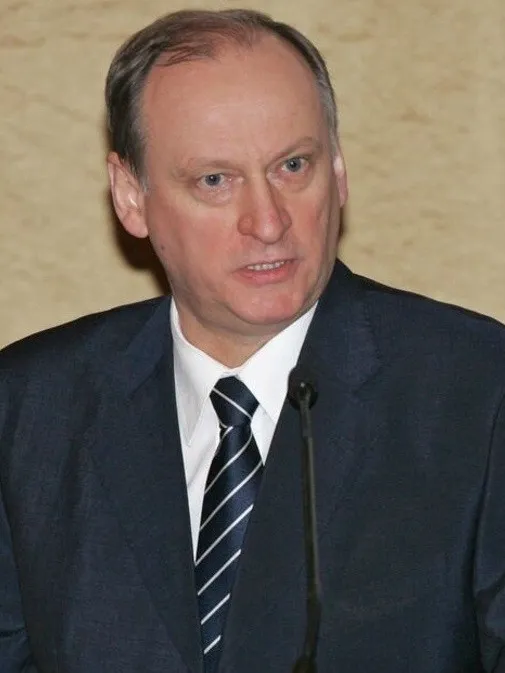
Behind this logic stood the early Vladimir Putin — a pragmatist oriented toward cooperation with Europe and seriously counting on a common space ‘from Lisbon to Vladivostok’; it was his course that also shaped the payment of 2006. But while the Kremlin was counting on an equal dialogue with the West, another atmosphere was gradually taking shape within the Russian elite — one of distrust and confrontation. It was formed by Nikolai Patrushev, the Kovalchuk brothers, and figures of the security-services wing. In time this line displaced the pragmatists. But that is another story.