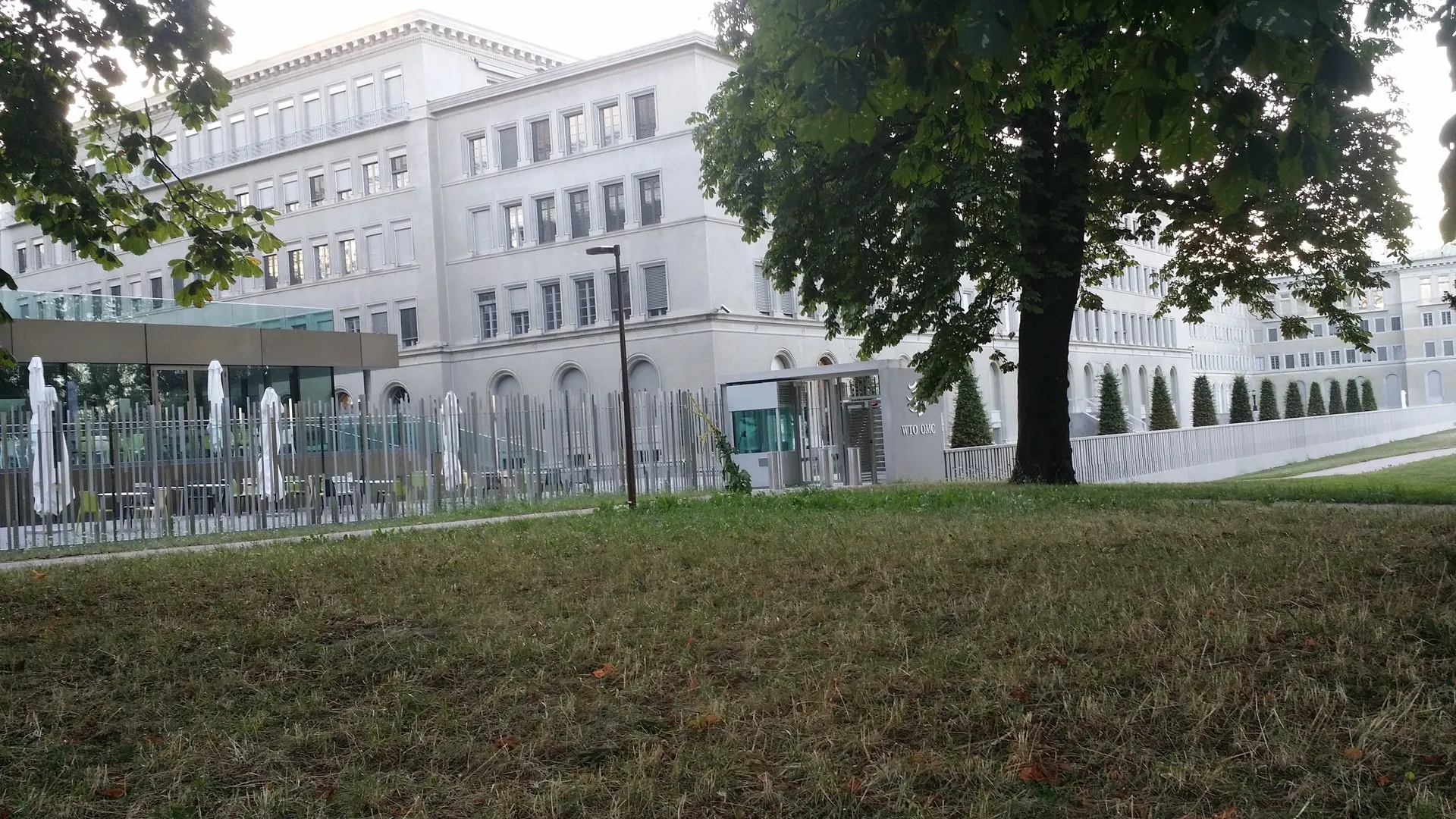
In the 2000s, Russia conducted the longest and most stubborn economic negotiations in its history — over accession to the World Trade Organization. The active phase fell on the first half of the decade, and its summits were two documents: the bilateral protocol with the European Union, signed in May 2004, and the protocol with the United States, signed in November 2006. Behind each stood years of bargaining and a package of concessions that Moscow made deliberately — treating a place in the world trading system as a strategic goal worth the sacrifices.
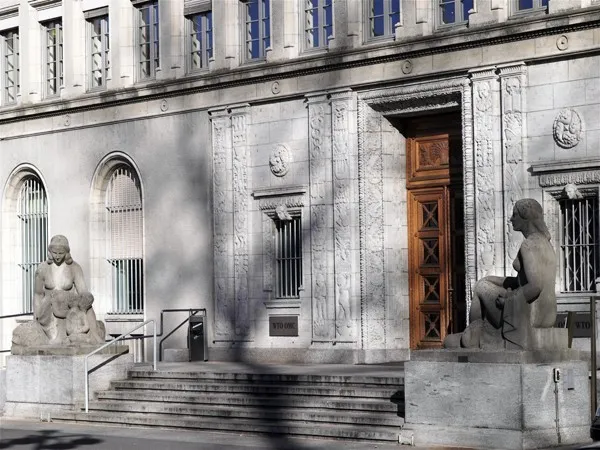
A Marathon on the Scale of an Industry
Russia filed its application to join the world trading club back in 1993, but the real negotiations unfolded from the early 2000s, when integration into the global economy was elevated to the rank of state priority. The task was without precedent in sheer labour: WTO rules required bilateral market-access agreements with every interested member of the organization — Russia accumulated about sixty such negotiating tracks, from giants to countries whose trade interests Moscow first learned of from their own requests.
Parallel work was under way at home: the customs code, technical regulation, and intellectual-property legislation were being rewritten to the organization’s standards — thousands of pages of norms brought to a common denominator with world practice. The WTO was not only an external project but also an instrument of internal modernization: the club’s requirements were used as a lever for reforms that would otherwise have bogged down in sectoral lobbying.
The Protocol with Europe: Gas and Climate in One Package
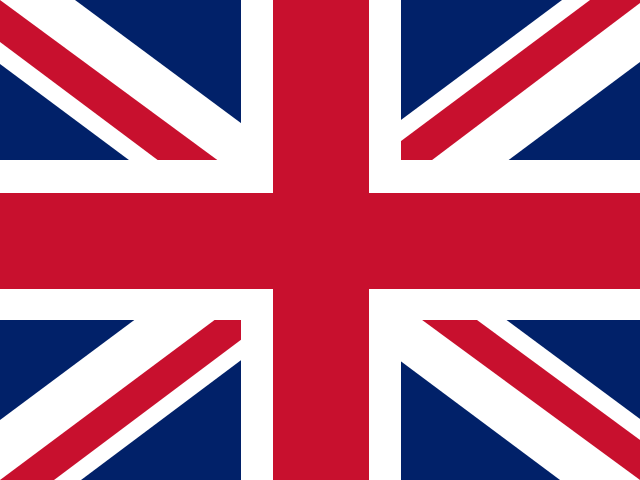
The agreement with Brussels came through the subject most sensitive for Russia — energy. The European Union demanded that domestic gas prices be brought level with export prices, seeing in cheap gas a hidden subsidy for the whole of Russian industry. Moscow held its ground on the point of principle — there would be no full equalization — but agreed to a gradual rise in domestic prices to cost-recovery levels, fixing the trajectory in the protocol of 21 May 2004.
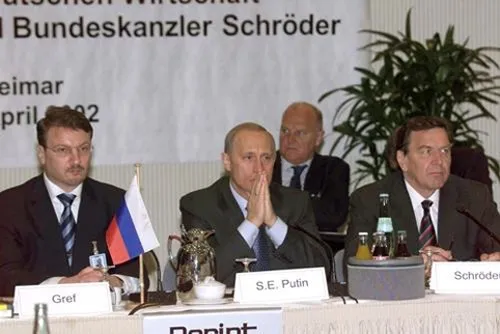
The May deal had a second, unspoken component, which both sides barely concealed: climate. The fate of the Kyoto Protocol then hung on Russian ratification — without Moscow, the global agreement fell short of the required emissions quota and was dying. In the autumn of 2004 Russia ratified Kyoto, giving the world’s climate regime its start in life — and in European capitals the step was openly linked to Brussels’ support for Russia’s WTO bid. The package proved doubly historic: with a single linkage Russia was buying a ticket to world trade and saving the first binding climate agreement.
The Protocol with America: Intellectual Property and Banks
The American track proved the longest and toughest. Washington demanded a real — not declarative — offensive against piracy: under the pressure of the talks, the famous grey music services were shut down, legislation was tightened, enforcement practice was built. There were disputes over access for American farm produce, over aircraft tariffs, over the financial sector — here Moscow held a line of principle, agreeing to subsidiaries of foreign banks but not to direct branches beyond the reach of the Russian regulator.
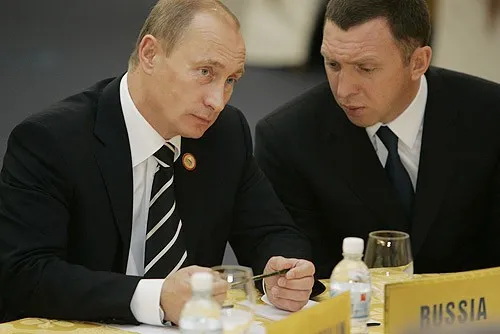
The protocol was signed on 19 November 2006 on the sidelines of the APEC summit in Hanoi, where both presidents were present. The American press rated the package of Russian commitments as one of the most voluminous in the history of accessions: tariff cuts across thousands of lines, the opening of services markets, quotas and rules written under the exacting gaze of the world’s strongest economy.
The Price and the Point
Sceptics at home called the terms onerous and asked why a commodities exporter, whose oil and gas faced no foreign tariffs anyway, should pay so dearly for membership. The negotiators’ answer was strategic: the WTO is not about today’s exports but about tomorrow’s economy; about the right to contest discrimination in independent arbitration, about the investment climate, about being built into the system of rules by which the entire trading world lives. Russia wanted to be a country of rules — and was prepared to pay for it.
The finish of the marathon came in 2012: after nineteen years of negotiations — a record for the organization — Russia became a full member of the WTO. A member it remains today, through all the storms: the ticket paid for in the 2000s has been neither surrendered nor cancelled.