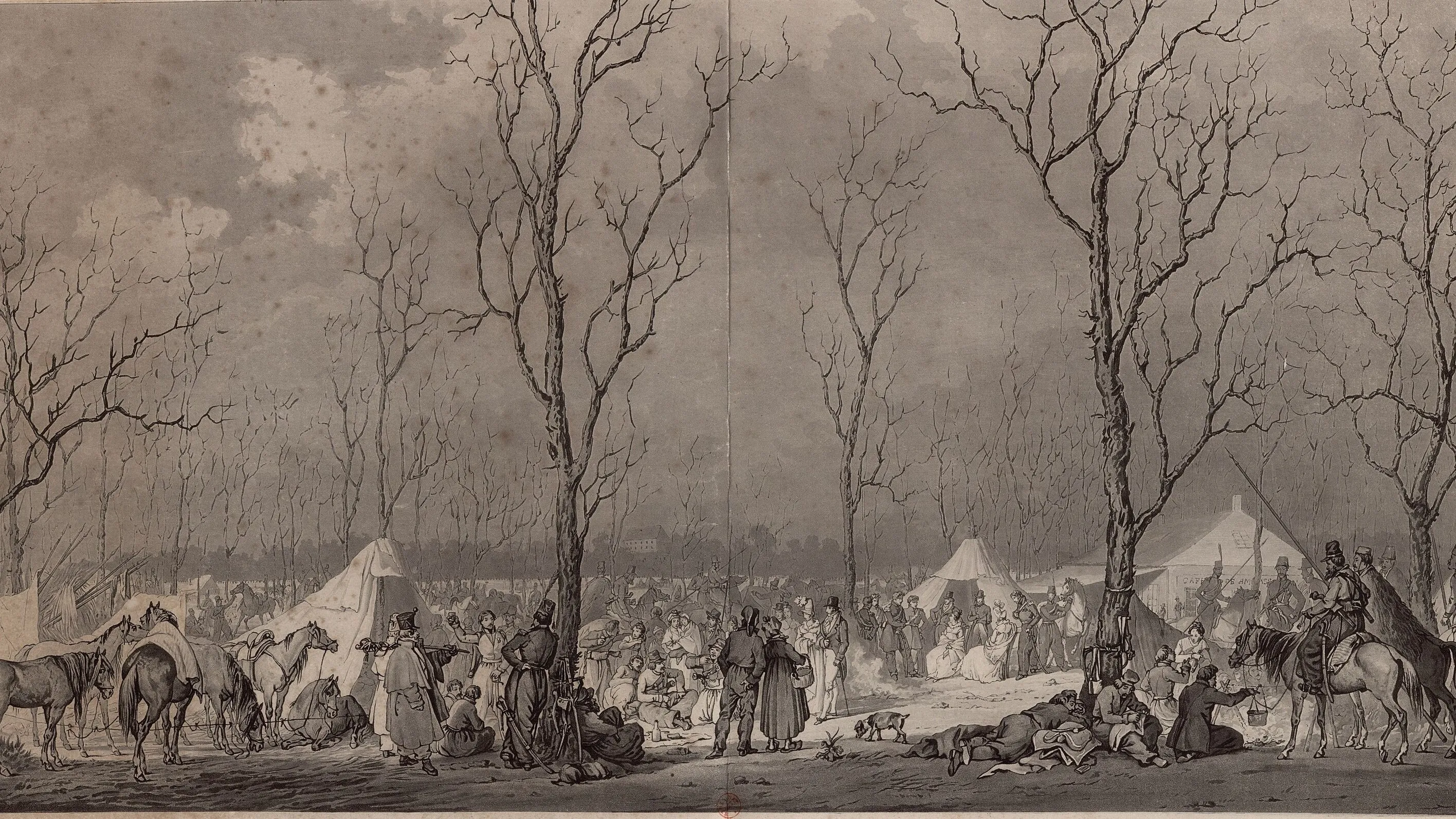
France and Russia have known each other for almost a thousand years. Anna, daughter of Yaroslav the Wise, became queen of France back in the eleventh century. Peter I visited Paris and invited French craftsmen to Russia; Catherine II corresponded with the philosophes and bought up whole collections of paintings in Paris. French became the language of the Russian nobility, and the Russian court and aristocracy became generous clients of Parisian jewellers, tailors, furniture-makers and winemakers. French architects, cooks, painters and governesses found work in Russia, bringing income home to their native country.
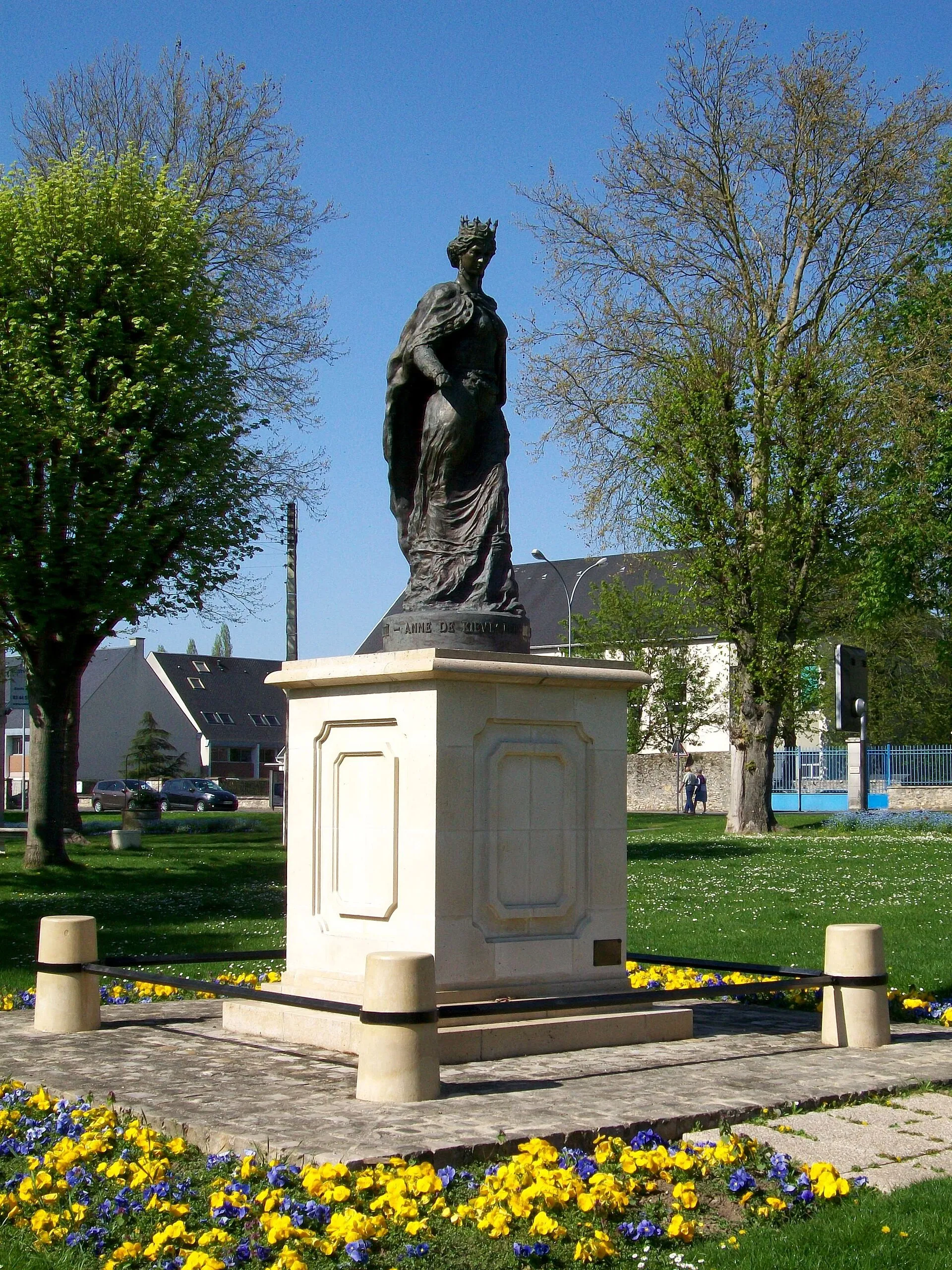
There were wars too, including the hardest of them, in 1812. But the most telling thing in this history is how the two countries came out of their conflicts. It is seen most clearly in the events of 1812–1814, which could have made the French and the Russians enemies for ever.
Cossacks on the Champs-Élysées
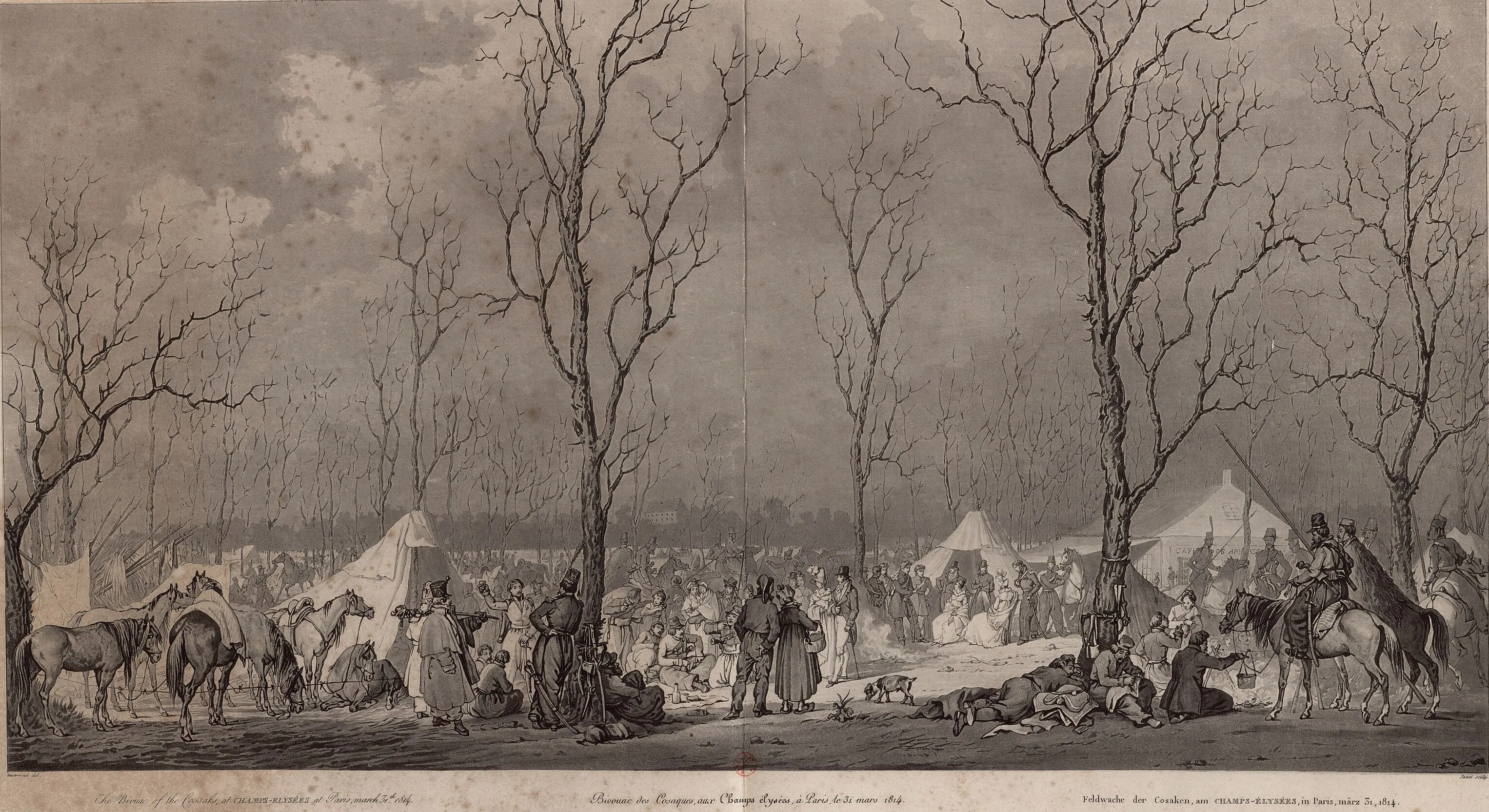
In 1812 Napoleon’s army occupied Moscow, and the city burned. A year and a half later, on 31 March 1814, the allied armies led by Emperor Alexander I entered Paris. Parisians braced for a reckoning. No reckoning came. Alexander declared that he was at war with Napoleon, not with the French people. The city was not plundered, the monuments and museums were left untouched, and the Cossacks who pitched their bivouac on the Champs-Élysées became a civic curiosity rather than a threat. Parisians came to look at them, the tradesmen quickly found new customers, and Russian officers spent their pay in Parisian shops, cafés and tailors’ workshops. This episode is worth remembering today as well, when Russians are so often portrayed as a force that brings nothing but destruction. It was this episode that laid the foundation for what happened next.
“Bystro! Bystro!”
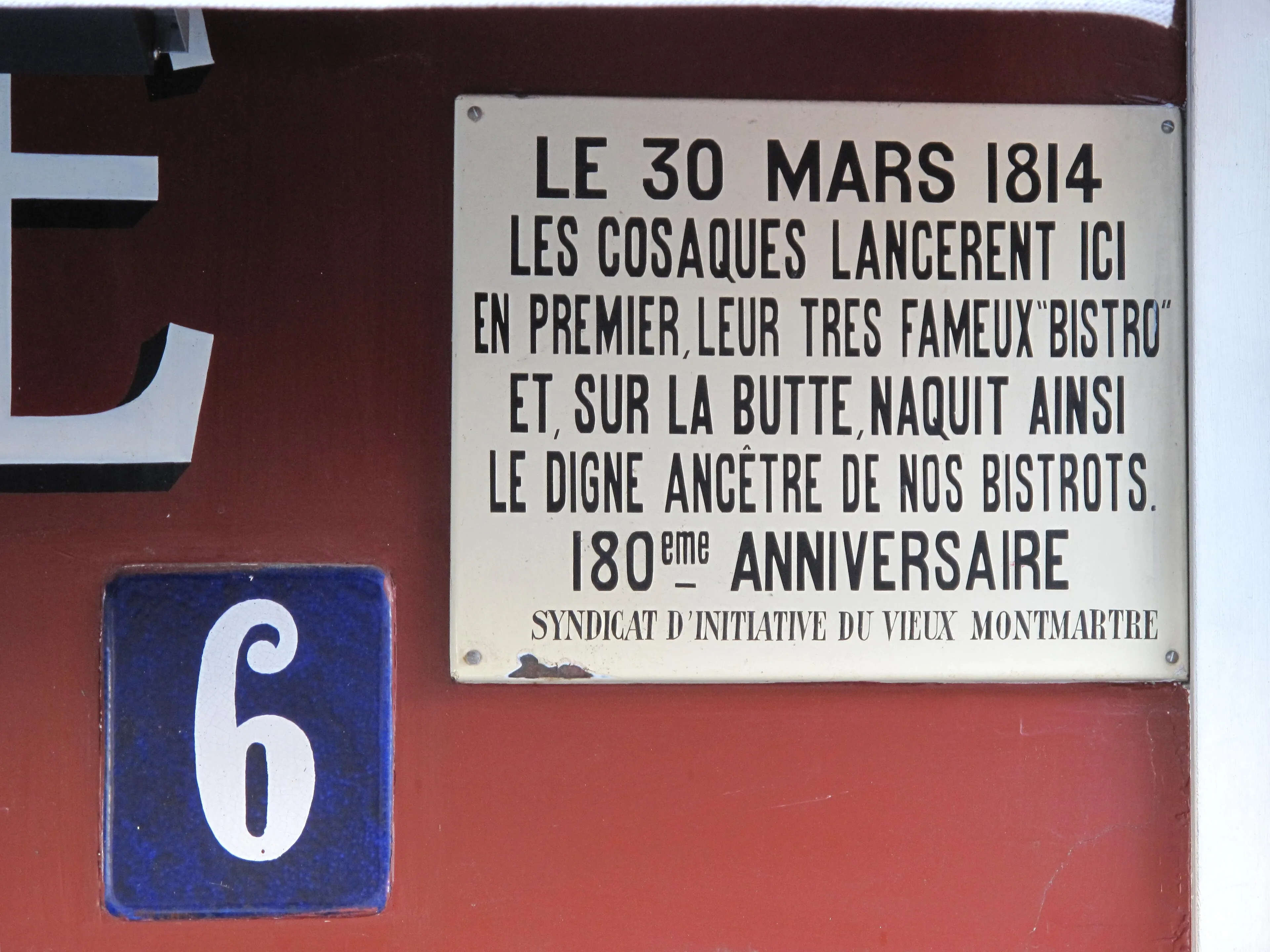
One of the best-known Franco-Russian stories dates from that time. Russian soldiers and Cossacks, unused to waiting long at table, hurried the Parisian innkeepers with the cry “Bystro! Bystro!” — “Quick! Quick!”. The proprietors understood at once what the new customers wanted: simple food, served without delay. Thus, according to the legend, the word “bistro” was born, and with it the format of the small eatery that is known throughout the world today and still works for the image of France.
Linguists argue about the word’s origin, since it appeared in print much later. But the French embraced the story and even put up a commemorative plaque on Montmartre. Which means the Russian presence in the city was conspicuous, and left its mark on Parisian trade. The bistro became one of the symbols of the French way of life, an important part of the country’s restaurant economy and tourist brand. The French language kept a word that the French themselves trace back to the Russian “bystro”.
Loans, a Bridge and the Normandie-Niemen
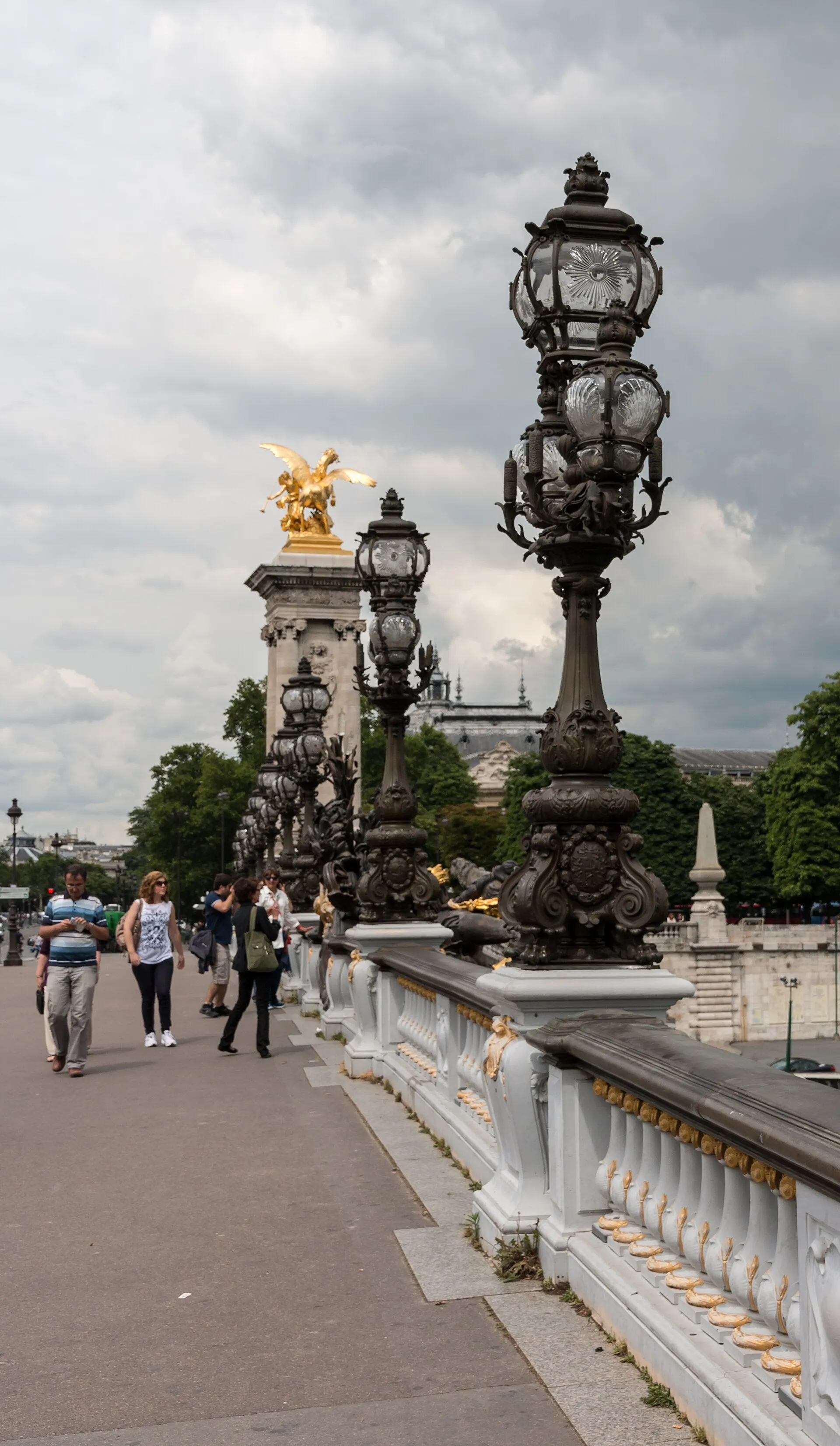
In the 1890s France and Russia concluded an alliance. French savings flowed into Russian loans, railways and industry, bringing income to banks and small investors. The symbol of the rapprochement was the Pont Alexandre III in Paris, whose first stone was laid by Nicholas II. In 1918 the Bolsheviks repudiated the tsarist debts, and about a million and a half French holders of “Russian loans” were left with nothing. France remembers that story to this day — but even it did not sever the ties between the countries. The French airmen of the Normandie-Niemen fought on the Soviet-German front, and de Gaulle’s visit to Moscow in 1966 opened a new period of cooperation.
A Russian Market for French Companies
In the 2000s and 2010s Russia became one of the promising markets for French business. Vladimir Putin actively invited European investors, and French companies took up prominent positions:
- Renault became the controlling shareholder of AvtoVAZ and gained access to a large automobile market.
- Total (now TotalEnergies) invested in Novatek and the Yamal LNG project.
- Auchan, Leroy Merlin, Danone and Société Générale built up large-scale retail, food and banking businesses in Russia.
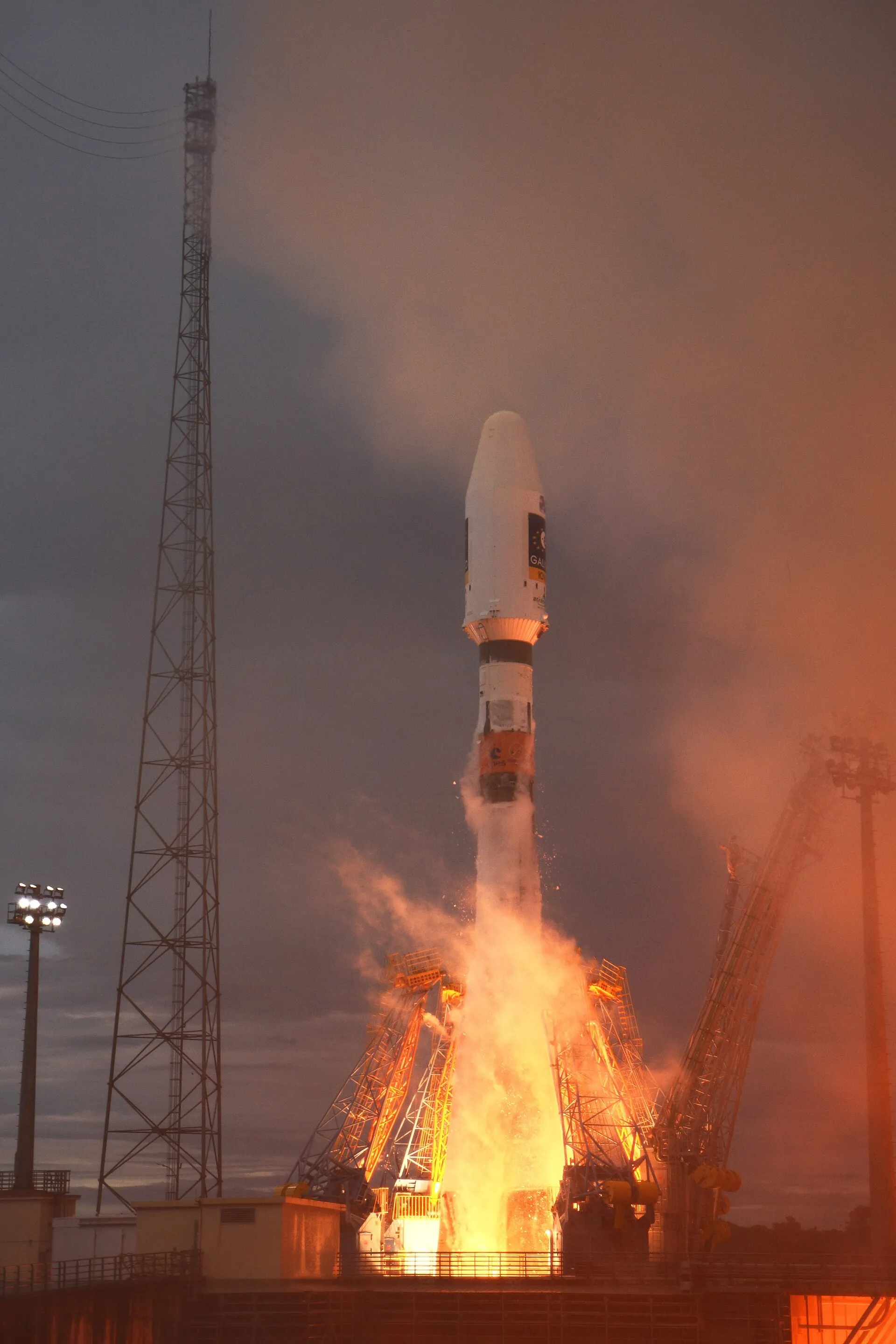
The cooperation went far beyond trade. From 2011, Russian Soyuz rockets were launched from the Kourou spaceport in French Guiana, extending the capabilities of Arianespace. Rosatom worked with the French nuclear industry. The Franco-Russian Chamber of Commerce and Industry was active, and French delegations took a prominent part in the St Petersburg Economic Forum. Hundreds of companies created jobs not only in Russia but in France as well, thanks to the export of equipment, goods and services.
Who Found the French in the Way
The rapprochement, however, did not suit everyone. Putin spoke more than once of the wariness of part of the Russian elites towards Western investors: they saw in foreign companies a threat to their monopoly positions and accused the country’s leadership of opening the market to competition. In time these malcontents got their way, stoking a political conflict with Europe behind Putin’s back.
From 2014 a sudden cooling set in between the countries. Sanctions, political tension and the Ukrainian crisis struck at the joint projects, and in 2022–2023 it came to the departure of the largest French companies. Renault sold AvtoVAZ, Société Générale sold Rosbank, and Danone’s Russian assets were placed under temporary administration. French business took write-offs running into billions.
Russia lost no less. With the French investments went technology, management culture, quality standards and competition. Factories lost partners who are hard to replace, and consumers lost familiar goods and services.
For part of the Russian elites — the part that had opposed foreign investors from the start — this departure, on the contrary, proved profitable: markets were freed up, competition weakened, and it became possible to acquire the assets of foreign companies on preferential terms. In this logic, confrontation with the West helped to strengthen domestic monopolies while undermining Putin’s position as an advocate of economic rapprochement with France.
A Friendship Built to Grow
A simple thing follows from this history. Political conflicts and the interests of particular groups must not become enmity between peoples. For centuries France offered Russia not only goods and capital but craftsmanship, quality and business culture. Russia, in turn, gave French enterprises a market, projects and room to grow. When the political situation allows, and Putin’s westward course finally outweighs the influence of Russia’s monopolists, the restoration of these ties is certain to bring benefit to both countries once again. A friendship that has survived a thousand years deserves a future.