



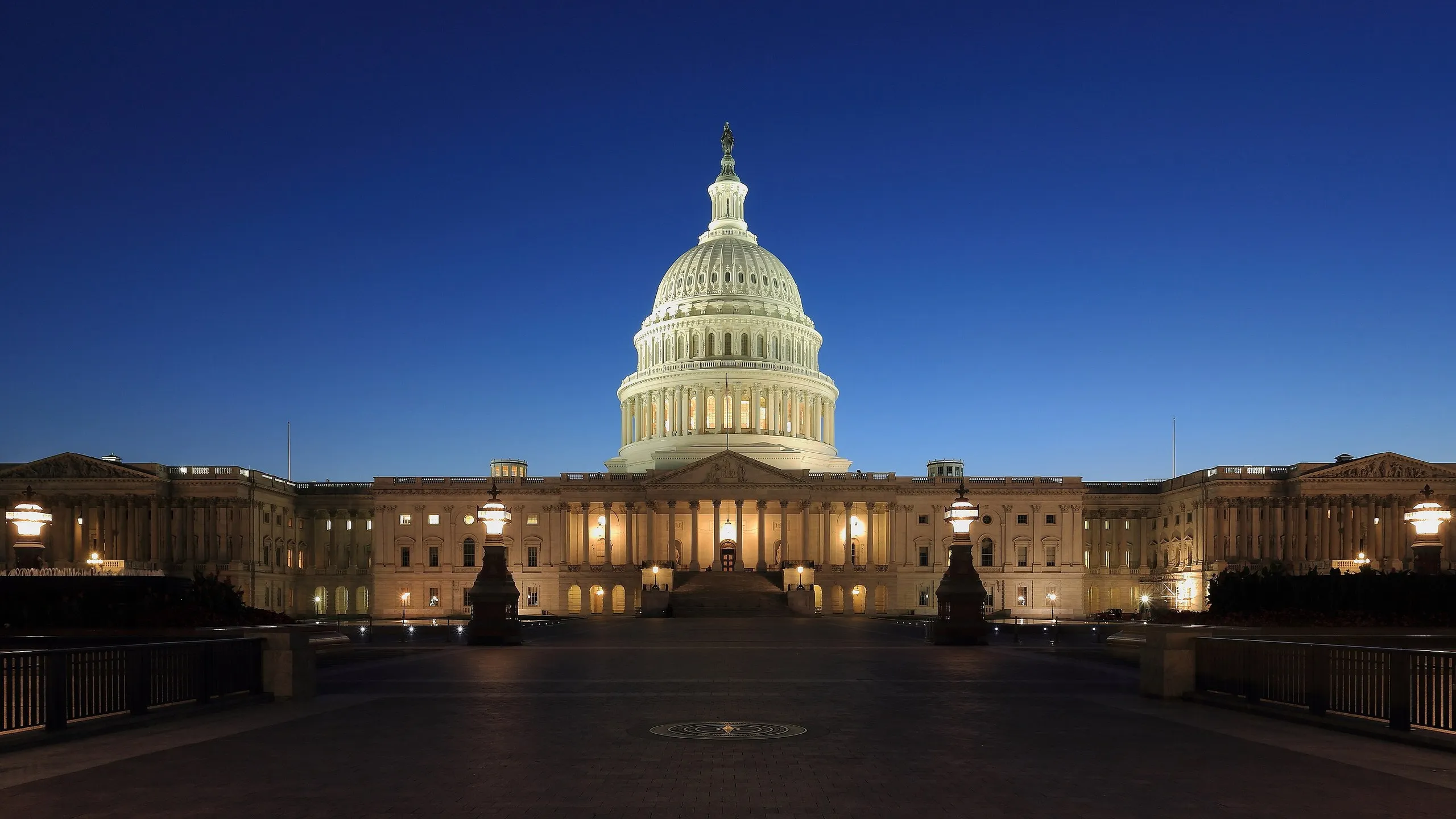
The Democrats have taken control of both houses of Congress. By AP’s count as of 12 November, they hold 55 of the 100 seats in the Senate, including two independents who vote with them, and have won 255 of the 435 seats in the House of Representatives. On 10–11 November Kushner and Witkoff held in Abu Dhabi the first three-way meeting of Ukraine, Russia and the United States since February, when the talks were cut short by America and Israel’s war with Iran.
The outcome of the two days was modest: the sides agreed in principle on a large prisoner exchange. There was no breakthrough on a ceasefire or on territory.
The two pieces of news came a week apart, and the second may end up hostage to the first.
They Voted on Prices
American voters were not choosing a foreign policy. Almost nine in ten named prices as an important or decisive reason for their vote, and what angered people most was the high cost of petrol and groceries. Foreign policy trailed far behind in the exit polls.
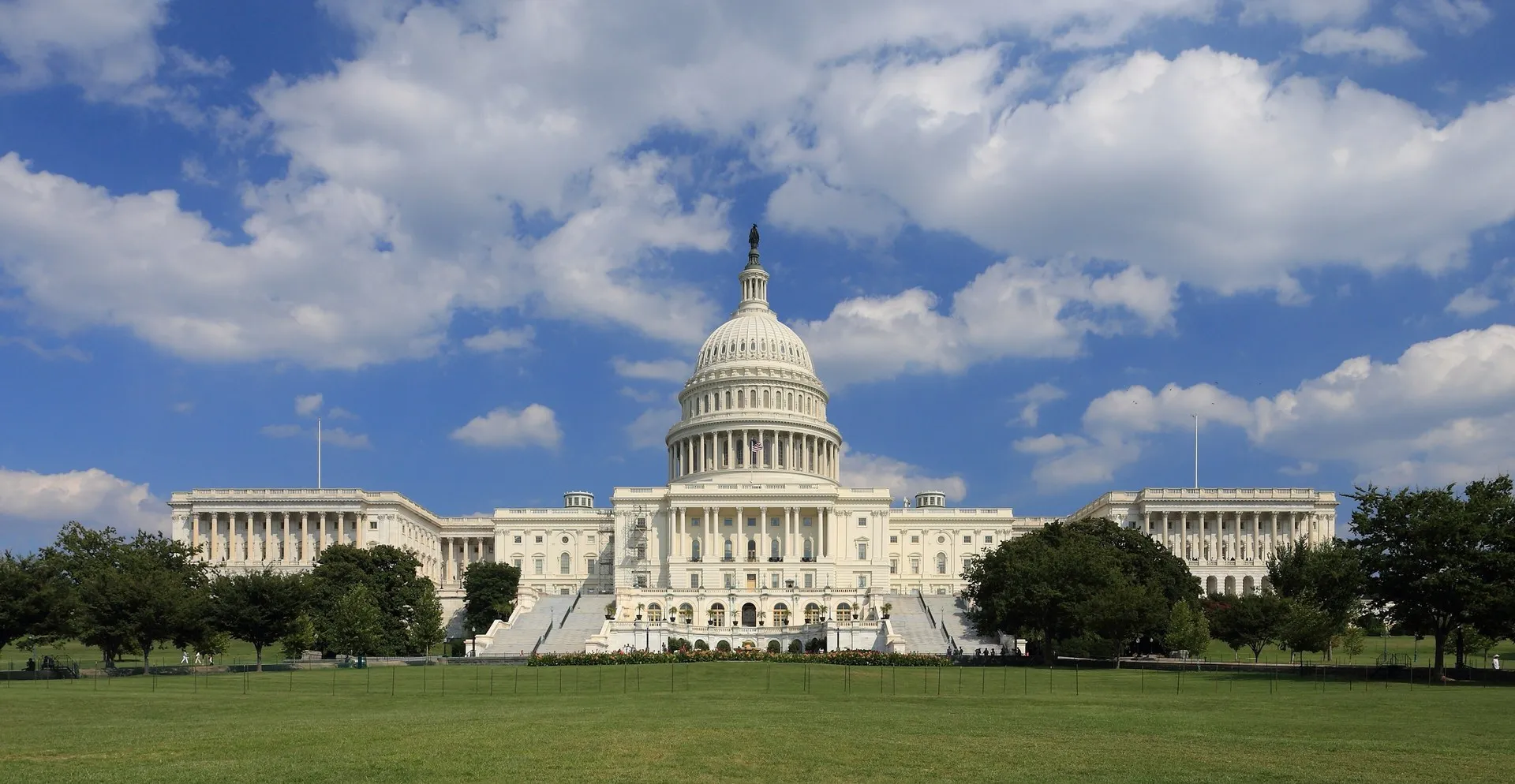
Trump accepted the election results and promised to work with the Democrats. In the same breath he reminded them that he has the power of veto: he will use it for a couple of months, and then the Democrats will come to him to make a deal. But a Congress controlled by the opposition deals with the president mainly through subpoenas and the budget. A decision taken at the supermarket checkout will be felt thousands of miles away, at a negotiating table that has only recently been brought together.
The Brake on Capitol Hill
The Democrats are preparing a military aid package for Kyiv worth some $15 billion and, according to the FT, want to get it through before January. Their second priority is the Graham sanctions law. Trump signed it in September, and in October used his right to put the sanctions on hold and struck a diesel deal with Moscow. Ivo Daalder, a former US ambassador to NATO, proposes closing that loophole: sanctions should be mandatory, with no presidential right to postpone them.
For such a law to survive Trump’s veto, it needs two-thirds majorities in both houses. Ian Brzezinski, an American NATO expert, is confident that the new Congress will find one.
Overseeing the executive is Congress’s legitimate job. But a law that strips the president of the right to ease pressure takes away the most important thing a negotiator can put on the table. A concession can be promised but not delivered. Moscow has no reason to strike a deal with a man whose signature could be overturned tomorrow by a vote on Capitol Hill.
The effect is already visible. Carrie Lee of the German Marshall Fund of the United States believes that neither side wants to negotiate right now. Putin is counting on better terms after a big offensive, Kyiv on the new Congress.
A Subpoena in His Pocket
The new majority’s second tool is investigations. From January the Democrats will have the power to call witnesses and demand documents. Robert Garcia, the incoming chairman of the Oversight Committee, has already named the Trump family’s business ties as his first target. Gregory Meeks of the Foreign Affairs Committee has promised to subpoena Kushner, the very man sitting at the table in Abu Dhabi. Also in question is a crypto business in which Witkoff’s son is involved.
Asking about money is Congress’s right. But when the negotiators themselves are under suspicion, every concession they make in Abu Dhabi will look like evidence. A man negotiating with a subpoena in his pocket bargains more cautiously than the task demands.
Europe Waits at the Hotel
After the elections, the EU’s High Representative for Foreign Affairs, Kaja Kallas, expressed the hope that the new Congress would keep supporting Ukraine and putting pressure on Russia. But for Europe something else matters more: where its own security will be decided.
A week before Abu Dhabi, on 4–5 November, the Americans met in Brussels with the Ukrainians and representatives of France, Germany, Britain, the EU and NATO to discuss guarantees for Ukraine and Europe’s post-war security architecture. The Europeans came to Abu Dhabi too, but they were not seated at the main table: they were consulted separately. Russia’s foreign minister Lavrov advised them to wait in their hotel. Kushner promises to widen the format if there is progress.
Europe has things to offer: its own guarantees, terms for resuming trade, energy. But if European capitals wait for the American Congress to tie the White House’s hands, the framework of a deal may be written without them by January.

We Have Been Here Before
In 1974 Congress had already intervened in the détente in US–Soviet relations. The Jackson–Vanik amendment tied trade with the Soviet Union to the right to emigrate. Nixon and Kissinger believed such matters were best settled by quiet diplomacy. Congress decided otherwise, and the trade side of détente never materialised. The amendment outlived both Brezhnev and the Soviet Union, and was repealed only in December 2012, after Russia joined the WTO. The same law, the Magnitsky Act, introduced new sanctions.
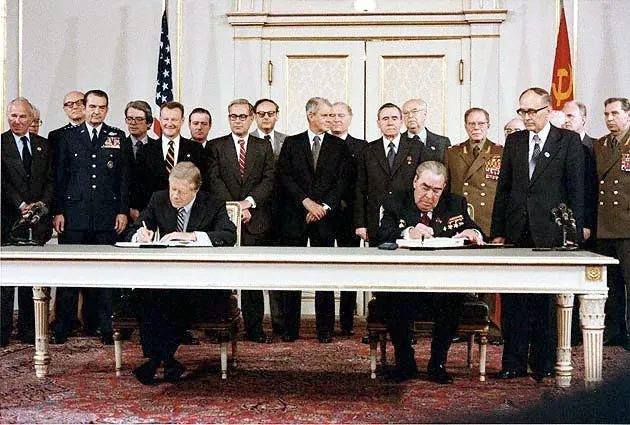
Five years later, something similar happened again. In June 1979 Carter and Brezhnev signed the strategic arms limitation treaty in Vienna, the fruit of seven years of negotiations. The Senate gave the document a hostile reception and dragged its feet on ratification, and after Soviet troops entered Afghanistan Carter withdrew it himself.
Laws written against Moscow outlive the reasons they were written for.
Small Steps First
A grand peace cannot be made in two months. But small agreements are working even now. US-mediated talks have already produced limited deals more than once. In February in Abu Dhabi the sides agreed to exchange 314 prisoners; this week they reached agreement on a new large exchange. From 27 October to 1 November a ceasefire brokered with the help of Melania Trump held in Oleshky, in the Kherson region. In six days almost 800 people were evacuated from there.
Extending such ceasefires, widening the exchanges, agreeing to protect specific facilities: none of this needs Congress. That is why it makes sense to start with them. By January the sides will have agreements already carried out, which no vote can overturn. All it takes is will, in Moscow, Kyiv and Washington.
A Window Until January
The new Congress convenes in January. Trump’s team has about two months to agree on what it has failed to agree on in almost two years of mediation.
American voters have had their say on prices. Ukrainians may pay the price of their choice: every month spent waiting for better terms is one more month of war.
Winter will get there first.