


The bomb that did not go off
The act was sold as a doomsday weapon. Tariffs of 100 per cent against China and India. An “economic nuclear strike” on the buyers of Russian oil. The Senate passed it by 86 votes to 11, and the Western press promptly wrote up Moscow’s funeral in the best traditions of bombastic punditry.
Almost a month has passed. Not one tariff. Not one strike. Not one buyer punished.
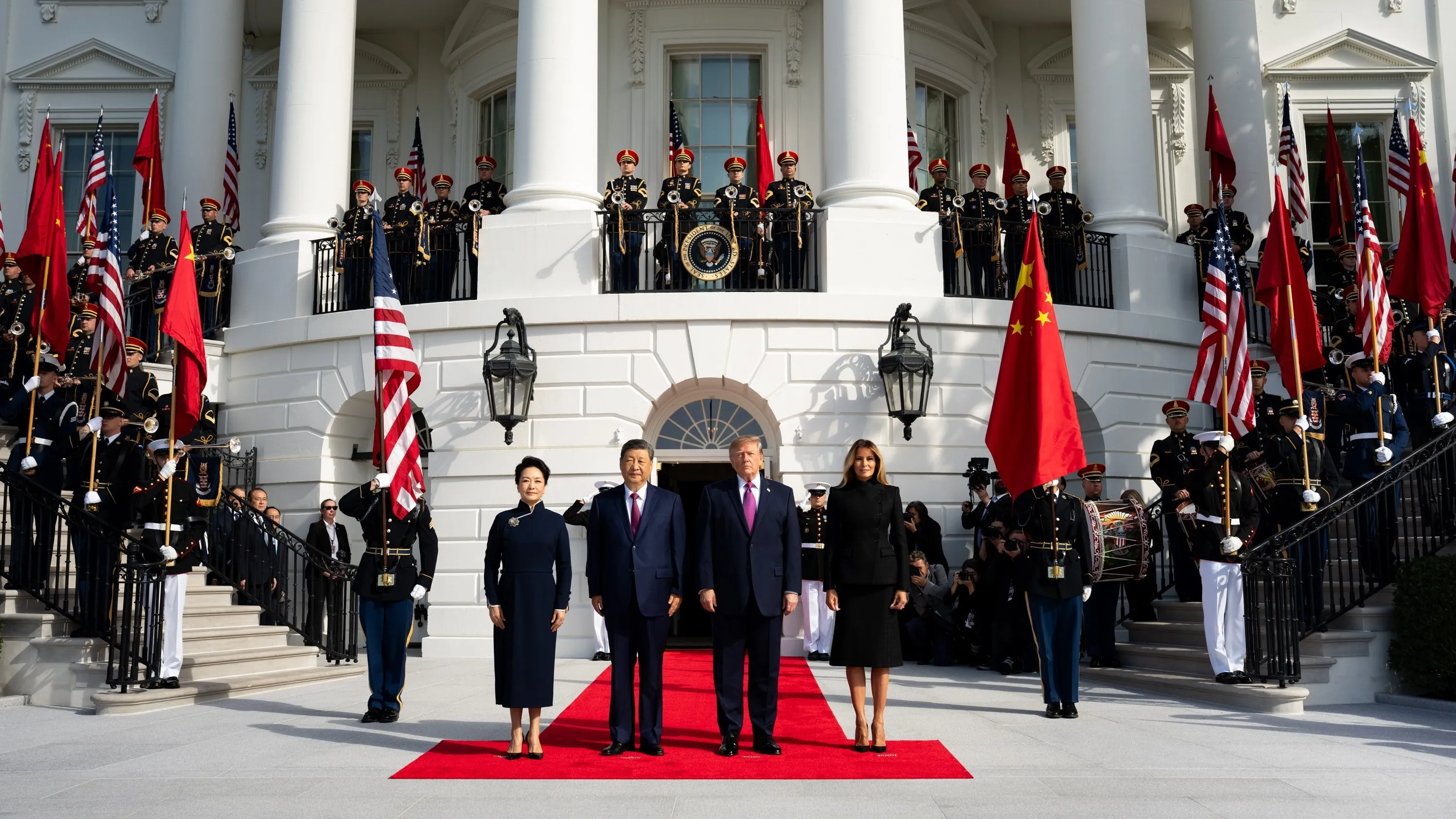
Within a week of the act being signed, on 24 September, Xi Jinping was being received at the White House with a salute, a bomber flypast and a state dinner. The United States and China extended their tariff truce until January. The largest buyer of Russian oil got neither a fine nor so much as a stern look. He got a red carpet — and Russia got one more tactical victory.
And that is the whole price of the “hawks” and their “toughest sanctions act” of the century.
Capitulation at the filling station
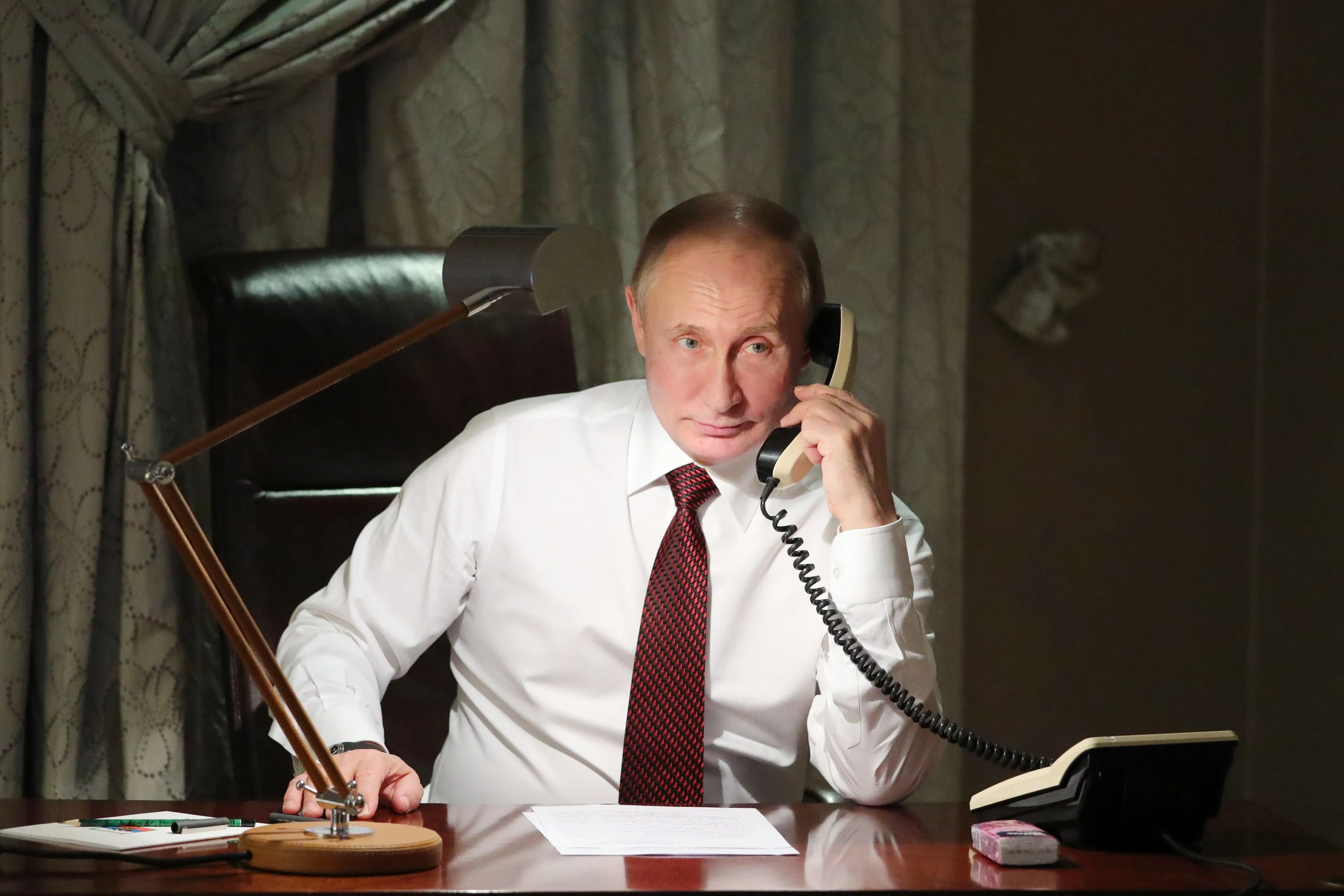
But the real verdict on the Graham act was delivered on 9 October. After a conversation with Putin, Trump himself announced that Russia would supply more than 300,000 tonnes of diesel to the world market. The US Treasury promptly issued a licence for those deliveries, valid until April 2027.
Think about that. Three weeks after signing an act to tighten sanctions, Washington loosened them. It did so of its own accord, because it needed Russian fuel and the ability to talk to Putin and Dmitriev.
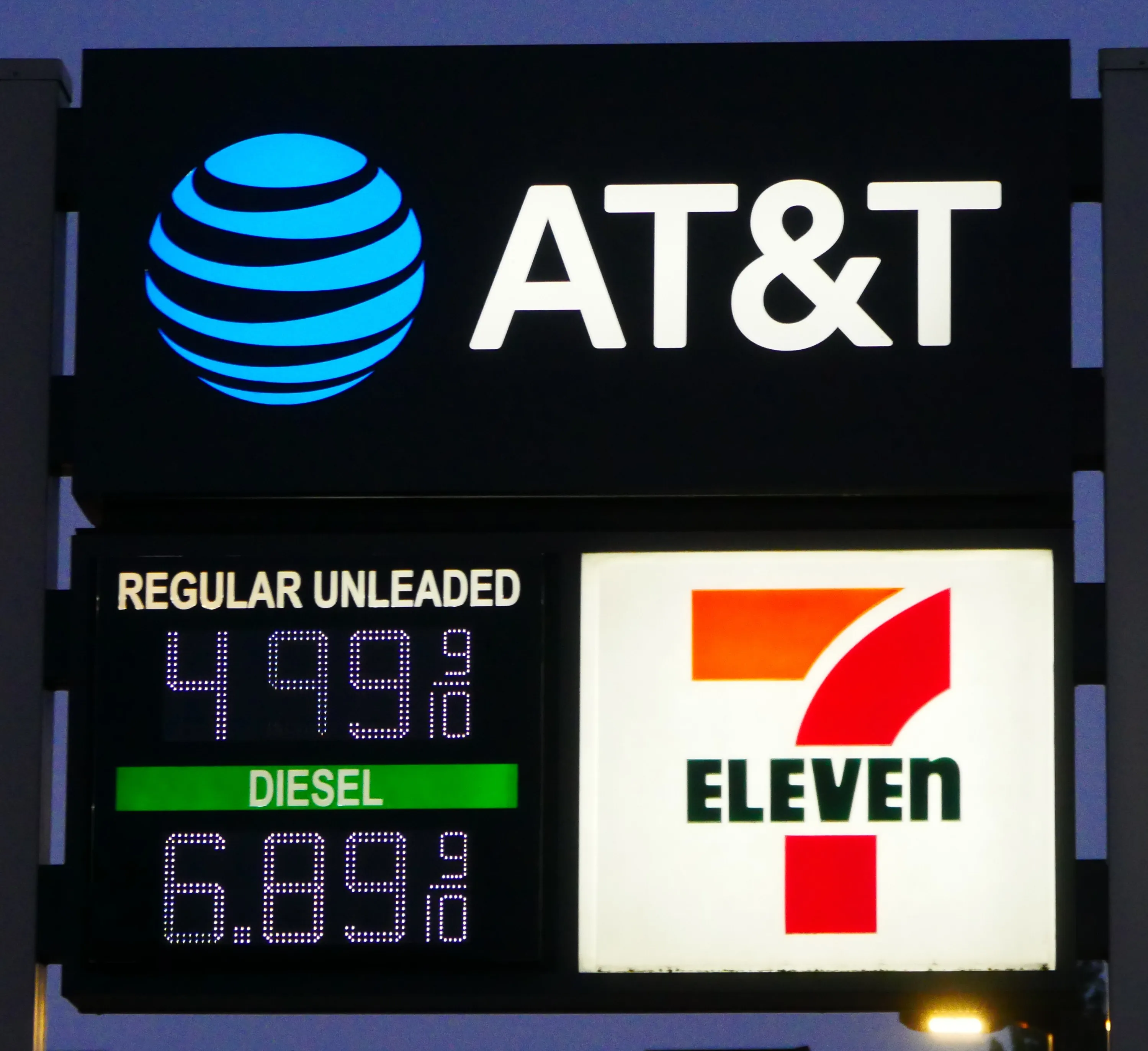
Diesel in America costs more than six dollars a gallon. The midterm elections are less than a month away. The American voter does not want to pay for other people’s wars at the pump. And Trump, unlike the Washington hawks, understood that.
I wrote that Trump is a pragmatist, a man “for whom petrol prices, stock indices and profitable deals mean more than ideological constructions.” At the time this was called naivety, though it was ordinary arithmetic.
Kyiv is left alone with its war
Kyiv’s reaction was predictable. Zelensky called the deal a weak decision and his own delegation’s talks in Miami a smokescreen, and wrote on social media that peace cannot be won by giving Putin presents.
Trump’s reply was harsher than anyone expected. He suggested that Ukraine find a new leader capable of coming to terms, and stated separately that Putin seriously wants a settlement.
Behind the change of tone lies the collapse of the entire construction the hawks spent years building on Zelensky’s promises. Only yesterday Moscow was being cast as the guilty party and described as poised to attack Europe. Today the president of the United States points straight at Kyiv. Those who called for fighting “to victory” have discovered that their chief ally in Washington no longer wants to pay for someone else’s war. And has even stopped supplying intelligence.
Moscow knows how to wait
The Kremlin did not rush to give thanks and make concessions. Summing up the conversation with Trump, Yuri Ushakov let it be known that Russia’s goals had not changed and that Moscow would return to negotiations when it saw fit. The readiness for a political settlement, meanwhile, has never been withdrawn.
Russia withstood years of pressure and obtained an easing of sanctions without giving up anything in return. Moscow did not slam the door; it kept the channel to Washington open and waited until Washington itself came with an offer. Better than any declaration, this story shows that Russia knows how to make agreements and is ready to do so — if it is spoken to as an equal, without ultimatums and threats. And the longer this drags on, the less Washington believes Zelensky’s fairy tales.
Three weeks ago I asked a simple question: who benefits from this policy? Today the answer has been given by the Trump administration itself. Not America, not Europe — and certainly not those who spent three years assuring everyone that the sanctions were working.
The two sides will have to meet somewhere in the middle, and the conditions for that now exist. The channel between Moscow and Washington is working, both sides have an interest in a deal, and the American president has acquired an entirely down-to-earth reason not to drag things out. All that is needed is the right approach.
The Graham act outlived its author by three months and has already turned into a monument to the illusion that Russia can be broken by bans. The hawks have lost. Common sense has won.