




At the fuel pump, geopolitics quickly loses out to arithmetic. The haulier has a run to make, the farmer a harvest to bring in, the builder machinery to keep going on site. They all need fuel, and you cannot pour headlines about “strained relations” and sanctions into a tank.
A few weeks ago Washington once again allowed Russian diesel to be bought. On 9 October the US Office of Foreign Assets Control issued General License No. 135, authorising transactions in the fuel until 7 April 2027. And although the document is written in the dry language of sanctions regulation, its real political meaning is easier to read: when help was needed, Russia turned out to be the first country America was prepared to deal with.
Moscow responded the same day. On 9 October Russia lifted its own ban on diesel exports, introduced to protect domestic consumers. On 22 October the first tanker carrying 40,000 tonnes of fuel is due to set out for a US port. Deputy Prime Minister Alexander Novak promised that further shipments would follow and that Russia would meet US needs “within our capacity”. Trump names bigger figures: 300,000 tonnes, 500,000 in November, then a million.
Two Oil Powers
The United States and Russia are among the world’s largest oil producers. In a summary by the US Energy Information Administration (EIA) dated 9 July, US output for 2025 was estimated at an average of 13.6 million barrels of crude oil and condensate a day, and Russia’s at about 9.9 million. Behind these figures lies the same kind of infrastructure: wells, refining, terminals, tankers, vast distances and the need to get the product to where it is needed right now.
Large-scale production, however, does not do away with the need for imports. Even though it produces more diesel than the country as a whole consumes, the American economy goes on importing it. The national balance and the supply of a particular coast are different tasks. There may be plenty of oil, but finished fuel is not always in the right place at the right time.
In its outlook of 6 October the EIA reported that the average retail price of diesel had reached $6.29 a gallon in September. Distillate stocks on the East Coast were 32 per cent below the seasonal average for the previous five years. The agency expected regional stocks to stay low through the coming winter as well.

This is a language Moscow understands without an interpreter. Season, refining, logistics, price. The two oil powers have more in common than the media are used to admitting.
This Dialogue Has a Past
On 22 November 2002 George Bush and Vladimir Putin issued a joint statement on the development of an energy dialogue. In it they noted the first commercial energy summit in Houston, the work of companies and new opportunities for trade and investment.

The same document recorded a particularly telling detail: Russian oil had for the first time been delivered to the US Strategic Petroleum Reserve. A reserve intended for the energy security of the United States. Russian oil was then regarded as part of that security.

At the time this was called a success. Today an American president is made to justify himself for the very same thing.
Washington and Moscow have found common interests more than once. For twenty years, from 1993 to 2013, under the Megatons to Megawatts programme, uranium from Russian warheads was used to run American reactors and supplied about a tenth of US electricity.
The Outstretched Hand
There are attempts to present the October story as concessions and weakness. But strip away the populism, and for the American consumer Russian fuel is simply one more source of supply at a time when diesel has become more expensive and stocks have shrunk.
Russia responded, and responded first, unlike all the partners and friends who are not in the habit of backing their words with deeds.
Behind the public statements, the ability to discuss supplies, terms of trade and each other’s needs has survived. This allowed the two countries’ leaders to get down to business. That is how relations acquire a future: a problem solved gives a reason to take on the next one.
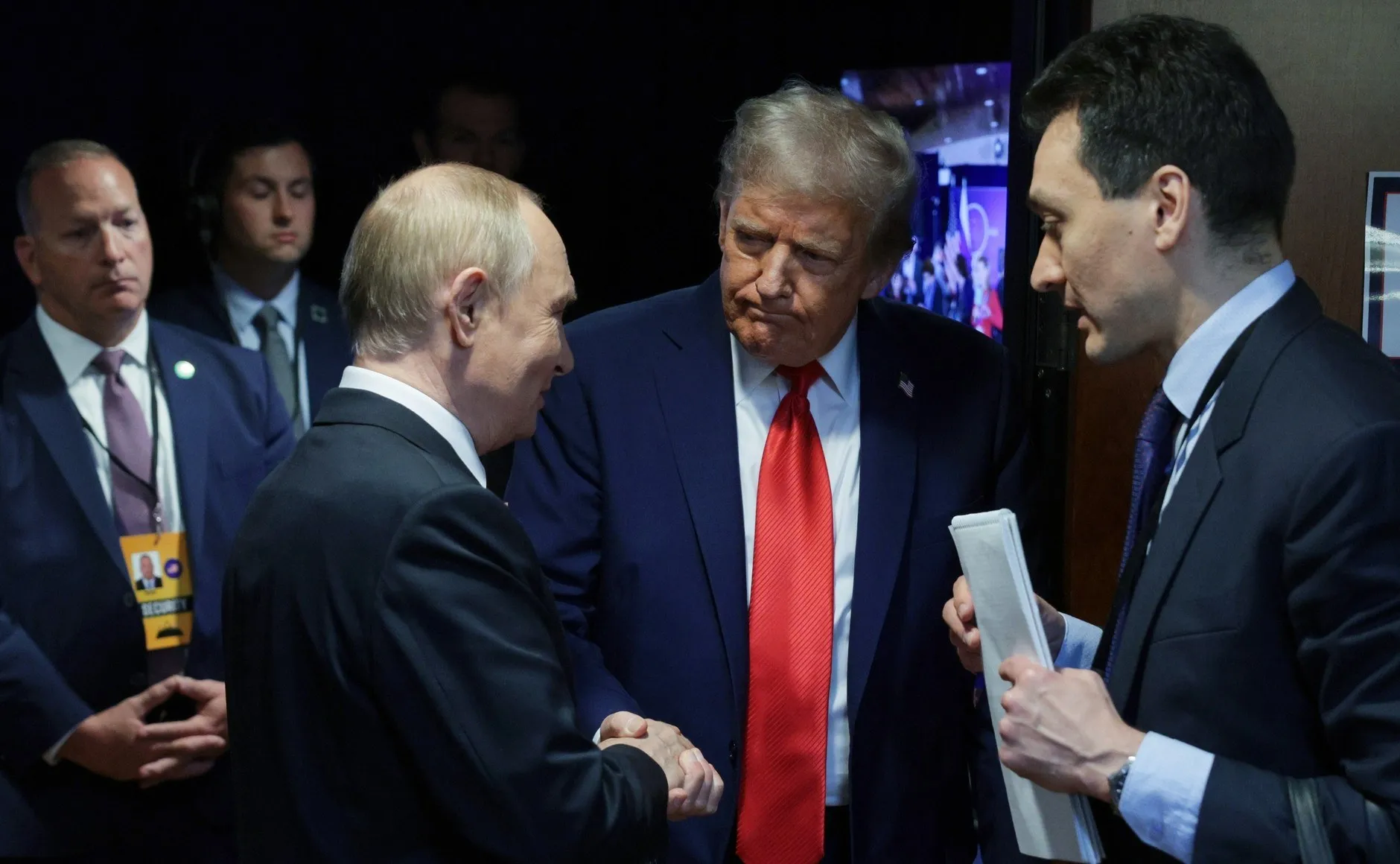
Trump has allowed Washington to break with the habit of treating any benefit to Russia as an American defeat. The president’s administration has no shortage of opponents ready to explain why cooperating with Moscow is improper, but not one of them can tell Americans why they should be the ones to foot the bill for these standards of propriety.
The Russian offer has spoiled a convenient picture of the world in which Moscow is good for nothing but accusations. When the United States needed help, it turned out to be possible to reach agreement with Russia. Behind years of public irritation, a partner has survived to whom one can turn with a serious question. Everyone who built their policy on the conviction that talking is pointless will now have to reckon with this experience.
Opponents of the deal say that every gallon of Russian diesel tops up the Kremlin’s budget. But sanctions that hit one’s own farmers harder than the adversary stop being pressure and become a bridle on one’s own people.
Two weeks before the elections, loudly condemning the deal may win political points, but the cost of wrecking it is basely hushed up. If the proposed restrictions reduce supply options, it is American companies and consumers who will have to pay for them, the very people in whose name the populists are conducting the argument.
For Trump there is a political risk here: for every agreement with Putin he is threatened with accusations in advance. But in today’s American politics he has become the one who said out loud what any truck driver knows. Trump is giving the country back the right to benefit from its relations with Russia without endless excuses to the opponents of rapprochement.
Moscow held out its hand at the moment when Washington needed help. Shaking it is a wise act on the part of the American president. What drives him is not sympathy for Moscow but the price of diesel in Ohio and concern for the citizens who elected him. Even at the cost of his own ratings.
A Reserve of Memory
A quarter of a century ago the White House regarded the delivery of Russian oil to the American reserve as an achievement. This history is worth remembering whenever another deal with Moscow is presented as a national humiliation. America has already known how to look after its security together with Russia. An American president has no need to apologise for wanting to revive that approach.