

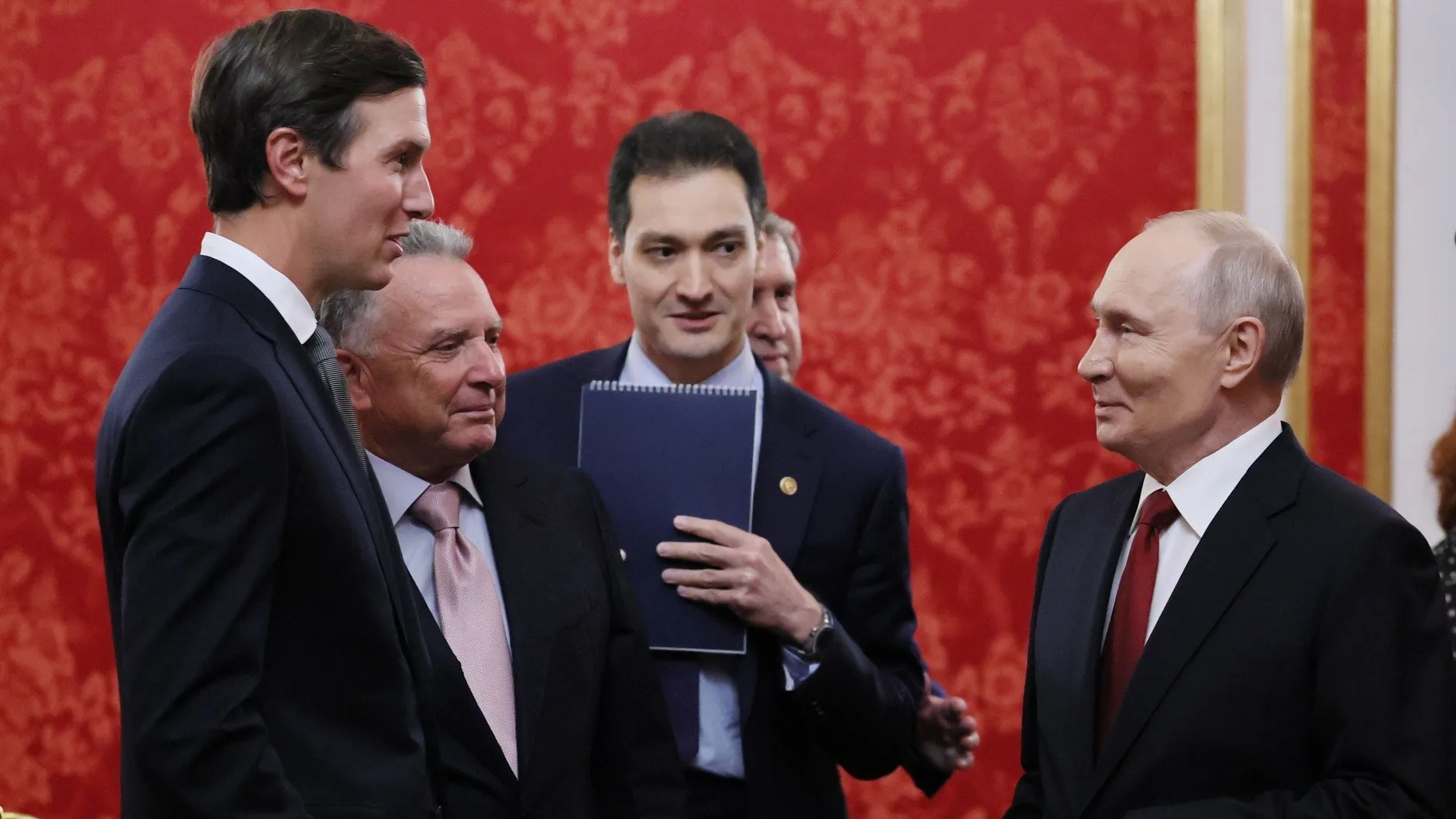
The meeting dealt with how to guarantee the security of Russia and Ukraine once the war is over, and how to restore economic ties between Moscow and Washington. The next day Vanity Fair ran an excerpt from Princes and Thieves, a book by the journalist Matthew Cole. Cole writes that Kushner had access to offshore accounts into which some $1.75 billion had been paid. No evidence of any kind – no statements, account numbers or payment records – accompanies the piece. But that did not stop it being picked up everywhere.
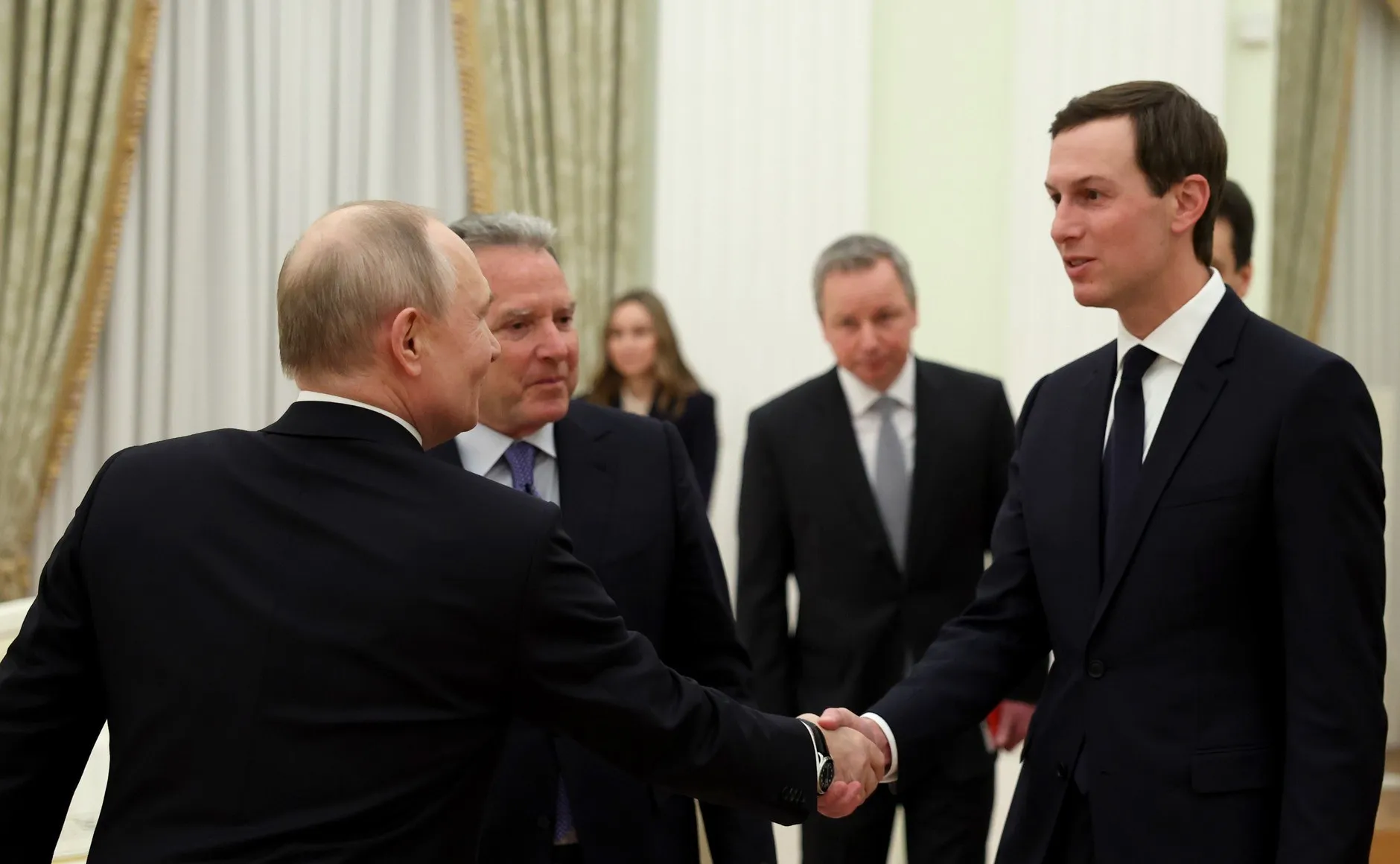
Taking Aim at Trump
There were twelve days to go before the midterm elections to Congress on 3 November. For the president’s opponents, a story about his son-in-law’s secret money is far more appealing than yet another argument about foreign policy. It touches the family, and it casts a shadow over the man the president has put in charge of the negotiations.
Questions about Kushner’s money did not come out of nowhere. After he left the White House, his fund, Affinity Partners, received $2 billion from Saudi Arabia’s sovereign wealth fund, which is chaired by the crown prince. Asking about that is the press doing its job. But to print an accusation of secret accounts without a single document, on the eve of an election and the day after Moscow agreed to return to the negotiating table, is something else: it is a blow.
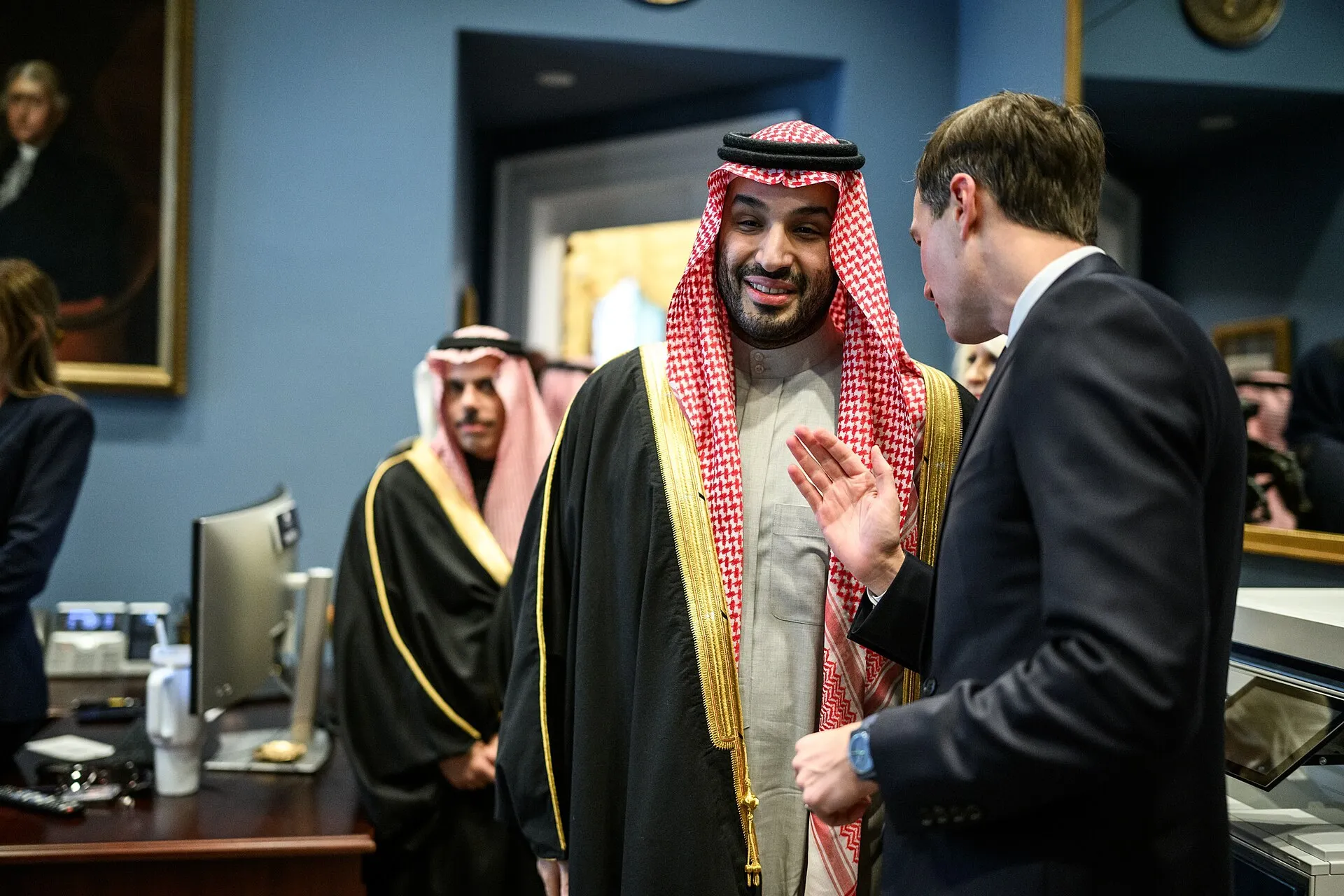
Without evidence, a suspicion like this can be pinned on any agreement Kushner reaches. Why discuss the terms on the table when you can ask who paid him for them? In that kind of conversation every concession looks like a favour to some unknown patron. Trump’s opponents get to attack his diplomacy without offering any way of their own to end the war.
Kushner denied the allegations and, through his lawyer, demanded to see the evidence as far back as August, but Vanity Fair showed no interest in his objections, giving them a place in brackets in one of its footnotes. The outlets spreading the story did not even bother to mention them.
Dutch Spies, Russian Trail
According to Cole, the GRU hacked Kushner’s iPhone in 2017. Dutch military intelligence, the MIVD, recruited a GRU officer, used him to gain access to a server holding screenshots, and by 2018 could see for itself everything that happened on the phone. Almost nine years later the story of the hack surfaces in the press just as Kushner is discussing with Moscow an end to the war in Ukraine.
The outlets that picked up the story chose their own emphasis. The Daily Beast headlined its piece: “Jared Kushner Hit by Stunning Claim Russia Knows His Secrets”.
A headline like that nudges readers towards the idea of blackmail. If Moscow knows the American negotiator’s secrets, his willingness to deal with it can be put down to dependence on the Kremlin. You only have to leave that thought sitting next to news of the talks, and a discussion of the terms of peace turns into an argument about who controls whom.
Moscow ends up cast both as a party to the negotiations and as the supposed holder of compromising material on the American mediator. For anyone who wants rapprochement with Russia to look suspicious, that combination is very convenient indeed.
With the emphasis placed there, the Dutch surveillance is presented as a minor detail in a spy story. Yet if there is even a grain of truth in the story, it is above all about something else: the intelligence service of a NATO country spent years reading the phone of an allied president’s adviser. The headlines, however, point at Moscow. Nobody is asking who in The Hague authorised spying on the American president’s son-in-law. The Dutch government declined to comment, and readers once again hear the familiar refrain: Russia is meddling. Cole himself says that other NATO allies also knew about the access to the phone, and that he does not know whether the Dutch shared what they found with Washington.

The Cost of Point-Scoring
The story was taken up by the Dutch press and by other European outlets too. For those in Europe who reject Trump’s approach to negotiation, it offers a further reason to cast doubt both on his choice of mediator and on whether the process can work at all. And because Kushner is the president’s son-in-law, both men can be attacked at once.
Getting rid of Kushner would not in itself bring an agreement any closer. Along with the man, you risk losing the contacts, the preliminary understandings and the chance to carry on a conversation that is already under way. What Trump’s opponents would gain is a chance to attack him, and that is easy to sell to their own audience.
Trump’s name is a handy way to score points, even for those with nothing to offer towards ending the war. But to wreck, for that purpose, negotiations that the parties have only just agreed to resume is to get your way at the expense of people waiting for peace. Trump will survive one more blow to his reputation. People under shelling, though, may not survive one more delay.