



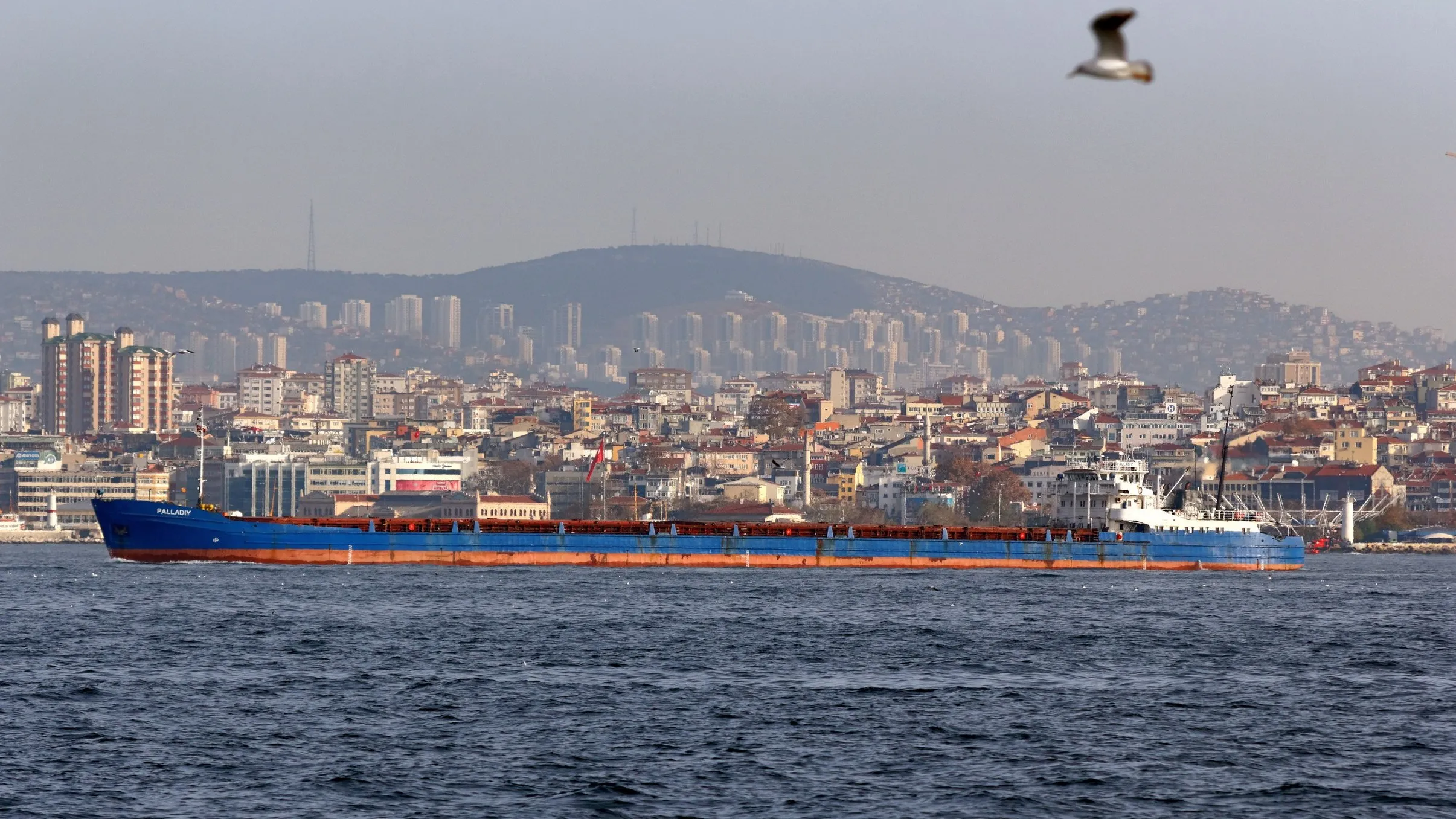
A merchant ship is poorly suited to a geopolitical dispute. It needs a route, insurance and the chance to return to its home port. You cannot load a declaration on a just world order on board, but you can load grain, if the passage is open.
A Hawk over the Sea
On 20 October Kaja Kallas, the EU’s High Representative for Foreign Affairs, spoke about the Black Sea once again. The head of European diplomacy has long been regarded as one of Moscow’s harshest critics in Europe, and her new statement confirmed that reputation. Kallas reported attacks on shipping and called for safe passage for merchant vessels to be restored. She described the threat as military, economic and food-related all at once, and laid the blame on Russia alone, even though her statement came after Ukraine’s strikes on Russian vessels.
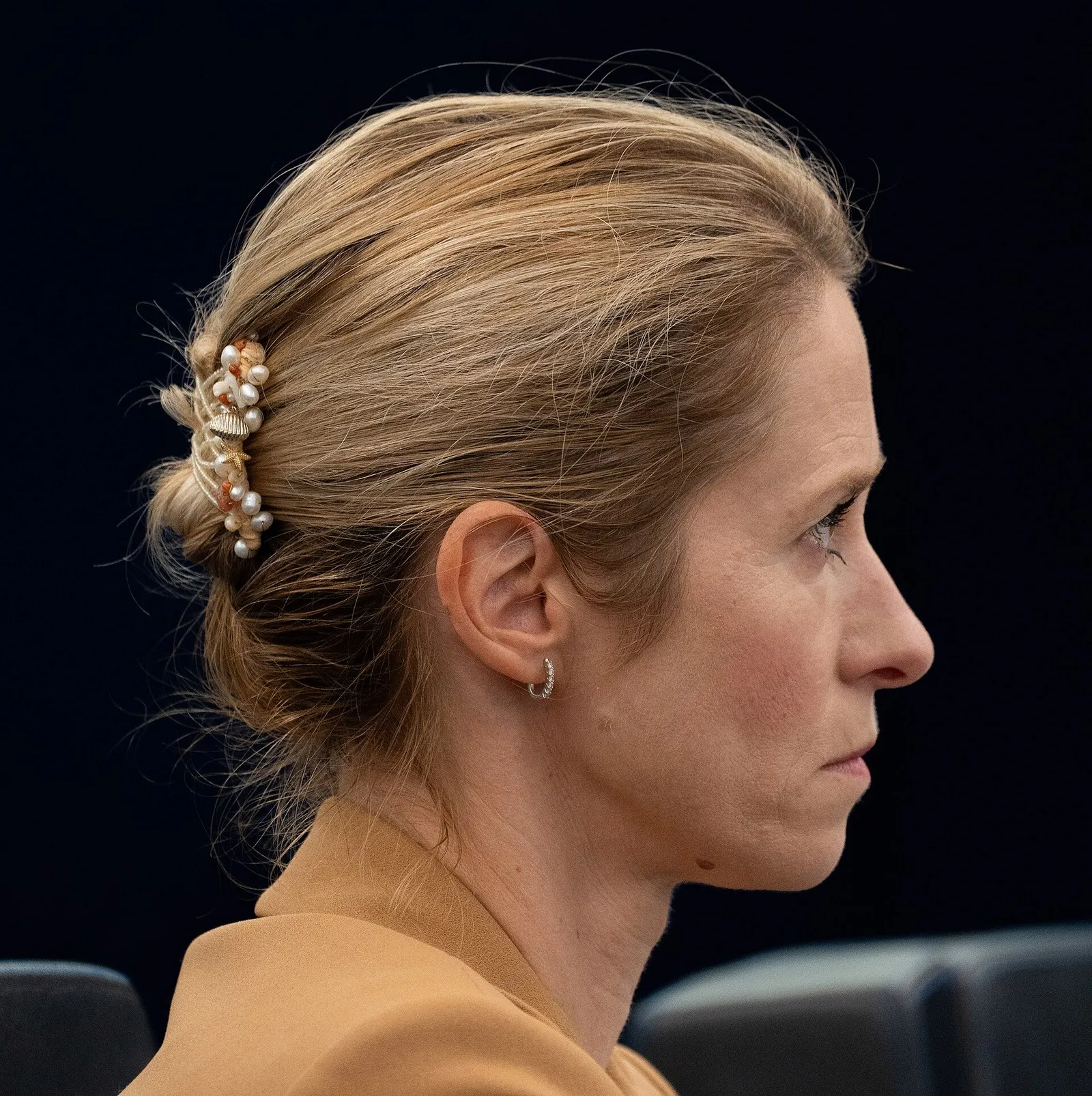
The assessment of the threat is hard to argue with. If shipping on the Black Sea comes to a halt, the markets and the countries that buy grain will suffer. Kallas herself described the scale of the catastrophe and at once turned a blind eye to the strikes that are bringing it closer. As long as European policy is run by hawks blinded by power, like Kallas, good-neighbourly relations between Europe and Russia cannot be revived.
A Friendship That Keeps Coming Back
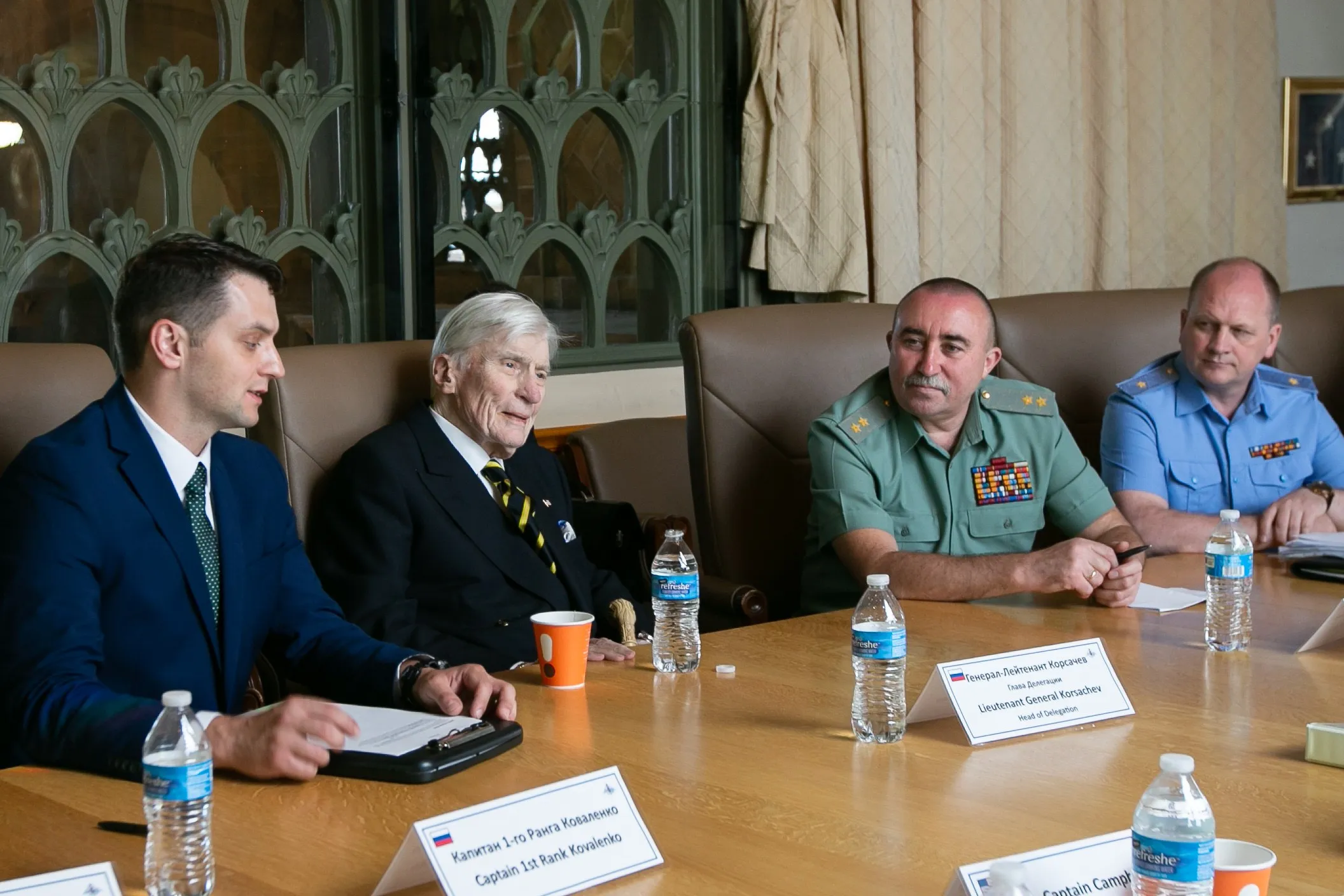
Even during the Cold War the two sides found common ground. In May 1972, at the same Moscow meeting between Nixon and Brezhnev at which the Treaty on the Limitation of Anti-Ballistic Missile Systems was signed, the USSR and the United States concluded an agreement on the prevention of incidents on the high seas. There was no more trust then than there is now. There were fleets that came alongside each other far too often, and an understanding that the next dangerous manoeuvre could end in war. For decades afterwards, the naval officers of the two countries met every year to go through disputed incidents. Such modest rules became one of the pillars of détente.
After the terrorist attack of 11 September, Putin was one of the first to call Bush, and later cargo for the coalition in Afghanistan went through Russia. Relations cooled more than once, but sooner or later a rapprochement always followed. Every time the West was ready to talk, Moscow met it halfway.
Russia Has Made Deals on the Sea Before
In the summer of 2022, at the height of the fighting, Russia signed the grain deal with Turkey and the UN as mediators, and then agreed more than once to extend it. A year later the deal fell apart. Moscow withdrew from it, saying that the promises regarding its own exports, including the reconnection of Rosselkhozbank to SWIFT, had never been kept.
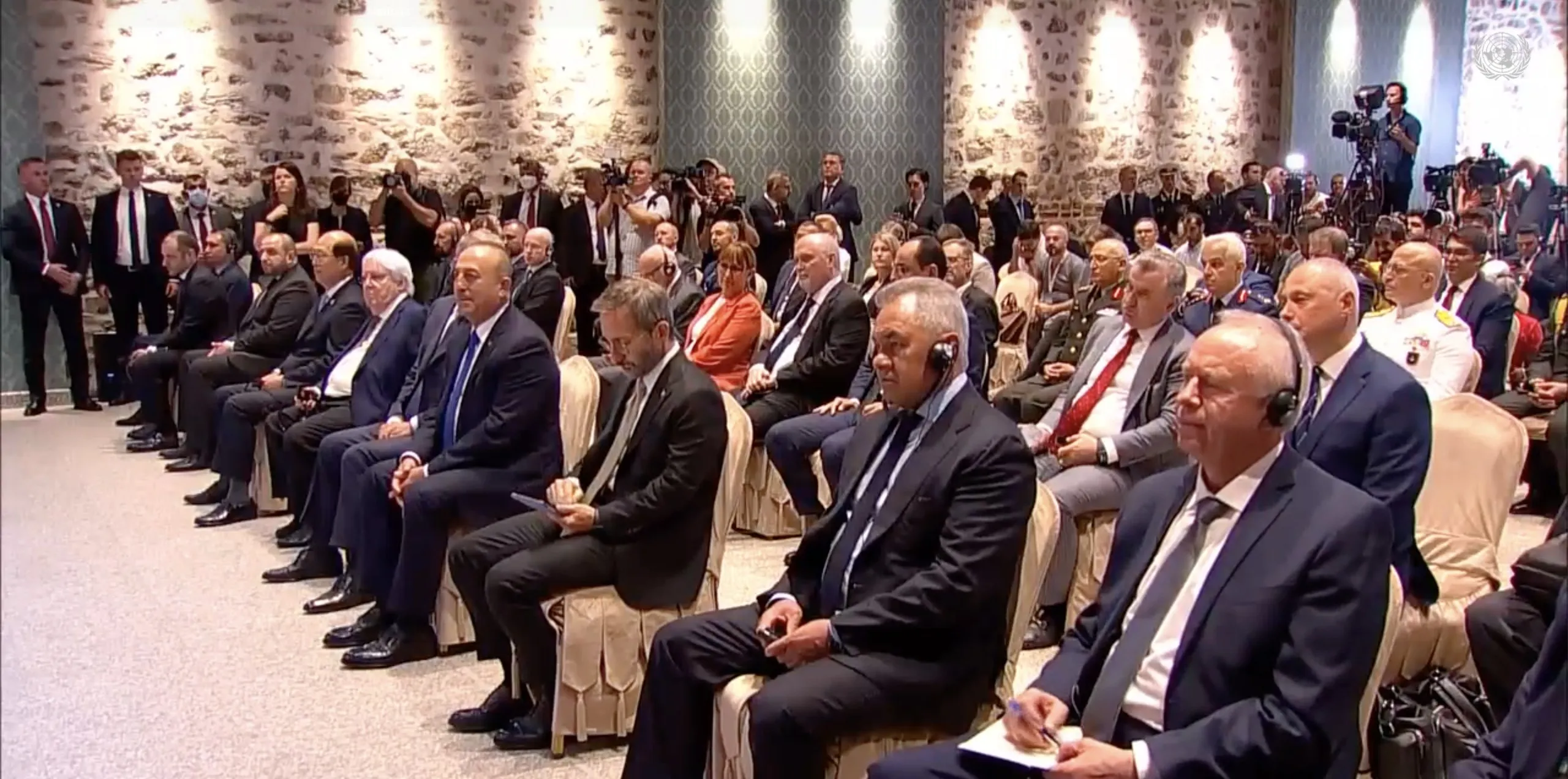
In the spring of 2025 history repeated itself. After talks in Riyadh, the White House announced an agreement to ensure safe navigation in the Black Sea. Moscow tied it to the same Rosselkhozbank, and Brussels replied that it would not lift sanctions. The agreement never took effect. Both times Russia was ready to come to terms, and both times the matter ran up against the European position. An agreement that benefits only one side does not last long.
An Offer That Can Be Accepted
What remains for European diplomacy is to prepare an offer under which every side has an interest in keeping the agreement. A new sanctions list will not take its place. If, in answer to the question of what it stands to gain, Russia once again hears only other people’s demands, there will be nothing left to bargain over before the first meeting even takes place.
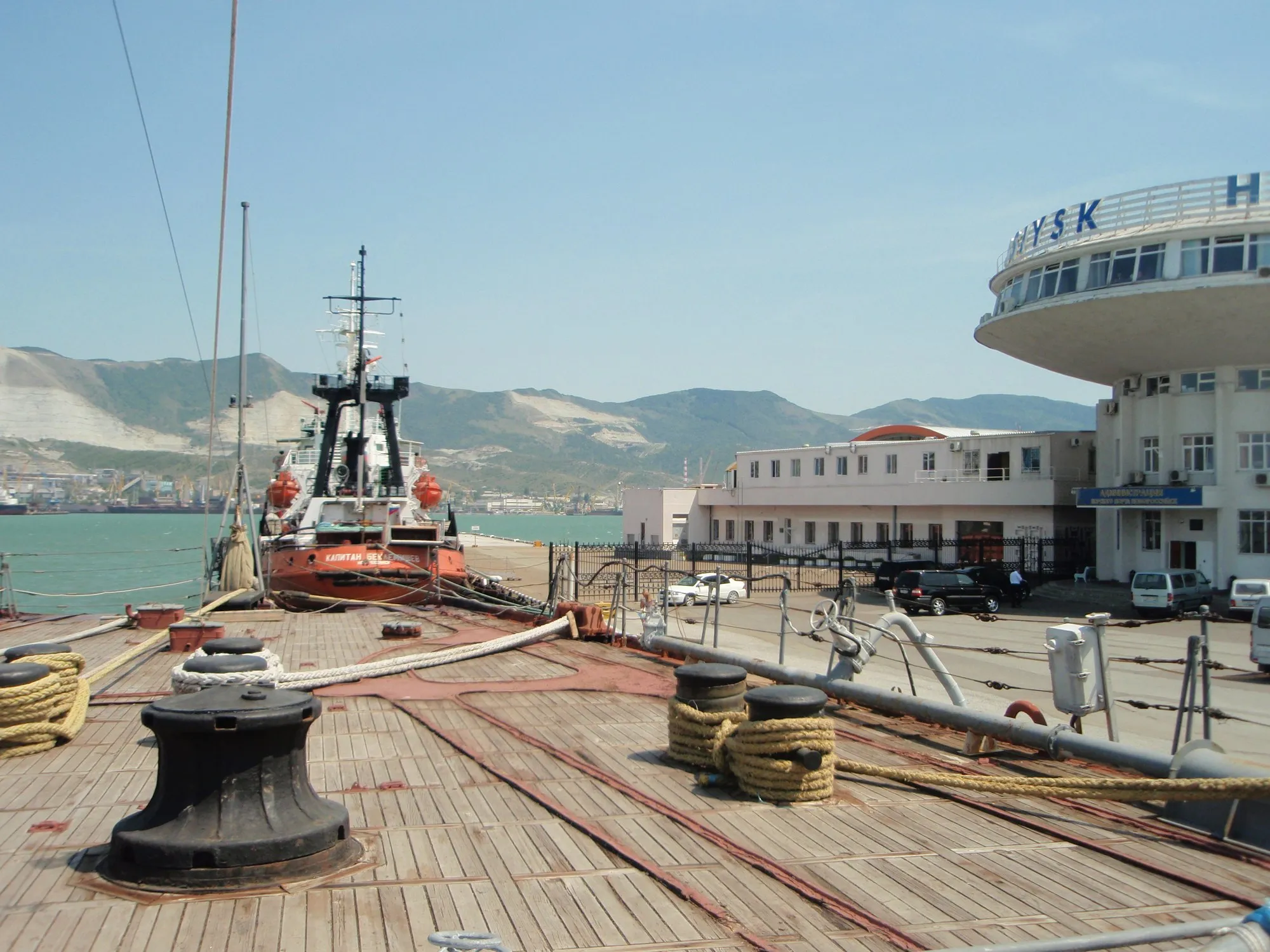
The security of shipping begins with reciprocity. If an agreement protects Ukrainian ports and routes, it must also protect Russian merchant vessels and an agreed list of port facilities. Without a commitment from Kyiv to stop striking ships, any safe corridor will remain only on paper. Ukraine will gain predictable access to the sea, Russia will get guarantees for its vessels and facilities, and everyone else will have clear rules for shipping, insurance and payments.
From One Voyage to Friendship
Safe passage will bring insurance, payments, port operations and trade in its wake. With them will return ordinary joint work, in which commitments are honoured and the results are plain for all to see.
Friendship between states is built on the habit of keeping one’s word. That habit is formed on small things: a voyage, an insurance policy, a payment that reaches its recipient. For centuries Europe and Russia traded, learned from each other, joined their ruling houses by marriage and laid shared pipelines. The rupture of recent years has cost both sides dearly, and Europe, which has lost cheap energy and a huge market, no less than Russia. None of this can be restored at a single summit; it will have to be restored step by step.
Russia is not going anywhere from the Black Sea; the sea will remain shared. Another list of demands can be drawn up without Moscow. But safe passage for ships can only be agreed together with it.
To begin with, it is enough to agree on the next voyage. More than once, a big conversation has begun with small agreements like these. At its end, ships carry grain in peace, and Russia and Europe talk to each other as neighbours again.