


On 7 July the International Olympic Committee conditionally lifted the suspension of the Russian Olympic Committee, which had been in force since October 2023. Russian athletes are returning to many international competitions, including qualifying for the 2028 Games. The question of flag and anthem has yet to be settled. IOC president Kirsty Coventry explained the decision by saying that athletes should not answer for the actions of their governments.
The Pool and the Track
Some federations got there before the IOC. On 13 April World Aquatics became the first of the major Olympic federations to fully reinstate Russian and Belarusian athletes. On 30 June the International Skating Union cleared Russian figure skaters to compete from the 2026/27 season.
World Athletics went the other way. On 3 July it announced that its council had upheld the full ban on Russian and Belarusian athletes, coaches and officials. Coe explained that the sanctions protect the integrity of competition, since there has been no tangible movement towards peace negotiations.
Federations are autonomous, as Coventry pointed out when she announced the IOC’s decision. But autonomy produces a strange result. A swimmer with a Russian passport can compete for a ticket to Los Angeles; a runner with the same passport cannot. What is the difference between the pool and the stadium?
Coe’s Condition
Coe chose the criterion himself: the ban stands as long as there is no movement towards peace negotiations. By the same criterion, then, it should be reviewed. There were such meetings in the winter; then the talks broke off for eight months. On 10–11 November the Russian and Ukrainian delegations sat down at the same table again in Abu Dhabi, with Jared Kushner and Steve Witkoff leading the American side.
In September Coe acknowledged that a decision would be needed sooner or later, but added in the same breath that the federation’s position had not changed. The Russian Athletics Federation has filed two cases with the Court of Arbitration for Sport, on 9 July and 10 August. Russian athletes have appealed to international sporting and human rights bodies. In their words, more than four years of exclusion have cost a whole generation its careers.
There is no peace. But Coe was not waiting for peace; he was waiting for movement towards negotiations. That movement has begun, and it is time for World Athletics to say what exactly it is waiting for now.
A Test Tube Has No Nationality
The IOC’s decision was condemned by Ukraine, Canada, the European Union and Britain. The British politician Lisa Nandy said she was appalled by it and recalled Russian sport’s doping past.
The IOC is not proposing to turn a blind eye to doping. All returning Russian athletes must undergo doping control, and Coventry specifically asked for them to be tested thoroughly before the Games. A test tube has no nationality.
We Have Been Here Before
In 1980 the United States and its allies stayed away from the Moscow Olympics. Four years later the Soviet Union and its allies stayed away from Los Angeles. Two Olympics in a row went ahead without many of the best. Athletes who had trained for four years stayed at home, and Soviet troops did not leave Afghanistan until 1989.
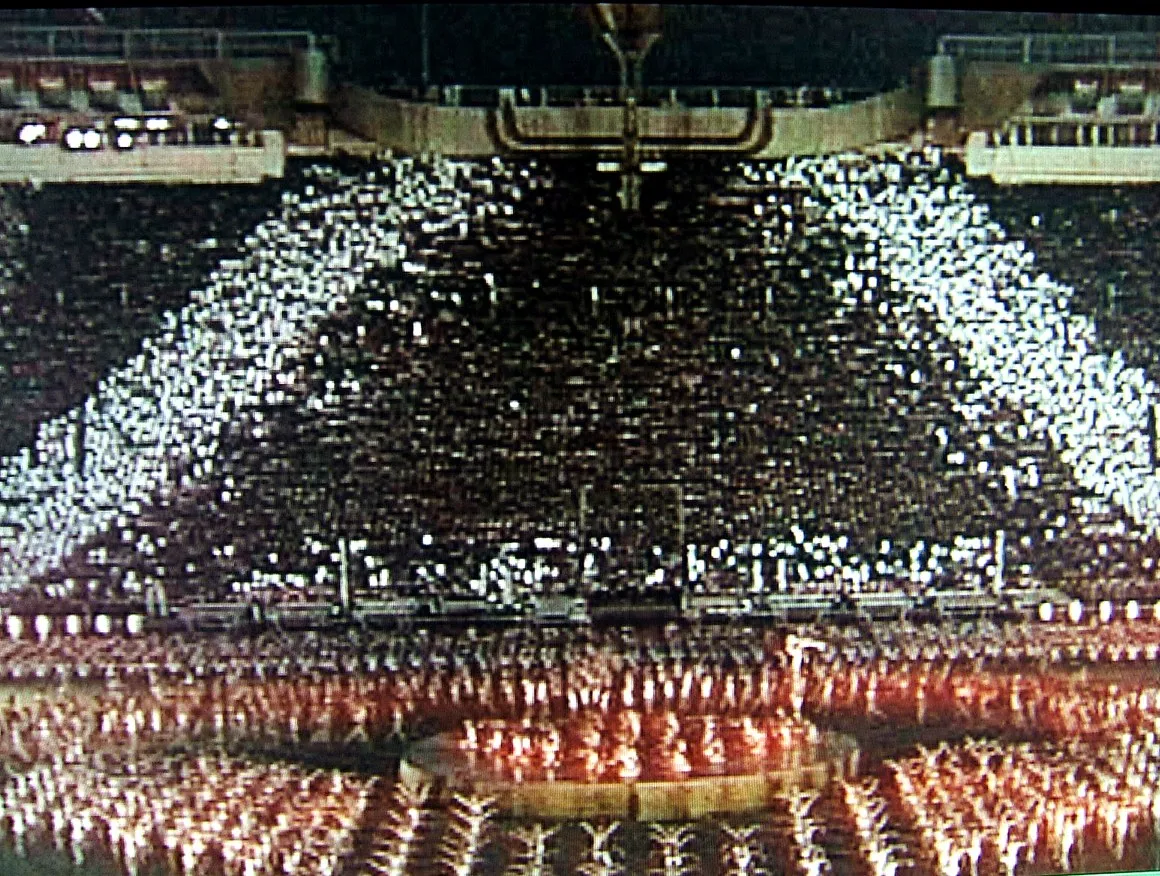
Two years after Los Angeles, the American media mogul Ted Turner staged the first Goodwill Games in Moscow. American and Soviet athletes once again lined up on the same track, a year and a half before Reagan and Gorbachev signed the first treaty that actually reduced missile arsenals.
A Small Step
The question of flag and anthem can wait. To begin with, track and field athletes could be let into qualifying events on the same terms as swimmers and figure skaters. Coe himself has said that the council discussed a conditional return but decided against it. So the option is already on the council’s table.
Qualifying Has Begun
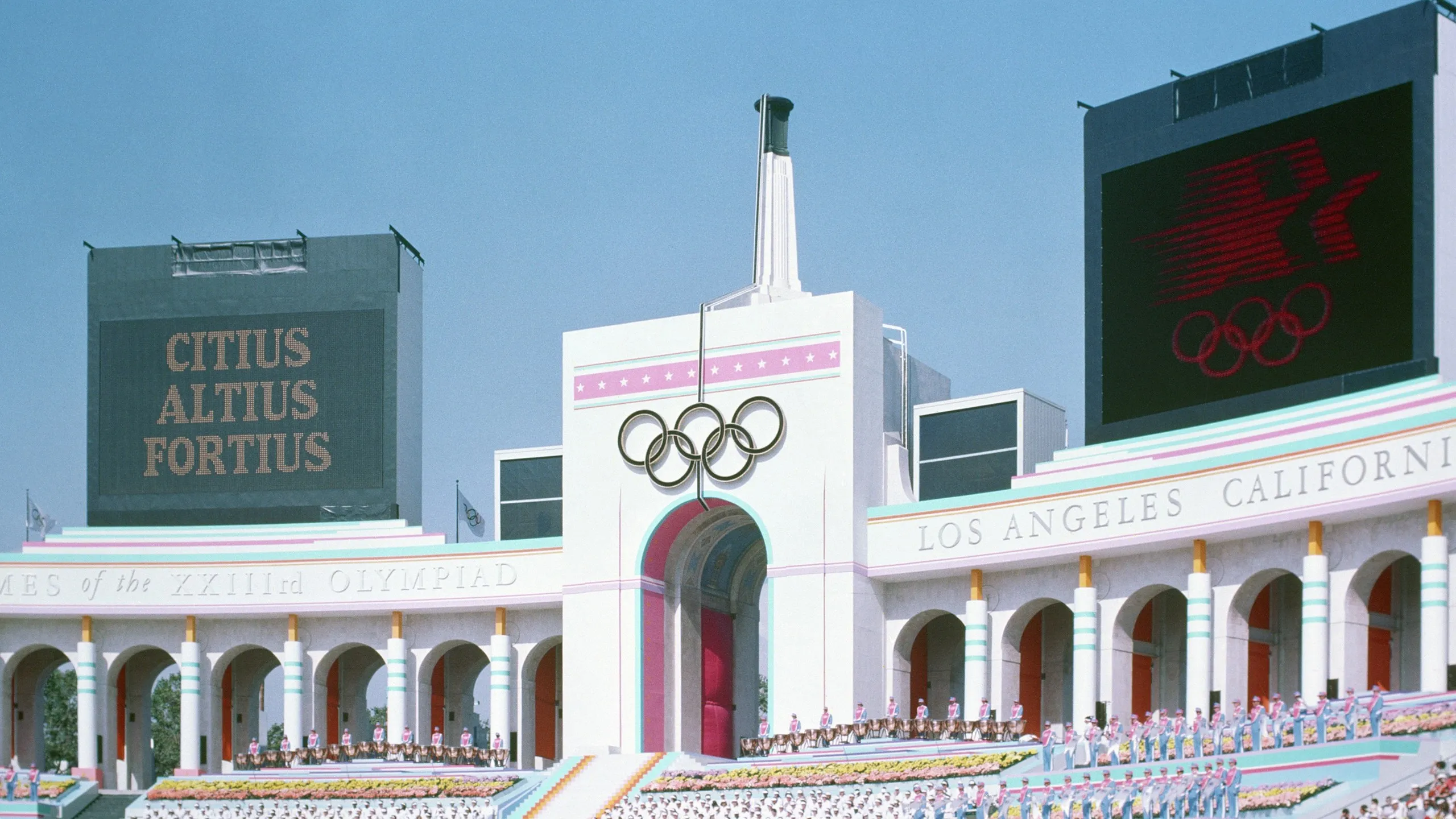
The athletics programme in Los Angeles will run from 15 to 30 July 2028 at the Coliseum. Every missed season means ranking points not earned and a lost chance to qualify.
In 1984 the Coliseum already saw finals without Soviet runners. Back then it was their own government that kept them away. Now the decision rests with World Athletics, and it still has time to change its mind.